The Iran war intensifies with attacks on commercial ships, rising casualties, and growing pressure on global energy markets as the Strait of Hormuz becomes a critical flashpoint.
The conflict involving Iran has entered a new phase marked by continued military strikes, attacks on commercial vessels, and mounting regional instability. As the war stretches into its second week, the humanitarian toll continues to rise while global markets respond to disruptions affecting one of the world’s most critical energy corridors.
Authorities across the region have reported escalating hostilities involving missiles, drones, and naval operations, increasing fears that the conflict could expand further across the Middle East. Civilian casualties, damaged infrastructure, and displaced populations highlight the growing humanitarian impact as governments and military forces intensify their operations.
At the same time, international shipping routes have come under heightened threat, particularly near the Strait of Hormuz, a narrow waterway through which a significant portion of global oil shipments pass each day.
Commercial ships struck near key shipping corridor
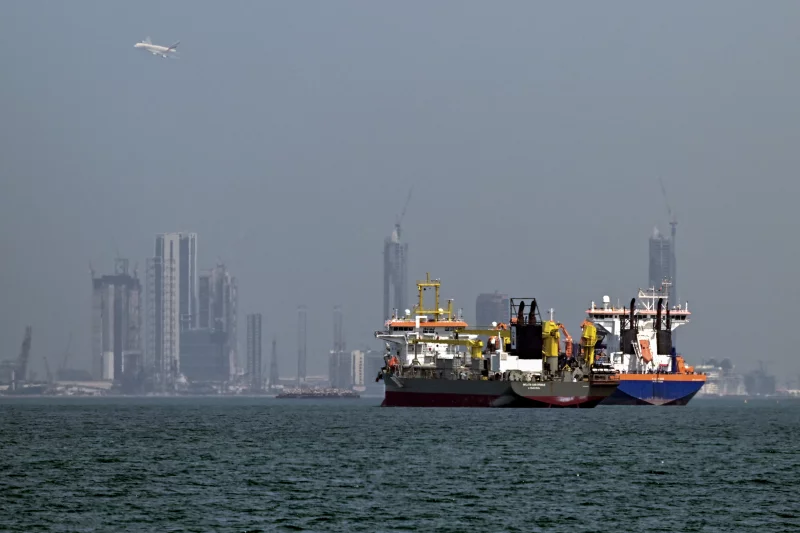
Several commercial vessels have been hit or damaged in waters near the Strait of Hormuz as tensions in the region intensify. The attacks have raised alarm among shipping companies and maritime security agencies monitoring one of the world’s most strategically important sea lanes.
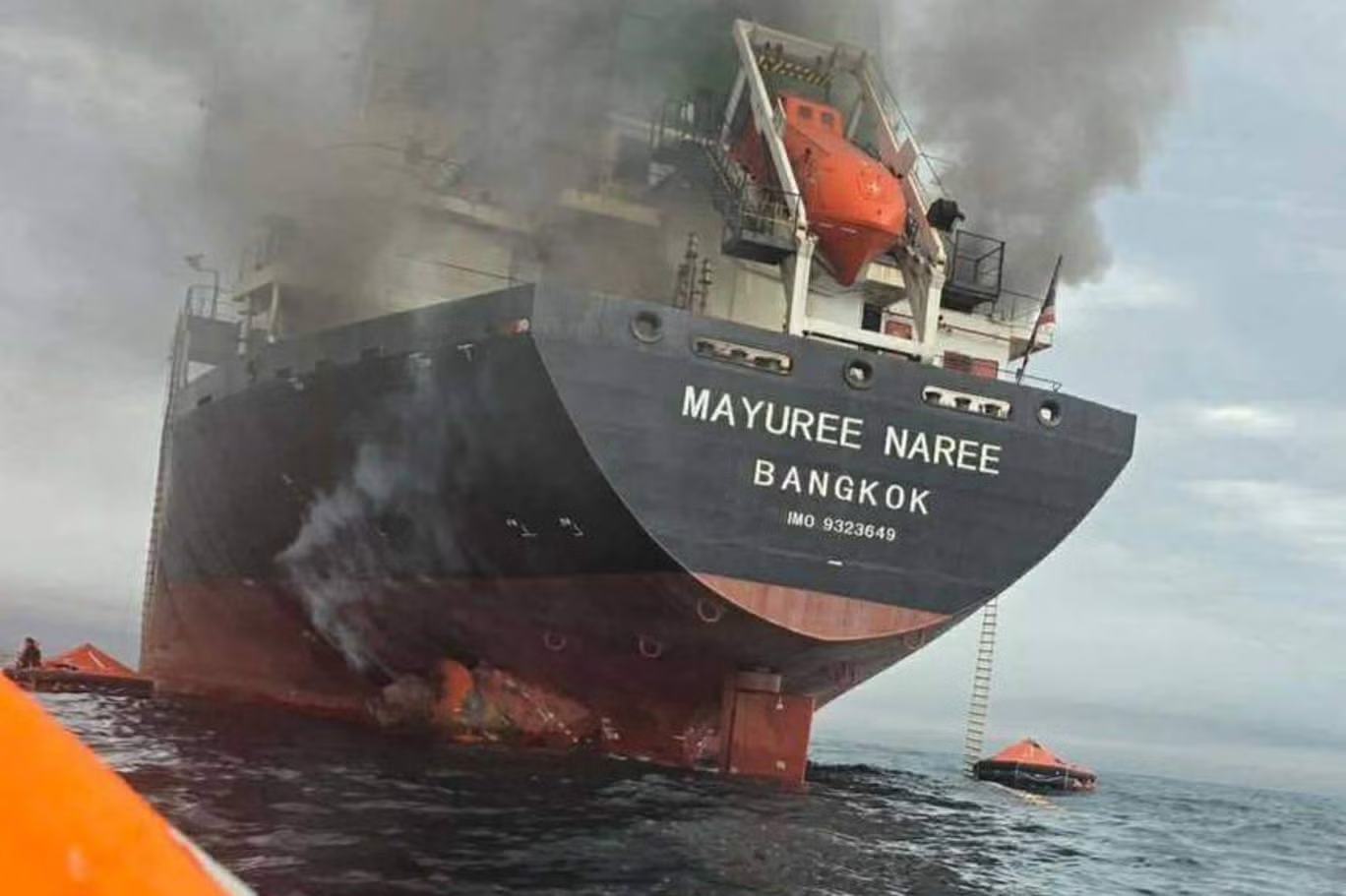
According to maritime monitoring systems operated by UK Maritime Trade Operations, multiple vessels reported incidents while navigating the Persian Gulf and surrounding waters. Among them was a Thai-flagged bulk carrier that sustained heavy damage after being struck while sailing near the narrow passage connecting the Persian Gulf to the Gulf of Oman.
Other ships flying Japanese and Marshall Islands flags were also affected by projectiles that damaged hull structures or cargo sections while anchored or traveling in nearby waters. Fires and structural damage forced some crews to request emergency assistance as maritime authorities tracked the incidents.
The Strait of Hormuz remains a crucial global shipping channel. Data from the U.S. Energy Information Administration shows that roughly one-fifth of the world’s oil supply moves through this route each day, making any disruption to tanker traffic a significant concern for global energy markets.
Iranian naval officials have warned that ships attempting to cross the strait may face additional risks if they do not comply with new security directives issued during the conflict.
Military operations intensify across the region
The conflict has triggered a series of military operations involving multiple countries and armed groups across the Middle East. Missile launches, drone strikes, and air operations have been reported in several countries neighboring Iran.
Regional defense authorities have intercepted drones and ballistic missiles aimed at military installations and infrastructure. Saudi Arabia confirmed that its air defense systems destroyed several incoming missiles near Prince Sultan Air Base, a location that hosts foreign military personnel.
Meanwhile, U.S. forces conducted operations targeting vessels suspected of laying naval mines near the Strait of Hormuz. According to military statements released through the Departamento de Defensa de EE. UU., several mine-laying boats were destroyed during the operation to prevent further disruption to maritime traffic.
The strikes followed warnings that naval mines could threaten shipping routes and further destabilize the region’s already fragile energy supply chain.
Separately, Israel reported additional strikes targeting Hezbollah infrastructure in Lebanon, including command centers and weapons storage sites in Beirut’s southern suburbs and in areas near the city of Tyre. Israeli military officials also said they intercepted a drone launch team in western Iran shortly before drones were scheduled to be launched toward Israeli territory.
Humanitarian toll and displacement grow
The war has produced a growing humanitarian crisis across several countries in the region. Health authorities in Iran, Lebanon, and Israel report that more than 1,700 people have been killed since the conflict began, with thousands more injured.
Military personnel have also been affected. Reports indicate that several U.S. service members died and others were seriously wounded during attacks on bases located in countries bordering Iran.
In Lebanon, the scale of displacement has expanded dramatically as airstrikes and evacuation warnings push civilians away from areas near active fighting. Government figures indicate that more than 750,000 people have fled their homes, many seeking temporary shelter in schools, stadiums, and improvised camps.
Humanitarian agencies working with the United Nations High Commissioner for Refugees warn that shelters and emergency services are struggling to cope with the rapidly increasing number of displaced people. Access to clean water, sanitation facilities, and medical care has become a pressing challenge in overcrowded locations where families have gathered after fleeing bombardments.
Temporary camps have appeared in multiple locations around Beirut and southern Lebanon, where thousands of civilians now live in tents with limited resources as the conflict continues to reshape the region’s security and humanitarian landscape.