As tensions escalate in the ongoing conflict involving Iran, political analysts are increasingly focused on the potential domestic consequences for Donald Trump. While the president has projected confidence about the outcome, the uncertain duration of the conflict raises questions about how sustained military engagement could influence public opinion and electoral dynamics in the United States.
Historically, prolonged wars have often reshaped presidencies, sometimes with lasting political consequences. With no clear resolution in sight, the trajectory of the Iran conflict could follow a familiar pattern seen in past US military engagements.
Historical Precedents and Political Fallout
The relationship between extended military conflicts and presidential approval has been well documented. During the Korean War, Harry Truman saw his popularity decline as the war dragged on without a decisive victory. Similarly, the Vietnam War had a profound political impact on Lyndon B. Johnson, ultimately influencing his decision not to seek reelection.
Decades later, the Iraq War significantly affected the presidency of George W. Bush. Initial public support gave way to growing skepticism as the conflict extended beyond initial expectations and costs mounted.
These examples illustrate a consistent trend: when military engagements become prolonged and outcomes remain uncertain, public support often erodes, and political risks increase.
Public Opinion and War Fatigue
In recent years, American public sentiment has shifted toward caution regarding overseas military interventions. After two decades of conflict in Iraq and Afghanistan, many voters express reluctance to support open-ended military commitments.
Polling trends consistently show that while foreign policy is not always a top voting issue, it can quickly become central when conflicts intensify or casualties rise. Resources such as <a href="/es/”https://www.pewresearch.org/”/">Pew Research Center</a> highlight how public opinion can shift rapidly in response to developments on the ground.
Additionally, analysis from institutions like the <a href="/es/”https://www.brookings.edu/”/">Brookings Institution</a> suggests that political divisions within the United States can amplify the impact of foreign policy decisions. Even within a president’s political base, prolonged wars can lead to fractures, particularly if the conflict lacks clear objectives or measurable success.
Coverage and policy tracking from the <a href="/es/”https://www.cfr.org/”/">Council on Foreign Relations</a> further emphasize the complexity of modern conflicts, where geopolitical stakes intersect with domestic political considerations.
Strategic Uncertainty and Electoral Implications
One of the defining challenges of the current situation is the lack of a clearly defined endpoint. Unlike short, decisive military actions that can generate a temporary “rally around the flag” effect, extended conflicts tend to produce uncertainty and skepticism.
Economic factors can also play a role. Military engagements often involve significant federal spending, which can influence broader fiscal debates. Data and policy insights from the <a href="/es/”https://www.cbo.gov/”/">Congressional Budget Office</a> illustrate how sustained defense expenditures can shape national priorities and political narratives.
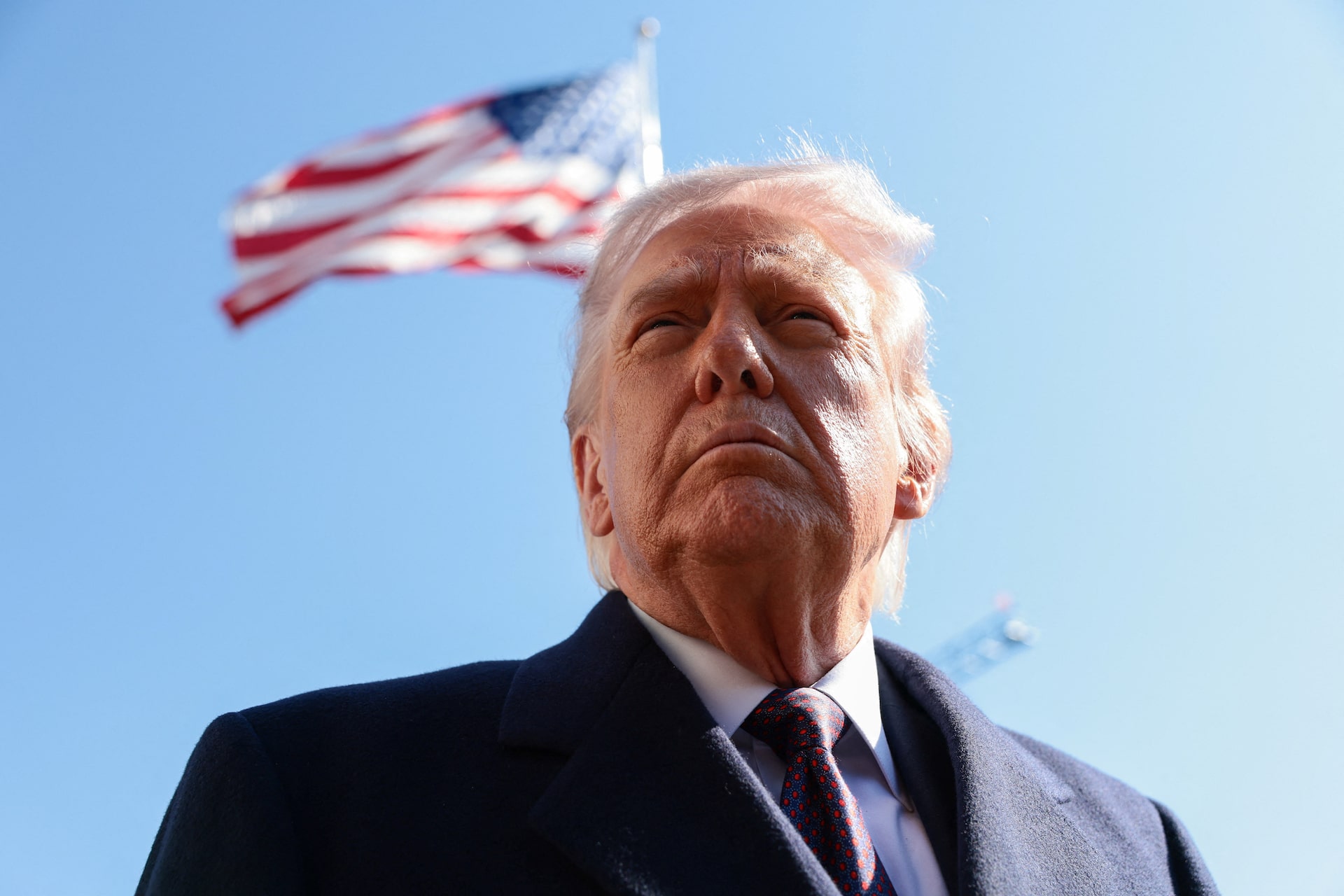
For Trump, the political implications of the Iran conflict will likely depend on how the situation evolves. A swift resolution could reinforce perceptions of strong leadership, while a prolonged and costly engagement may increase scrutiny from both supporters and critics.
As history has shown, wars rarely remain confined to the battlefield. Their outcomes often reverberate through public opinion, economic policy, and electoral politics—making the duration and direction of the Iran conflict a critical factor in shaping the broader political landscape in the United States.