The conflict involving Iran is sending shockwaves through the global aviation industry, forcing airlines to cancel flights, adjust routes, and prepare for rising fuel costs that could affect ticket prices worldwide. While the most immediate disruptions have occurred in the Middle East, the ripple effects are being felt across international travel markets.
Travel experts say the situation is already influencing booking strategies as airlines navigate operational challenges and fuel price volatility. Many travelers who were planning spring or summer trips are now questioning whether they should purchase tickets immediately or wait for prices to stabilize.
Industry analysts generally recommend booking sooner rather than later, especially for international trips, because uncertainty surrounding fuel prices and airspace restrictions could push fares higher in the coming weeks.
Flight cancellations and airspace disruptions
The conflict triggered a wave of flight cancellations across major Middle Eastern aviation hubs. According to aviation data from Cirium, more than 46,000 flights were canceled between late February and mid-March as airlines responded to safety concerns and restricted airspace.
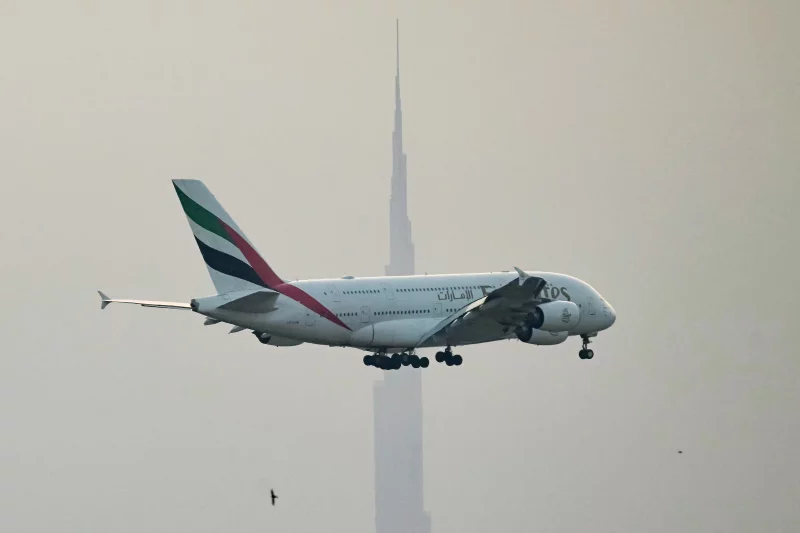
Major transit hubs such as Dubai, Doha, and Abu Dhabi play a central role in connecting flights between Europe, Asia, and Africa. When routes through these airports are disrupted, airlines must reroute aircraft, delay schedules, or suspend flights altogether.
Dubai International Airport, widely recognized as the world’s busiest hub for international passengers according to Airports Council International, has experienced operational pressure as airlines adjust schedules to avoid areas affected by the conflict.
Beyond cancellations, some airlines have altered long-distance flight paths to bypass sensitive airspace. These detours increase flight times and fuel consumption, adding additional costs for carriers already facing volatile energy prices.
For travelers, these changes can result in longer journeys, unexpected layovers, or last-minute schedule modifications.
Rising fuel costs push airlines to adjust fares
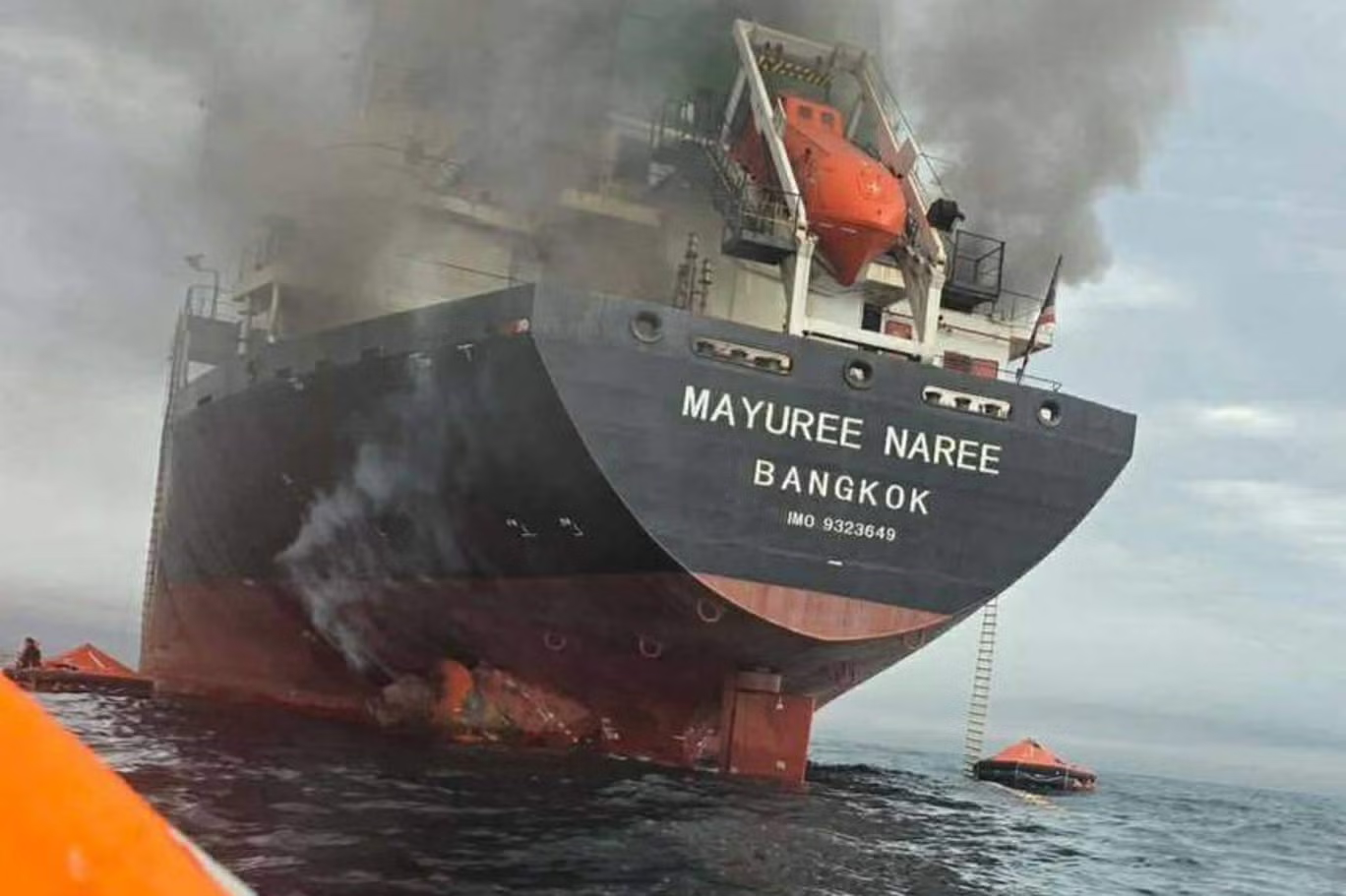
One of the most significant consequences of the conflict has been the rapid increase in jet fuel prices. Energy markets reacted quickly when tanker traffic through the Strait of Hormuz slowed dramatically after regional tensions escalated.
The strategic waterway handles a substantial share of global oil shipments. According to data from the U.S. Energy Information Administration, roughly 20% of the world’s oil supply passes through the strait, making it one of the most critical energy corridors in the global economy.
Jet fuel prices have climbed sharply since the conflict began. Earlier in the year, a gallon of jet fuel cost about $2.11. Within weeks of the escalation, prices rose to roughly $3.40 per gallon, representing an increase of more than 60%.
This surge reflects concerns about supply interruptions and the broader rise in crude oil prices that feed into aviation fuel costs. At one point during the early days of the conflict, jet fuel prices approached $4 per gallon.
Airlines typically account for fuel as one of their largest operating expenses, so even small increases can significantly affect profitability. When prices spike rapidly, carriers often respond by adjusting ticket prices or adding fuel surcharges to offset the additional cost.
Some airlines incorporate these increases directly into standard fares, while others apply specific surcharges that fluctuate with fuel costs.
Advice for travelers booking flights now
Despite the uncertainty, travel experts suggest that passengers planning trips should still consider booking flights in advance rather than waiting for prices to drop. If fuel costs remain elevated, ticket prices could rise across both domestic and international routes.
Travelers are encouraged to avoid the most restrictive fare categories when booking tickets. Basic economy fares often come with strict limitations on changes or cancellations, which could create problems if flight schedules shift or prices later decline.
Instead, flexible economy tickets offer the ability to modify travel plans if airlines adjust routes or if fares change. This flexibility allows travelers to rebook flights and potentially take advantage of lower prices later.
Another strategy involves using airline loyalty points or miles for reservations. In many cases, reward bookings can be canceled or modified with minimal penalties, allowing travelers to adjust plans as the situation evolves.
Price-tracking tools such as those available through Google Flights can also help travelers monitor fare changes and receive alerts when prices shift. These tools allow passengers to compare routes, track airline pricing trends, and evaluate alternative airports if disruptions affect certain regions.
Travelers may also consider avoiding connections through airports located near conflict zones until airspace conditions stabilize. Airlines and aviation authorities continue to monitor developments closely, adjusting operations as needed to maintain passenger safety and manage the ongoing effects of geopolitical tensions on global air travel.