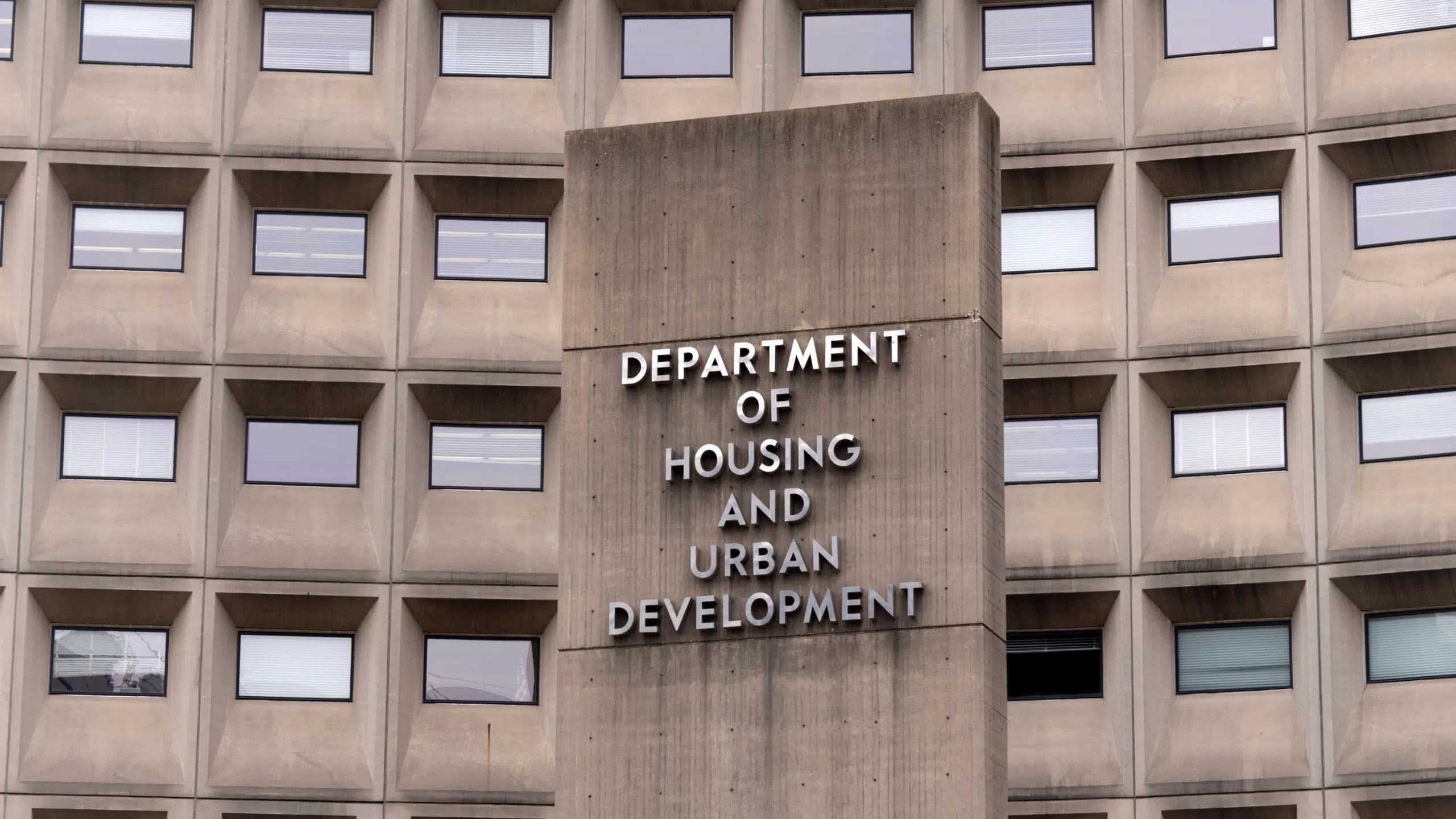
A proposed rule from the U.S. Department of Housing and Urban Development (HUD) is reigniting a national debate over immigration and public housing by targeting so-called mixed-status families—households where some members are citizens or legal residents and others are undocumented. The policy would prohibit any family with an undocumented member from living in federally subsidized housing and require local authorities to report ineligible tenants to immigration agencies, a shift that could reshape housing stability for thousands across the country.
The proposal, framed by supporters as a fairness measure amid limited federal housing resources, would represent a significant policy shift from longstanding practice. While undocumented immigrants are already barred from receiving federal rental assistance, many live in households with eligible relatives who receive subsidies. If finalized, the rule could force families to choose between separation, eviction, or relocation, creating ripple effects in housing markets already strained by affordability challenges.
Mixed-Status Families at the Center of the Debate
Under current federal housing policy, families are eligible for assistance based on the status of qualifying members, even if some individuals are undocumented. That framework has allowed households with U.S.-born children or lawful permanent residents to access housing programs administered through public housing authorities. The proposed rule would dismantle that structure, disqualifying entire households based on the presence of any undocumented member.
Supporters argue that federal housing assistance is limited and should prioritize citizens and legal residents. Waiting lists for subsidized housing are often years long, and eligibility far exceeds available units or vouchers. Critics, however, say the rule would disproportionately impact U.S. citizen children and long-term residents who have built lives in the United States but lack full legal status.
Housing policy analysts warn that the rule’s scope could extend beyond major urban centers. While cities with large immigrant populations—such as Los Angeles, New York, and Houston—would likely see the largest immediate impact, suburban and smaller metropolitan housing authorities also administer federal programs that serve mixed-status households.
For more information about federal housing programs, readers can review official details at the U.S. Department of Housing and Urban Development website: https://www.hud.gov
Potential Evictions and Family Separation Risks
Policy analysts estimate the proposal could affect tens of thousands of residents, including a significant number of U.S. citizen children. If enforced strictly, families unable to remove undocumented members from leases could face eviction or be forced into overcrowded living arrangements with relatives. Housing advocates warn that such disruptions could increase homelessness and strain local shelters already operating at capacity.
Legal experts say the rule could also trigger a wave of court challenges. Federal housing law has historically emphasized preventing displacement and ensuring stability for vulnerable populations. A policy that disqualifies entire families could be contested under administrative law, fair housing statutes, or constitutional claims tied to family unity and due process.
In addition to eviction risks, the reporting requirement would introduce a new layer of fear among residents. Local housing authorities would be required to share information about ineligible tenants with federal immigration agencies, potentially discouraging eligible families from applying for aid. Advocacy organizations say this could reduce participation in programs meant to stabilize low-income households and worsen housing insecurity.
To understand how federal housing assistance works and eligibility criteria, readers can explore resources from the Urban Institute: https://www.urban.org
Economic and Policy Implications for Public Housing
Another point of contention is the financial impact on public housing systems. Advocates for immigrant households note that mixed-status families often pay higher rents because undocumented members are excluded from subsidy calculations. In effect, these households contribute more out-of-pocket while still occupying regulated units. Removing them could reduce rental income for housing authorities and create administrative costs tied to enforcement and tenant turnover.
Local governments may also face downstream consequences. Displacement of families from subsidized housing could increase reliance on emergency services, temporary shelters, and local rental assistance programs. Cities already grappling with affordability crises could see added fiscal pressure if federal support shrinks while housing demand grows.
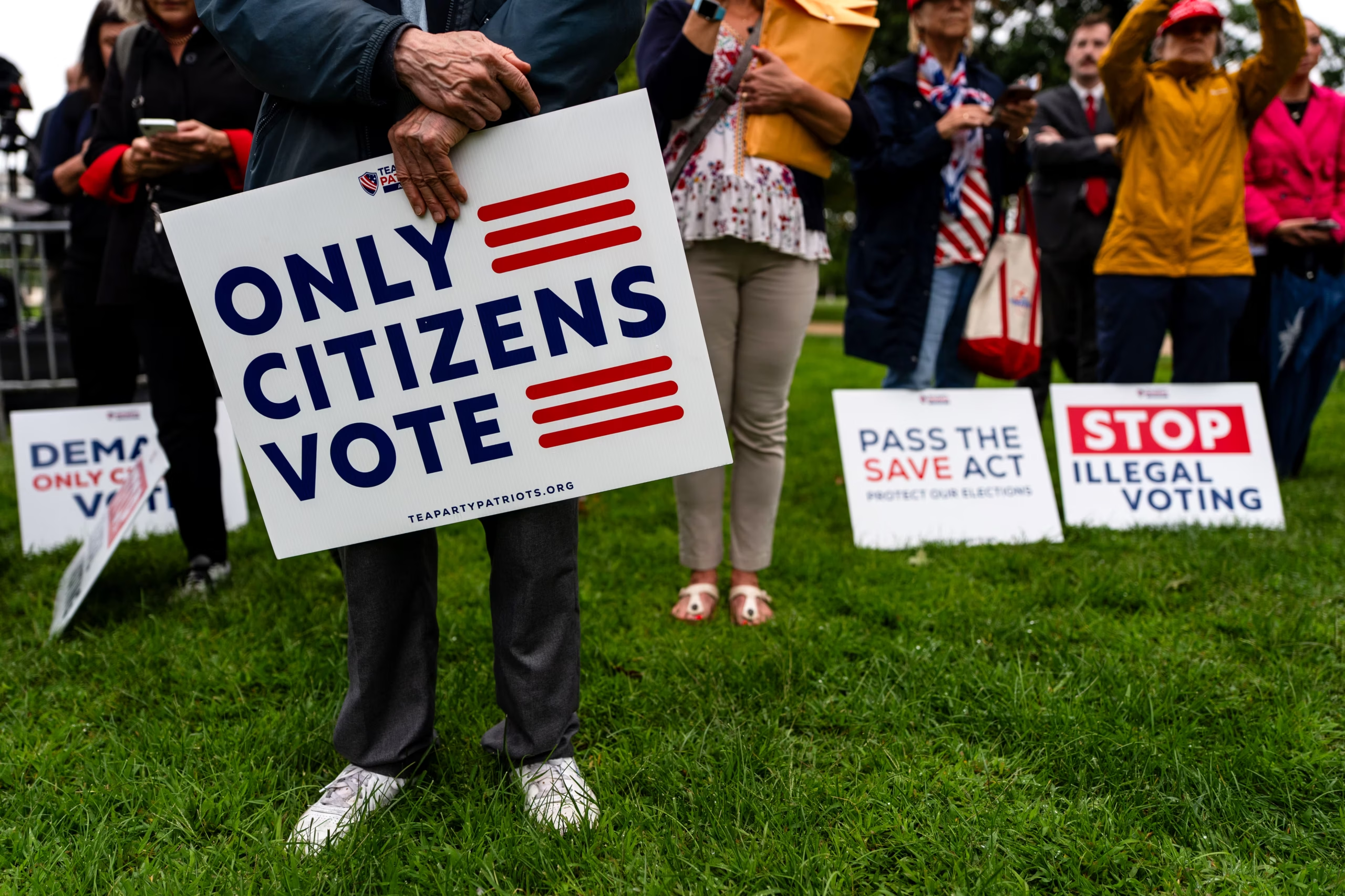
From a broader policy perspective, the rule aligns with calls from conservative policy groups to prioritize citizens in federal benefit programs. Supporters frame the proposal as a realignment of public resources toward taxpayers and individuals waiting for assistance. Critics counter that the measure conflates immigration enforcement with housing policy and risks destabilizing families who are otherwise legally residing in assisted housing.
Readers interested in broader housing affordability trends can review national data from the Joint Center for Housing Studies of Harvard University: https://www.jchs.harvard.edu
Public Comment Period and Next Steps
Before any rule becomes final, federal agencies must undergo a public comment period. During this stage, individuals, advocacy groups, housing authorities, and policy organizations can submit feedback that agencies must review before issuing a final regulation. Similar proposals in the past generated tens of thousands of responses, many expressing concern over displacement and family separation.
Legal scholars say the volume and substance of public comments could influence both the final wording of the rule and future litigation. Courts often consider whether agencies adequately addressed stakeholder concerns when evaluating regulatory challenges.
If finalized, implementation would likely take months and involve detailed guidance to local housing authorities on verification procedures, reporting requirements, and tenant notifications. Housing administrators warn that operational complexity could be significant, especially for agencies managing large portfolios of public housing units and vouchers.
For updates on federal rulemaking processes and public participation, readers can consult the Federal Register: https://www.federalregister.gov
As debate intensifies, the proposed HUD immigration housing rule highlights the intersection of housing policy, immigration enforcement, and social stability. The outcome could shape not only access to subsidized housing but also the broader conversation about who benefits from federal programs and how housing systems balance limited resources with evolving demographic realities.