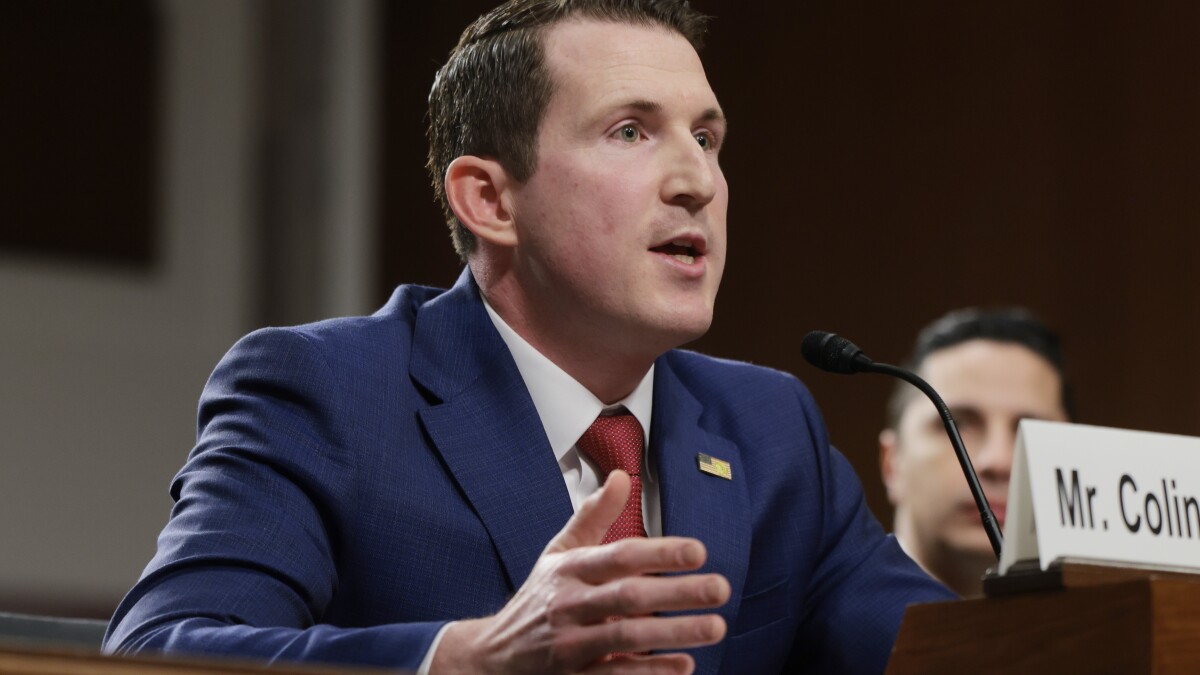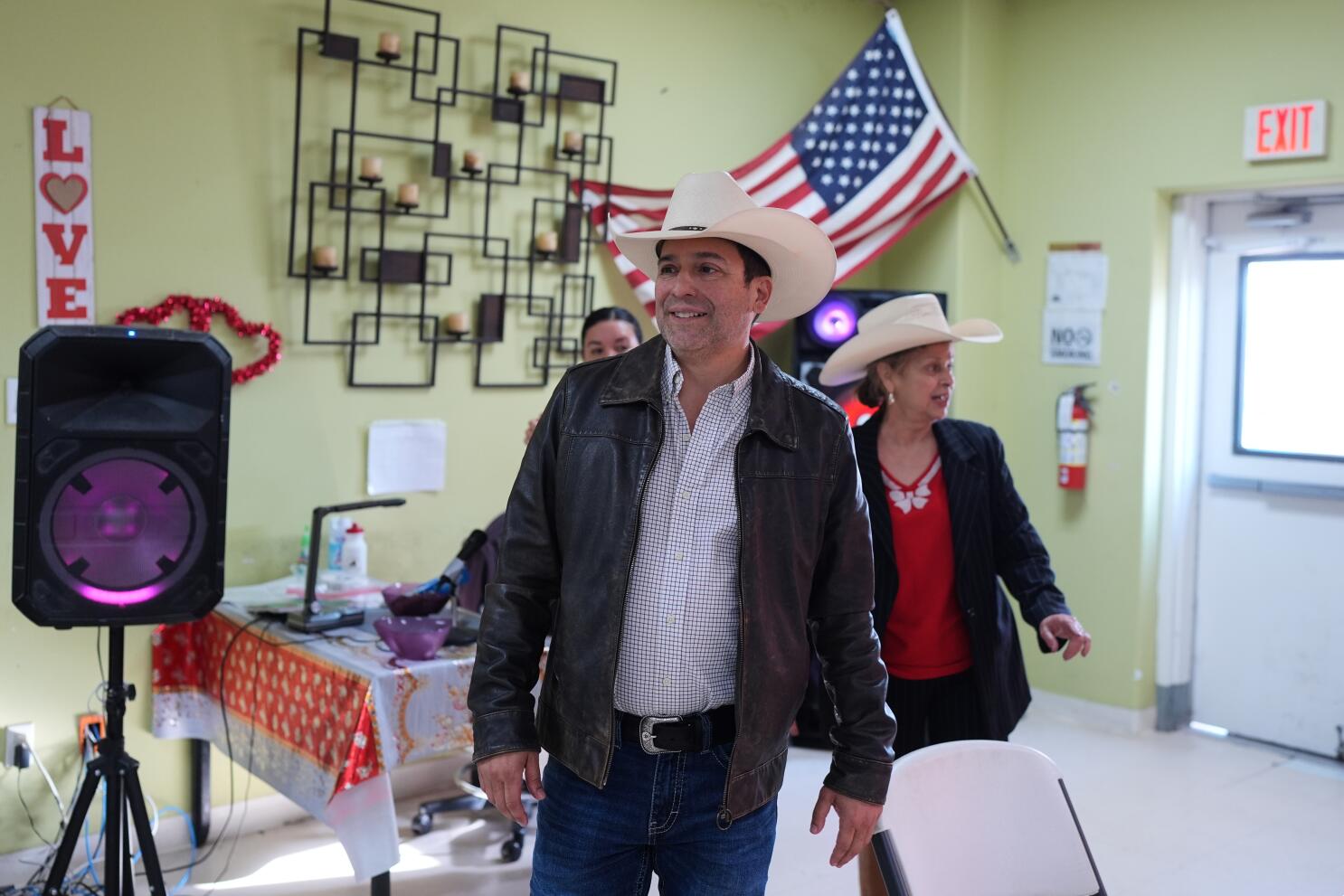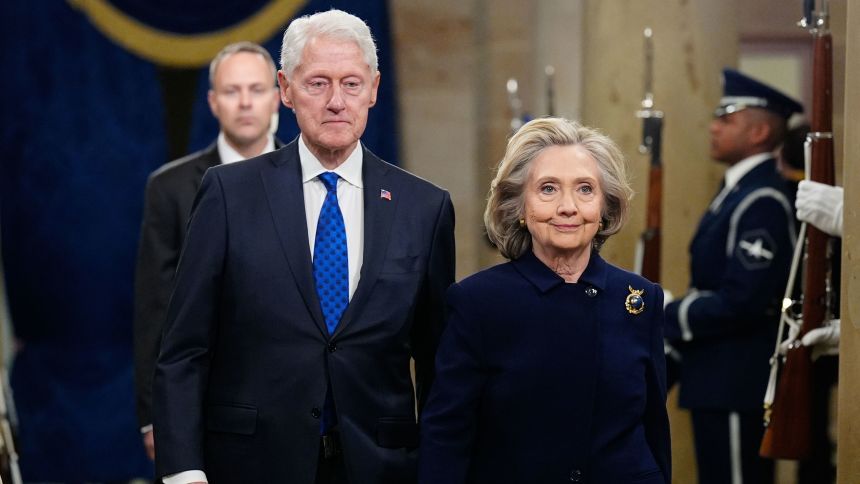
The House Oversight Committee voted Wednesday to hold former President Bill Clinton and former Secretary of State Hillary Clinton in criminal contempt of Congress, escalating a politically charged investigation into Jeffrey Epstein’s network and reigniting a fierce debate over congressional authority and executive accountability. The Republican-led panel argued that both Clintons defied legally issued subpoenas by refusing to appear for closed-door depositions, despite multiple scheduling accommodations and offers to coordinate alternative testimony formats.
Committee Chairman James Comer of Kentucky defended the action as a necessary step to uphold the rule of law and the integrity of congressional investigations. He cited prior statements from Democratic lawmakers asserting that no individual is above legal scrutiny, arguing that the same standard must apply regardless of political affiliation or former office. Comer emphasized that the committee acted in good faith and that the refusal to appear amounted to obstruction, rather than a procedural disagreement.
The Clintons’ legal team has maintained that the subpoenas were invalid and overly broad, asserting that they had already provided the committee with all relevant information in their possession. Their representatives also pointed to written submissions and alternative offers to cooperate, contending that a closed-door deposition under the committee’s current terms was unnecessary and politically motivated. Despite these objections, the committee’s majority moved forward, underscoring the widening gulf between the two parties over the scope and intent of the Epstein inquiry.
Partisan Divisions and the Oversight Committee Vote
The vote reflected deep partisan fractures within the House Oversight Committee. Lawmakers approved contempt referrals for Bill Clinton by a 34-8 margin, with two members voting present. Nine Democrats joined Republicans in advancing that measure, signaling internal tensions within the party about whether transparency in the Epstein case should outweigh concerns about setting a precedent for what some view as politically driven subpoenas. Three Democrats voted to hold Hillary Clinton in contempt, further illustrating the divided response.
Democratic members who opposed the action argued that the committee’s focus on the Clintons amounted to selective enforcement. They pointed out that other high-profile figures, including former attorneys general, had previously declined in-person testimony without facing contempt charges. Representative Robert Garcia of California, the top Democrat on the panel, criticized what he described as an obsessive fixation on a single set of subpoenas while broader aspects of the Epstein investigation remained unresolved.
Garcia also noted that the Clintons had turned over documents and offered to testify under different conditions, urging Republicans to negotiate a mutually acceptable interview format rather than pursue punitive measures. He argued that meaningful oversight requires cooperation and consistency, not what he characterized as political score settling. Republicans countered that prior witnesses avoided contempt only because they submitted substantive written testimony and demonstrated a willingness to engage, which they said the Clintons failed to do adequately.
The Epstein Investigation and Broader Accountability Questions
At the heart of the dispute is the committee’s investigation into Jeffrey Epstein’s associates and potential institutional failures that allowed his crimes to persist. Lawmakers from both parties have publicly expressed a desire to uncover the full scope of Epstein’s network, including the role of influential figures who may have had contact with him. Republicans have accused the Department of Justice of withholding key files related to Epstein’s activities, arguing that transparency is essential for restoring public trust.
Democrats, meanwhile, have questioned whether the committee is pursuing a serious inquiry or leveraging the Epstein case to target political adversaries. Representative Maxwell Frost of Florida said that while he supports hearing from former President Clinton, the panel has not demonstrated a comprehensive investigative strategy. He pointed to the lack of progress in compelling the release of federal records and coordinating with other agencies as evidence of a fragmented approach.
Comer pushed back against those criticisms, citing upcoming steps to broaden the inquiry. He announced plans for a virtual interview with Ghislaine Maxwell, Epstein’s longtime associate, who is serving a federal prison sentence after her conviction for sex trafficking of a minor and conspiracy. He also highlighted forthcoming testimony from Attorney General Pam Bondi before the House Judiciary Committee, framing these developments as proof that Republicans are pursuing multiple investigative avenues.
The committee’s work is being conducted under the authority of the U.S. House of Representatives, whose oversight powers are detailed at https://www.house.gov, and through its specialized investigative arm, the Oversight Committee, accessible at https://oversight.house.gov. Legal implications of contempt referrals ultimately fall under the jurisdiction of the Department of Justice, which evaluates such cases for potential prosecution at https://www.justice.gov.
Contempt of Congress and What Comes Next
Contempt of Congress is an uncommon but consequential enforcement mechanism. If the full House approves the committee’s referrals, the matter will be forwarded to the Justice Department, which will determine whether to pursue criminal charges. Historically, such cases have carried serious consequences, including prison sentences for individuals who failed to comply with congressional subpoenas in high-profile investigations.
Supporters of the committee’s action argue that enforcing subpoenas is essential to preserving the constitutional balance between the legislative and executive branches. They contend that allowing prominent figures to disregard lawful demands would weaken Congress’s ability to conduct meaningful oversight and set a dangerous precedent for future inquiries.
Critics, however, warn that the move risks further politicizing congressional investigations and undermining bipartisan cooperation. They argue that contempt referrals should be a last resort, reserved for clear cases of noncooperation, rather than disputes over the format and scope of testimony. The debate has also reignited broader questions about how Congress should handle investigations involving former presidents and cabinet officials, particularly when those inquiries intersect with unresolved criminal cases and sensitive personal histories.
As the issue advances to the full House, lawmakers face a high-stakes decision that could shape the future of congressional oversight. The outcome will not only determine whether the Clintons face potential legal consequences but also signal how aggressively Congress intends to assert its investigative authority in politically fraught मामलों. Advocacy groups and watchdog organizations monitoring government accountability, including those focused on justice for victims of sexual exploitation such as https://www.ncmec.org, are closely watching how the process unfolds, underscoring the broader societal implications of the committee’s actions.