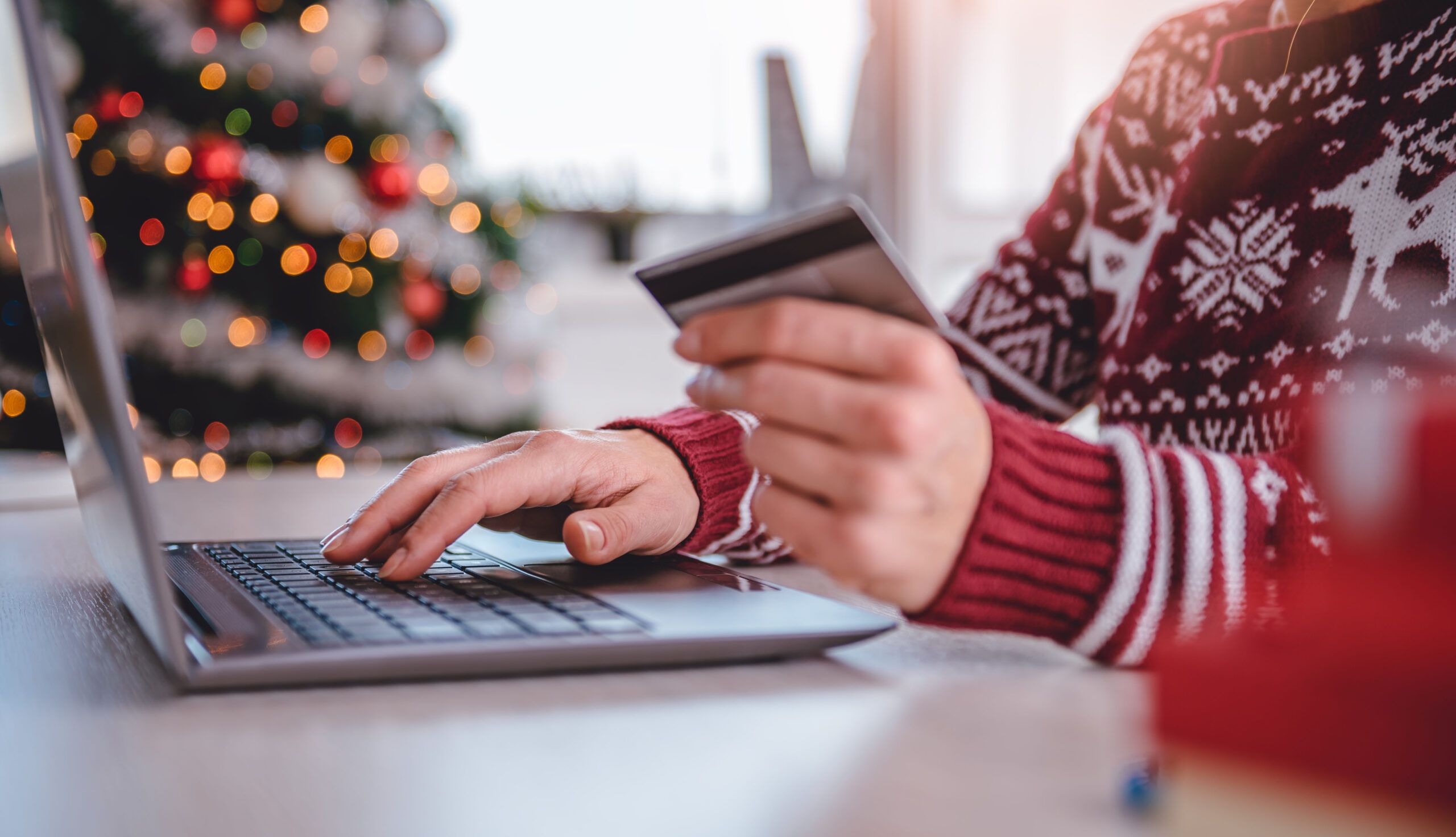
The holiday season has become one of the most profitable periods not only for retailers, but also for fraudsters. They exploit rushed decisions, digital shopping habits, and travel-related stress. As Americans spend billions of dollars on gifts, transportation, and seasonal experiences, scammers are adapting their tactics. These tactics blend seamlessly into everyday transactions now. The combination of social media advertising, mobile payments, and online booking platforms has created new entry points for fraud. These entry points are difficult to detect in the moment.
Consumers are increasingly targeted across multiple channels at once. A shopper might see a discounted brand-name item promoted through a social media ad. Then, they might receive a delivery notification text minutes later. They might be prompted afterward to resolve a supposed issue by entering personal or payment information. These overlapping tactics are designed to reduce skepticism and accelerate impulsive decisions. This is especially true when shoppers are trying to secure limited-time deals or last-minute gifts.
Fake Online Stores and Social Media Retail Traps
One of the fastest-growing holiday fraud patterns involves fake retail storefronts that appear legitimate at first glance. These operations often use stolen logos, product images, and domain names that closely resemble well-known brands. They typically operate for a short period, collecting payments before disappearing entirely, leaving consumers without products or refunds.
Social media platforms have become a key distribution channel for these scams. Ads can be launched quickly and targeted to shoppers actively searching for gifts. Consumers who encounter unfamiliar retailers are advised to verify the seller’s reputation. They should also check payment protections before completing a purchase. Organizations such as the Federal Trade Commission provide guidance on identifying deceptive online advertising. They also offer resources for reporting fraud at https://www.ftc.gov.
Using credit cards rather than debit cards or prepaid methods can also reduce financial losses. Consumer protections and dispute mechanisms are stronger with credit cards. Understanding how online fraud evolves is critical as holiday e-commerce spending continues to climb. This spending reaches into the hundreds of billions of dollars annually.
Gift Card Fraud and the Hidden Risk at Checkout
Gift cards remain one of the most popular holiday presents. However, they have also become a prime target for scammers. Fraudsters can compromise physical gift cards before they are sold. They do this by recording card numbers and PINs, then monitoring them until funds are added. Once activated, balances can be drained almost instantly. This often occurs before the buyer realizes anything is wrong.
This type of fraud thrives on convenience and speed. Shoppers often grab cards quickly without inspecting packaging or considering how long the cards have been exposed on store racks. Digital gift cards, which are delivered electronically, reduce the risk of tampering and are increasingly recommended as a safer alternative.
Consumer advocacy groups, including AARP’s Fraud Watch Network, offer ongoing education about gift card scams. They also provide prevention strategies at https://www.aarp.org/. Awareness is especially important as gift card sales represent tens of billions of dollars in seasonal spending. This makes them a lucrative target for organized fraud schemes.
Delivery Text Scams and Phishing Messages
Fake delivery notifications have become nearly unavoidable during peak shipping seasons. Scammers exploit the expectation of frequent package arrivals. They do this by sending text messages or emails claiming there is a problem with a shipment. These messages often request personal information or direct recipients to fraudulent websites. These websites are designed to capture login credentials or payment details.
Legitimate carriers typically communicate through official accounts or established customer portals. They do not send unsolicited requests for sensitive information. Consumers can reduce risk by independently checking order statuses through retailer websites. Verified shipping company platforms like https://www.ups.com or https://www.fedex.com are preferable to clicking links in messages.
These phishing attempts are not just about missed packages. They often serve as entry points for identity theft or unauthorized financial transactions. As digital commerce expands, verifying communications before responding becomes increasingly important.
Too-Good-to-Be-True Travel Deals and Booking Scams
Holiday travel presents another opportunity for fraud, particularly as consumers search for lower-cost flights, hotels, and rental cars. Scam travel websites may advertise steep discounts that require prepayment through non-refundable methods such as gift cards or wire transfers. In many cases, travelers arrive at their destination only to discover that no reservation exists.
The safest approach is to book directly with established airlines, hotel chains, or rental agencies. Alternatively, booking through well-known platforms with customer support and dispute resolution processes is advisable. Resources like https://www.usa.gov/scams-and-fraud provide up-to-date information on travel-related fraud trends. They also offer reporting options.
As holiday travel spending reaches into the hundreds of billions of dollars, scammers continue to refine their tactics. Thus, vigilance becomes essential. Consumers who take time to verify offers, question unusual payment requests, and rely on trusted platforms can significantly reduce their exposure to seasonal fraud. In doing so, they can protect both their finances and personal information.