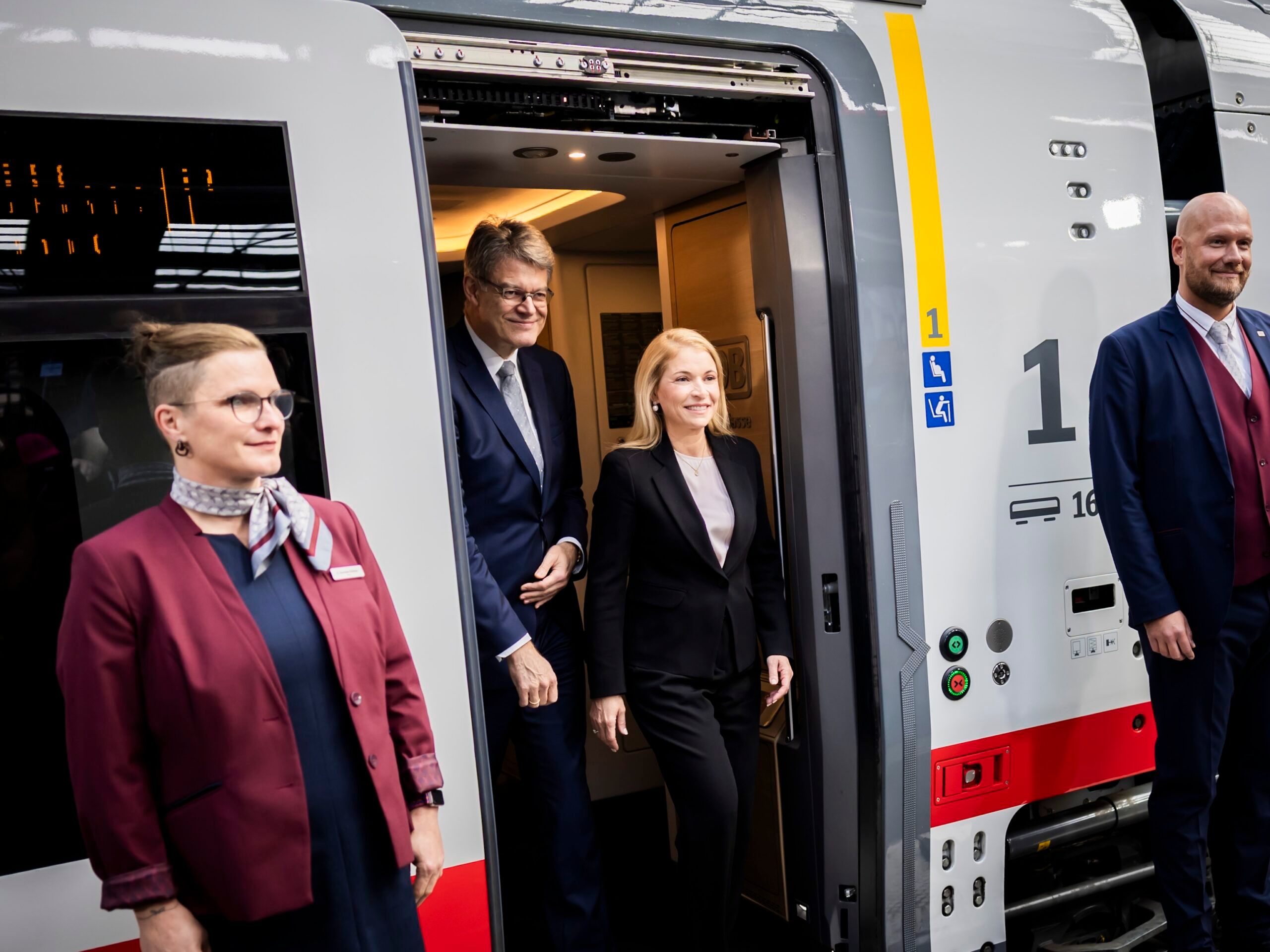
Germany’s once-admired train network is now struggling with reliability issues. These have grown steadily worse over the past two decades. Passengers increasingly lose patience as delays become the norm rather than the exception. Travelers crossing into Germany from Switzerland frequently describe the shift as moving from precision into unpredictability. This transition highlights how deeply the system has deteriorated. Many long-distance trains now arrive behind schedule. Others never depart at all, forcing passengers to navigate canceled services and high-capacity crowds throughout the journey. These disruptions have contributed to a broader national debate about the state of public infrastructure. There is an urgent need for structural reform. As part of this ongoing conversation, travelers often turn to updated mobility data available on platforms like Statista to compare European railway performance. This makes Germany’s decline increasingly difficult to ignore.
Chronic Delays Reveal Deeper Structural Weaknesses
The escalation in Germany’s train troubles is tied to an extended period of underinvestment. This created a fragile infrastructure unable to meet passenger demand. Platforms, rails, and signaling systems have aged. They contribute to repeated breakdowns that disrupt long-distance routes. In particularly busy corridors, travelers frequently encounter crowded trains operating at double capacity. This is exacerbated by last-minute cancellations, forcing entire groups of ticketed riders onto the next available service. These conditions have triggered a nationwide discussion about system reliability. There is a need for stronger planning. Analysts note that operational inefficiencies have become harder to address through short-term fixes. Public frustration is also reflected in online travel communities such as Eurail, where international passengers routinely report extensive delays. They also mention difficulty accessing essential amenities such as restrooms or functioning Wi-Fi.
Leadership Shifts and Funding Announcements Spark New Expectations
The German government has acknowledged the severity of the crisis. It has committed to a large-scale investment plan totaling approximately $108 billion. This plan aims at overhauling aging tracks, modernizing signal technology, and addressing staffing shortages across key operational roles. While this financial pledge represents one of the most significant infrastructure investments in recent German history, transportation leaders caution that the restoration process will take years. This is due to the depth of structural decline. A newly appointed CEO, recognized for successful reforms in previous railway roles, has announced an internal restructuring strategy. It will eliminate layers of upper management. Resources will be redirected toward on-the-ground operational needs. Policy analysts tracking transportation reforms on sites like Transport & Environment note that the transition will require consistent political commitment to long-term infrastructure renewal. This is a challenge that previous administrations often struggled to maintain.
Passenger Dissatisfaction Grows as Public Pressure Mounts
Despite the substantial investments and leadership changes, daily passengers continue to experience some of the system’s most acute issues. This is particularly visible on high-demand routes linking major cities such as Munich, Frankfurt, and Berlin. Overcrowded carriages, malfunctioning reservation systems, and recurring “technical problems” are frequently cited by travelers. Many express disbelief that such conditions exist in a country long associated with engineering excellence. At the same time, creative campaigns launched on platforms like TikTok and YouTube aim to ease tensions through humor. However, their impact remains limited when basic service reliability is still failing. Public frustration increasingly appears in consumer-rights reports published through resources like European Consumer Centre Germany, where complaints focus on compensation disputes, canceled journeys, and lack of real-time communication from operators. As Germany’s rail system heads into another year of uncertainty, travelers remain hopeful. Structural reforms and new leadership will eventually bring the network back on track. However, many agree that recovery will require patience, sustained investment, and an ambitious commitment to modernizing a system that has fallen far behind its European counterparts.