Israeli Prime Minister Benjamin Netanyahu stated that the second phase of the U.S.-brokered Gaza peace plan is approaching. However, he acknowledged that several unresolved points continue to delay progress. The framework crafted under President Donald Trump outlines a gradual Israeli military pullback. It also includes the establishment of a transitional governing authority for Gaza and the deployment of an international security force. This force is tasked with overseeing stability and reconstruction efforts.
The proposal also requires Hamas to relinquish its weapons as rebuilding begins. This remains one of the most contested aspects of the agreement. Netanyahu emphasized that Israel will ensure disarmament occurs, regardless of the chosen path. Furthermore, he asserted that progress must be grounded in long-term security guarantees. The situation continues to evolve even as humanitarian conditions, political divisions, and logistical challenges complicate the roadmap ahead.
Debate Over Disarmament and the Limits of International Forces
The question of whether Hamas will give up its remaining weapons lies at the center of ongoing negotiations. Recent comments by a senior Hamas official indicating the group may consider “freezing or storing” its arsenal have drawn international attention. However, these comments fall short of Israel’s demand for complete demilitarization. Netanyahu said he intends to address the matter directly with President Trump during upcoming consultations. A meeting has already been confirmed by the Israeli government for December 29.
The complexity of the disarmament process has also sparked debate over the capabilities of a potential multinational security force. Netanyahu publicly questioned whether foreign troops would be willing or able to enforce demilitarization through direct action. He noted that while some tasks can be assigned to such a force, others will remain exclusively in Israel’s hands. Broader context on regional monitoring operations can be found through analytical coverage at https://www.brookings.edu. This site provides research on international security strategies across the Middle East. Meanwhile, public discussion within Israel has intensified as military officials evaluate how disarmament procedures might unfold on the ground.
Ceasefire Tensions, Regional Diplomacy, and Unresolved Hostage Issues
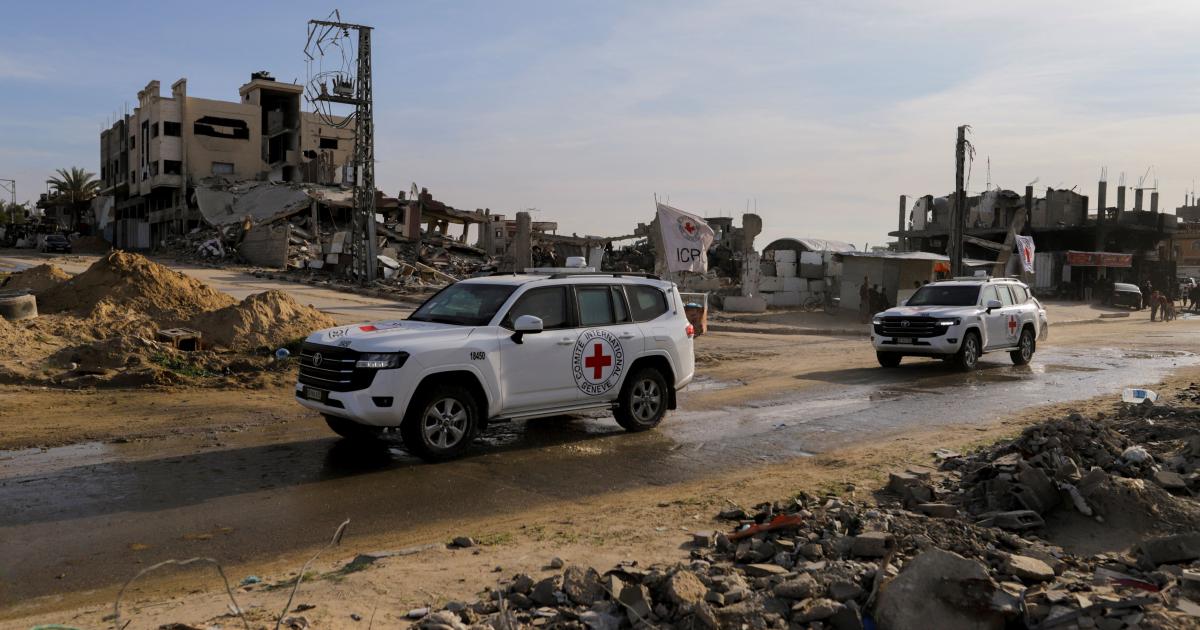
Two months into the ceasefire, accusations of violations from both sides continue to escalate. Israeli forces still control more than half of the Gaza Strip. Meanwhile, Hamas has reconstituted governance in other areas. Amid these tensions, search teams involving the Red Cross and members of Hamas’s armed wing have resumed efforts to recover the remains of Israeli police officer Sergeant Ran Gvili. His body is obligated to be returned under the initial ceasefire agreement. Netanyahu reaffirmed Israel’s commitment to retrieving the remaining deceased hostages. He insisted that every individual must be brought home without exception. Diplomatic conversations in the region remain active. Leaders such as the Qatari Prime Minister describe the current moment as critical for the plan’s advancement.
Readers exploring the geopolitical backdrop of these negotiations can find additional regional insights at https://www.aljazeera.com, which hosts extensive reporting on Gaza developments. Additionally, readers can visit https://www.hrw.org, where humanitarian impact assessments offer a deeper view into the conditions affecting civilians and aid agencies. Israel maintains that certain ceasefire obligations have not been fulfilled by Hamas, including delays in the return of deceased hostages. Hamas counters with claims that Israel has not fully reopened the Rafah crossing or eased restrictions on aid distribution.
Border Disputes, International Pressure, and the Future of Gaza Administration
The reopening of the Rafah border crossing remains another central dispute. Israel recently announced readiness to open the crossing for departures only. This position was rejected by both Egypt and Palestinian authorities. They insist that movement must operate in both directions according to prior agreements. Humanitarian organizations report a substantial increase in aid entering the strip. However, they continue to face restrictions related to security inspections and access limitations.
As negotiations proceed, the transitional authority outlined in the plan’s second phase remains undefined. There is uncertainty over whether it would include Palestinian technocrats, regional partners, or a broader international coalition. These structural questions underscore the delicate balance between political legitimacy, security enforcement, and reconstruction efforts. Broader diplomatic analysis surrounding governance arrangements in conflict zones is discussed at https://www.cfr.org. This provides additional context for the structural challenges facing Gaza’s future administration. President Trump has expressed optimism that the second phase will take shape soon. Meanwhile, regional mediators stress that momentum must not be lost. The timeline, however, remains dependent on breakthroughs surrounding disarmament, security responsibilities, and border management. These issues continue to define the next chapter of the Gaza peace initiative.