Fuel prices continue climbing as geopolitical tensions in the Middle East enter their third week, creating significant volatility in global oil markets. Military operations involving Iran, the United States, and Israel have disrupted shipping routes and damaged energy infrastructure, intensifying concerns about global supply.
Crude oil prices surged shortly after the conflict began, jumping from around $70 per barrel to nearly $120 before stabilizing closer to $100 in recent days. Even with this temporary stabilization, the ripple effects across the global energy market remain significant.
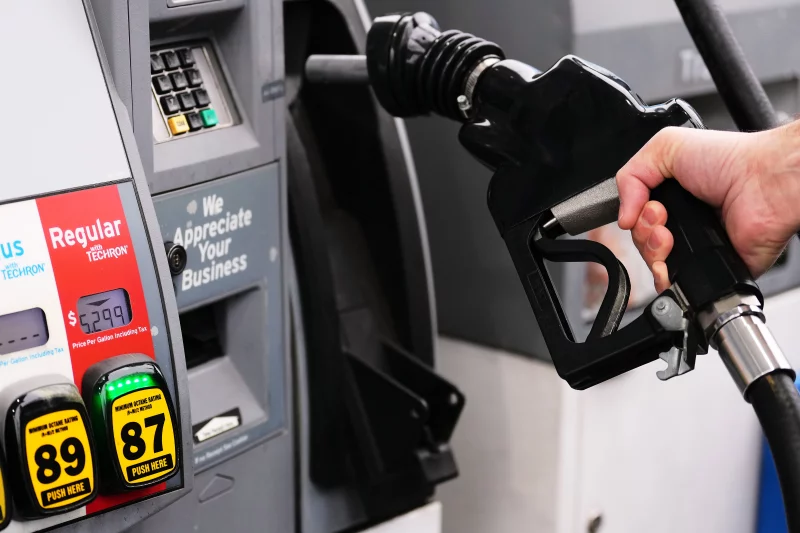
Consumers are feeling the impact directly. Average gasoline prices across the United States are now about $3.718 per gallon, according to data tracked by the American Automobile Association. That represents an increase of nearly $0.80 compared with prices recorded only a month earlier.
Diesel prices have climbed even more sharply, reaching nearly $5 per gallon. Because diesel fuel powers trucks, ships, trains, construction machinery, and agricultural equipment, higher prices often spread quickly across the entire economy.
Oil Supply Disruptions Shake Global Markets
The central factor driving the surge in fuel costs is disruption in the Strait of Hormuz, one of the world’s most strategically important shipping routes for oil exports. Normally, roughly 20 percent of global petroleum shipments move through this narrow passage connecting the Persian Gulf to international markets.
Since the conflict began, shipping activity in the area has dropped sharply amid concerns about military escalation and attacks on vessels. Reduced traffic through the waterway has created uncertainty among energy traders and forced oil companies to consider alternative transport routes.
Energy market analysts monitoring global supply through organizations such as the U.S. Energy Information Administration warn that any prolonged interruption in shipments could tighten oil availability worldwide.
The situation has been worsened by damage to energy infrastructure on both sides of the conflict. Facilities tied to oil storage, pipelines, and transportation networks have been targeted in military operations, raising concerns about how quickly full production capacity can be restored.
At the same time, seasonal demand is beginning to rise in many countries as warmer weather approaches. Refineries are transitioning to summer gasoline blends designed to reduce air pollution, a process that often increases production costs and contributes to higher prices at the pump.
Rising Diesel Costs Spread Inflation Across Industries
While rising gasoline prices directly affect drivers, the surge in diesel costs has broader economic consequences. Diesel fuel plays a critical role in global logistics and supply chains, powering vehicles and machinery used across agriculture, shipping, construction, and freight transport.
As transportation costs increase, businesses often pass those expenses along to consumers in the form of higher prices for goods and services. Economists note that fuel price increases can influence inflation across sectors ranging from food production to manufacturing.
Oil-producing nations are closely monitoring these developments. Market stability has long been a priority for groups such as the Organization of the Petroleum Exporting Countries, which historically tries to prevent crude prices from rising so high that they damage long-term demand for petroleum.
In an attempt to calm global markets, governments representing major oil-consuming nations recently coordinated the release of emergency reserves. The move included the largest-ever drawdown of strategic oil stockpiles organized through the International Energy Agency.
The release added millions of barrels of crude oil to global supply, including 172 million barrels from the United States Strategic Petroleum Reserve. Despite these efforts to ease market pressure, oil prices have continued to fluctuate as uncertainty surrounding the conflict persists.
Energy companies, investors, and governments remain focused on developments in the Strait of Hormuz and across the Middle East, where ongoing military activity continues to shape the future of global fuel markets and transportation costs.