Smartmatic’s Accusations Revive Controversy Over 2020 Election Coverage
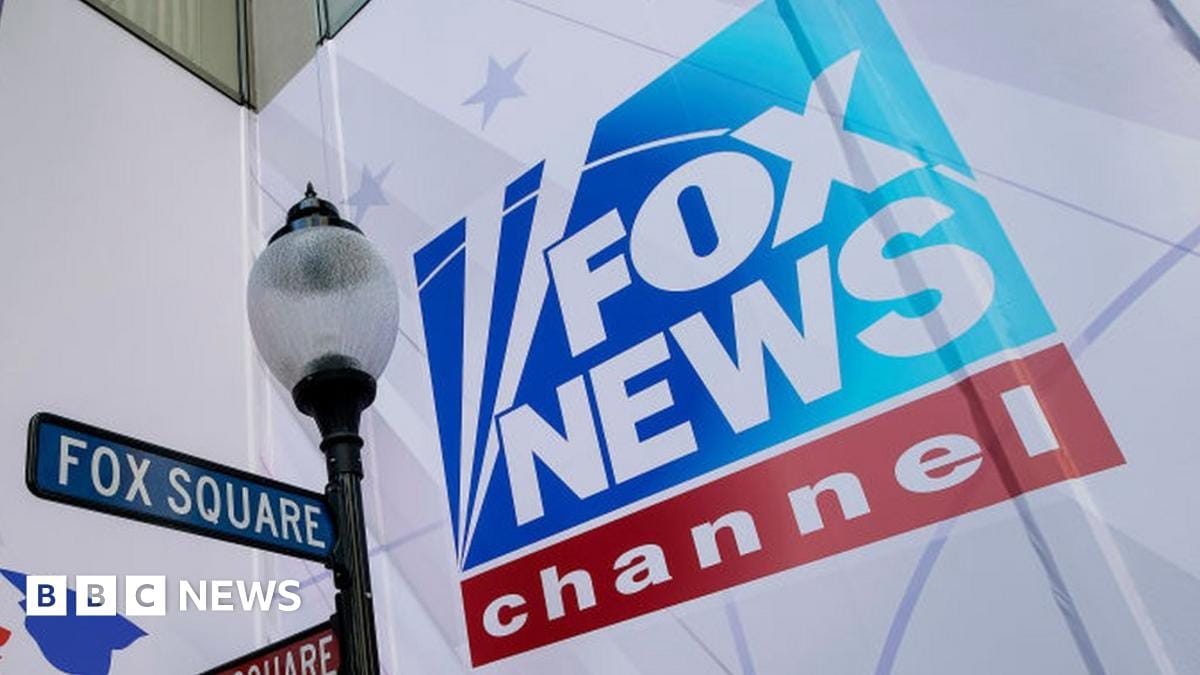
Fox News is once again under legal scrutiny as Smartmatic’s multibillion-dollar defamation lawsuit gains momentum in a New York courtroom. The voting technology company argues that the network propagated extreme and unfounded allegations claiming that its software manipulated votes during the 2020 presidential election to favor Joe Biden. These accusations resurfaced through broadcasts that featured assertions from political allies of former President Donald Trump, despite internal communications suggesting that key figures at the network did not believe the claims they aired.
Executives, high-profile hosts and individuals with editorial influence appeared to be aware that the allegations lacked evidence, yet the narratives were repeatedly promoted on-air. Smartmatic asserts that the fallout severely harmed its global business operations and reputation. The company’s leaders say the widespread circulation of such allegations triggered threats, misinformation campaigns and significant commercial setbacks, contributing to what it describes as a long-lasting impact on its market position. Readers seeking background on voting technology can find relevant context on platforms such as https://www.brennancenter.org, which tracks election administration developments in the United States.
Broader Legal Implications and Comparisons to the Dominion Case
The Smartmatic lawsuit echoes the controversy surrounding Dominion Voting Systems, which previously pursued legal action involving similar allegations connected to broadcasts about the 2020 race. Internal records revealed during the Dominion litigation showed that network talent and decision-makers aimed to reassure an audience that shifted toward more conservative alternatives following the network’s early call projecting Biden’s victory in Arizona.
Dominion’s lawsuit concluded in 2023 when the network agreed to pay $787.5 million, one of the largest known settlements involving a U.S. media organization. That resolution avoided trial testimony from several prominent figures and highlighted substantial risks that defamation cases pose for major broadcasters. While Smartmatic initiated its lawsuit earlier, the procedural pace differed because the Dominion case advanced through a faster judicial system. Additional information about defamation law and standards of proof can be reviewed through resources such as https://www.law.cornell.edu, which offers extensive legal reference materials.
Smartmatic’s case also includes multiple individuals as co-defendants, from well-known television personalities to legal advisers connected to the former president. Attorneys who frequently appeared on-air during the post-election period are expected to play a central role as the proceedings unfold. The lawsuit challenges not only the accuracy of the claims presented but also the editorial decisions that guided which narratives were amplified to national audiences.
Fox’s Defense Strategy and the Stakes for Media Accountability
Fox has argued that significant distinctions separate the Smartmatic lawsuit from the earlier Dominion case, including differences in plaintiffs, jurisdictions and judicial processes. The network maintains that Smartmatic’s financial difficulties existed before the contested coverage and asserts that the company is inflating its damage estimates. Representatives for the network have emphasized the importance of safeguarding press freedom while preparing to defend against allegations that it views as exaggerated and incompatible with First Amendment protections.
The upcoming hearing will help determine whether the lawsuit will proceed to a full jury trial—an outcome that could set new precedents for election-related defamation disputes involving major broadcasters. The broader implications extend to political communications, public trust in election technology and the responsibilities of media organizations when presenting allegations that carry national repercussions. Readers can explore additional analysis of media responsibility through organizations such as https://www.poynter.org, which provides research on journalism ethics, and information about election integrity through https://www.usagov.gov, which offers guidance on public institutions and federal processes.
As the legal confrontation intensifies, both sides face substantial financial and reputational stakes. A jury trial could expose additional internal communications, challenge editorial practices and potentially reshape how major outlets handle politically sensitive content in the future.