FISA Section 702 Reauthorization Sparks Debate Over Data Broker Loophole as Lawmakers Weigh Limits on Warrantless Surveillance
A growing political and legal debate in Washington is intensifying ahead of the upcoming reauthorization of Section 702 of the Foreign Intelligence Surveillance Act (FISA), a key surveillance authority set to expire in April. At the center of the discussion is a controversial loophole that allows federal agencies to purchase vast amounts of personal data from private companies without obtaining a warrant.
The issue has drawn attention from lawmakers, civil liberties organizations, and technology experts, all warning that the rapid expansion of the data broker industry is reshaping how surveillance is conducted in the United States. By buying commercially available data rather than directly collecting it, agencies can gain access to detailed information about individuals’ movements, habits, and personal lives.
Data Brokers and the Expansion of Warrantless Surveillance
Data brokers operate as intermediaries that collect and sell information gathered from mobile apps, websites, and digital services. This includes highly sensitive data such as location histories, browsing behavior, and device identifiers. Originally intended for targeted advertising, this data is now being used by government entities in ways that raise constitutional concerns.
Privacy advocates argue that this practice effectively bypasses protections established under the Fourth Amendment, which guards against unreasonable searches and seizures. Organizations such as the <a href="/es/”https://www.eff.org”/">Electronic Frontier Foundation</a> and the <a href="/es/”https://epic.org”/">Electronic Privacy Information Center</a> have called for legislative action to prevent federal agencies from purchasing data that they would otherwise need a warrant to obtain.
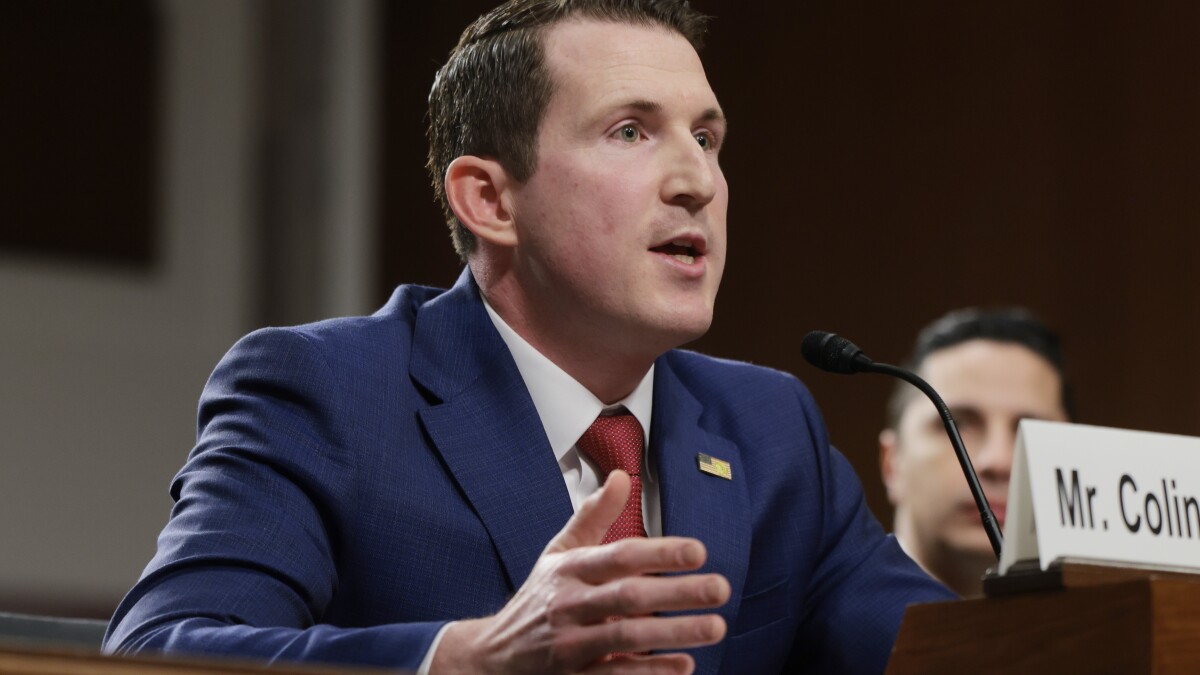
Concerns have grown following reports that agencies like the Federal Bureau of Investigation (FBI) continue to rely on commercially available data to support investigations. During a recent Senate hearing, FBI leadership acknowledged the use of such tools, emphasizing that they are considered lawful under existing frameworks like the Electronic Communications Privacy Act.
Artificial Intelligence Raises Stakes in Privacy Debate
The integration of artificial intelligence into data analysis has significantly heightened the stakes. AI systems can process enormous datasets to identify patterns, track behavior, and generate detailed profiles of individuals at scale. Experts warn that combining AI with commercially purchased data could enable unprecedented levels of surveillance.
Dario Amodei, CEO of the AI company Anthropic, has cautioned that such data could be used to construct comprehensive digital profiles of individuals automatically. This capability raises questions about how emerging technologies might amplify existing surveillance practices and potentially erode privacy protections.
The debate extends beyond intelligence agencies. Departments involved in immigration enforcement and national security have also explored tools that incorporate location data, facial recognition, and large-scale analytics. Technology coverage on platforms like <a href="/es/”https://www.wired.com”/">WIRED</a> y <a href="/es/”https://www.404media.co”/">404 Media</a> has highlighted how these tools are being integrated into enforcement strategies, further complicating the policy landscape.
Congressional Action Seen as Critical Moment for Reform
As Congress prepares to revisit FISA Section 702, advocates see a narrow window to implement reforms that would close the so-called data broker loophole. A coalition of more than 100 civil society organizations has urged lawmakers to include provisions that explicitly prohibit government agencies from purchasing sensitive personal data without judicial oversight.
Key proposals include requiring warrants for accessing location data, restricting the use of commercially obtained datasets, and increasing transparency around how agencies acquire and use such information. Supporters argue that these measures are necessary to restore public trust and align surveillance practices with constitutional standards.
Lawmakers such as Ron Wyden have been vocal in pushing for stricter limits, warning that failure to act could allow mass data collection practices to expand unchecked. However, opposition remains among those who argue that access to commercially available data is essential for national security and law enforcement operations.
With the expiration deadline approaching, the outcome of the FISA reauthorization debate is expected to shape the future of digital privacy in the United States. The decisions made in the coming weeks could determine whether current surveillance practices are curtailed or further entrenched in an increasingly data-driven world.