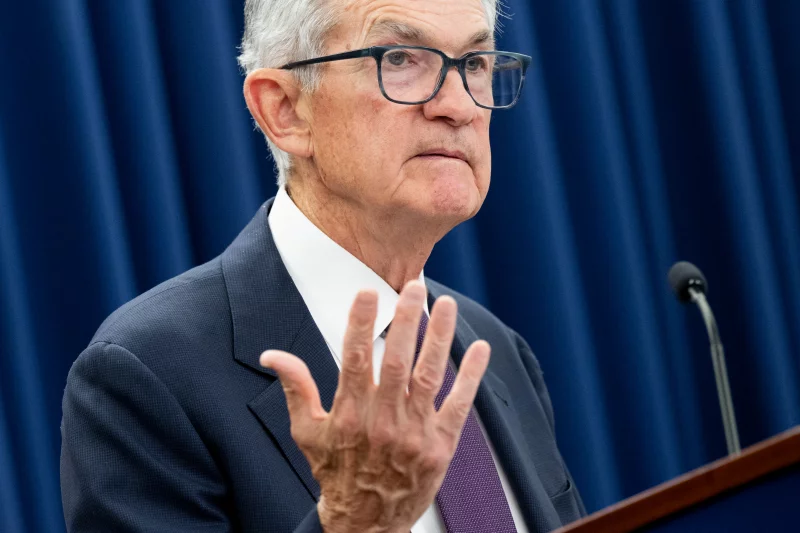
The Federal Reserve is entering a critical moment as it navigates a complex economic landscape marked by slowing job growth and renewed inflationary pressure. Policymakers are widely expected to keep benchmark interest rates unchanged, but the broader outlook has become increasingly uncertain.
In recent months, the central bank had signaled cautious optimism that the labor market was stabilizing. However, new data has complicated that narrative. Hiring has slowed significantly, and unemployment has edged higher, raising concerns about the resilience of economic growth. At the same time, global geopolitical tensions—particularly the ongoing conflict involving Iran—have driven up energy costs, adding pressure to already elevated inflation levels.
This combination has left the Fed balancing two competing priorities: supporting employment while preventing inflation from accelerating further.
Labor Market Weakness Clouds Outlook
Recent figures released by the Bureau of Labor Statistics show that employers reduced payrolls by 92,000 jobs in February, while the unemployment rate rose to 4.4%. Revisions to previous months’ data also indicate that job creation has been far weaker than initially reported.
Taken together, these numbers suggest that the labor market has lost momentum. Over the past six months, net job growth has been minimal, signaling a potential shift in economic conditions after a prolonged period of strength.
For the Federal Reserve, a cooling labor market would typically support a more accommodative policy stance, potentially opening the door to lower interest rates. However, the current environment is far from straightforward. Rising costs in key sectors, particularly energy, are complicating the policy response.
Inflation Pressures Intensify
Inflation remains above the Fed’s long-term target, with its preferred measure still hovering around 3.1%. While policymakers had previously anticipated a gradual decline toward 2.5% by the end of the year, recent developments have cast doubt on that trajectory.
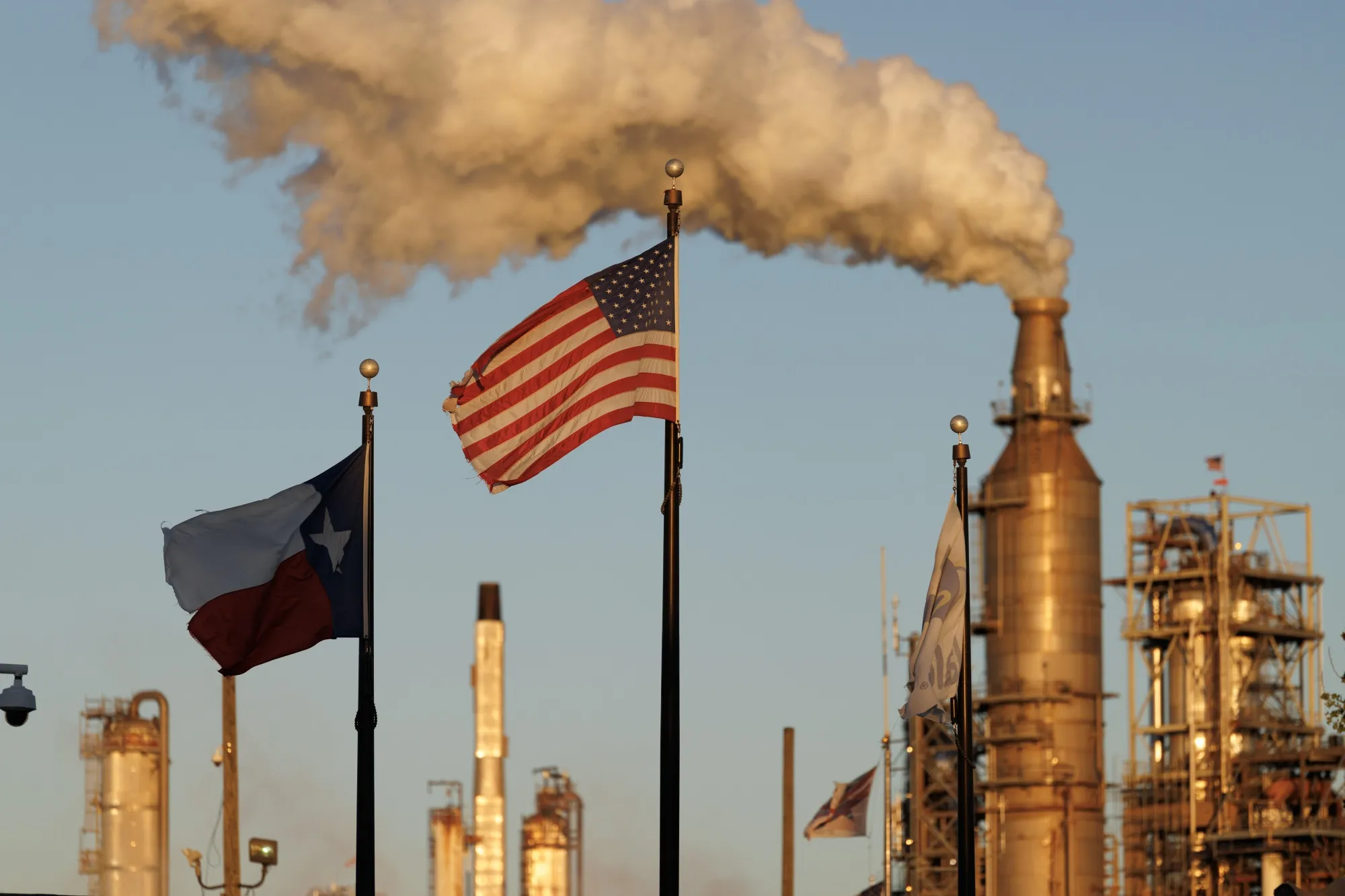
The conflict in the Middle East has disrupted oil supply chains, pushing gasoline and diesel prices higher. Analysts tracking global energy dynamics through platforms such as the U.S. Energy Information Administration warn that sustained increases in fuel costs could ripple through the broader economy.
Higher diesel prices, in particular, can significantly impact transportation and logistics, raising the cost of goods across multiple industries. As businesses pass those costs on to consumers, inflationary pressure can become more entrenched, limiting the Fed’s flexibility.
Leadership Uncertainty Adds Complexity
The policy challenge facing the Federal Reserve is further complicated by uncertainty surrounding its leadership. Chair Jerome Powell’s term is nearing its end, and the process of confirming a successor remains unresolved.
President Donald Trump has nominated Kevin Warsh to take over the role, but political tensions in Washington have delayed progress. A dispute involving the Department of Justice and ongoing legal challenges has added another layer of unpredictability to the situation.
If the confirmation process stalls, Powell could remain in his position longer than expected, an unusual scenario that underscores the broader institutional pressures facing the central bank.
This leadership uncertainty comes at a time when clear communication and decisive action are critical. Financial markets, businesses, and consumers are all closely watching how the Federal Reserve responds to evolving economic risks, particularly as inflation and employment trends move in opposite directions.