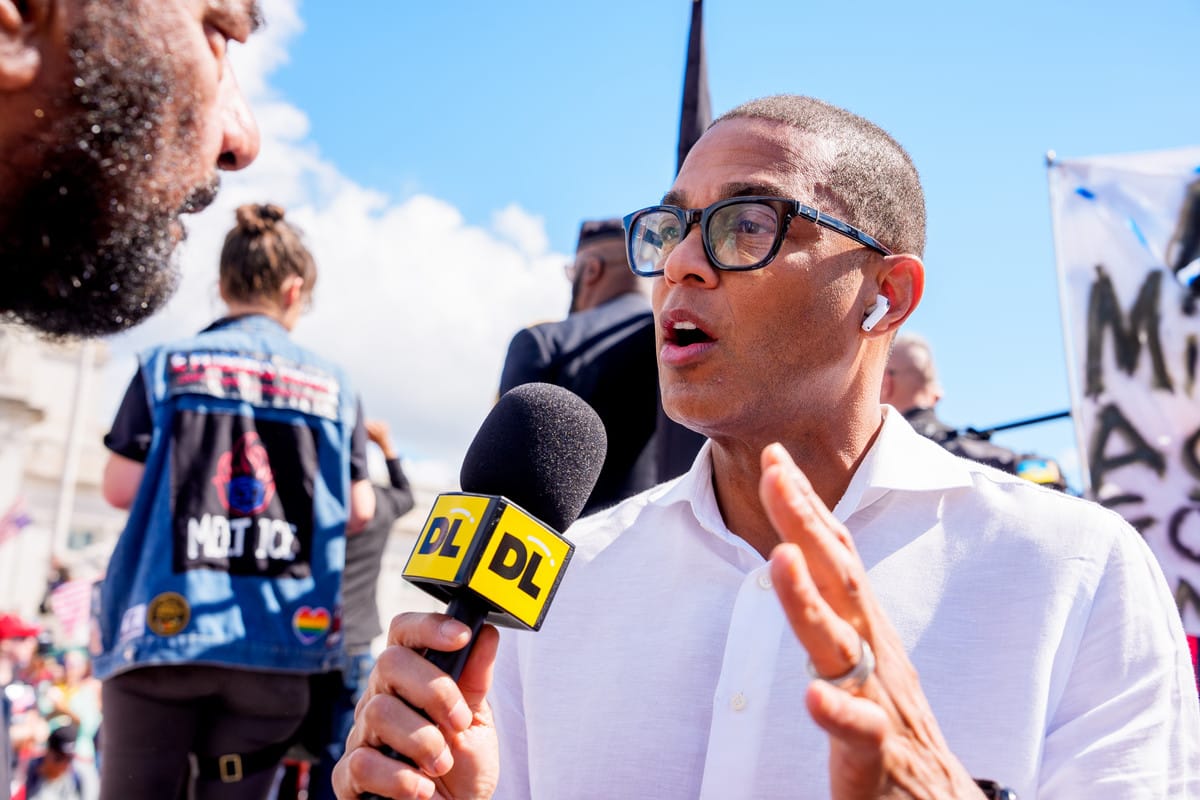
Federal authorities arrested four individuals, including former CNN anchor and independent journalist Don Lemon and Minnesota-based reporter Georgia Fort, in connection with a protest that took place inside a church in St. Paul, Minnesota. The case has ignited a national debate over freedom of the press, religious protections, and the scope of federal law enforcement authority, placing renewed focus on the balance between constitutional rights and public order.
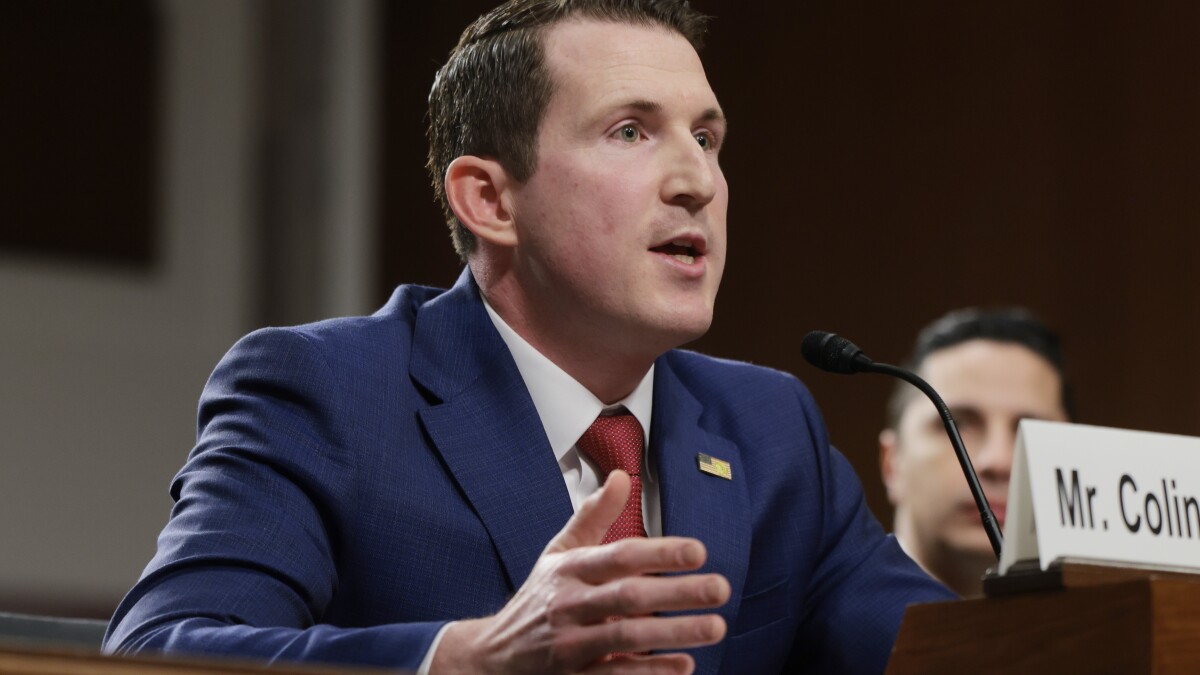
The arrests followed a coordinated federal operation ordered by U.S. Attorney General Pam Bondi, who announced the action publicly. The four detainees were identified as Don Lemon, Trahern Jeen Crews, Georgia Fort, and Jamael Lydell Lundy. According to federal authorities, the charges stem from a protest inside Cities Church, where a senior U.S. Immigration and Customs Enforcement official serves as pastor. The incident occurred during a prayer service and was livestreamed and recorded by participants, raising complex legal questions about protest rights and journalistic protections.
Lemon was detained in Los Angeles, where he had traveled to cover entertainment events, including the Grammy Awards. His attorney, Abbe Lowell, described the arrest as a direct challenge to the First Amendment, emphasizing concerns about press freedom and constitutional protections. Lemon, who now operates as an independent journalist after leaving CNN in 2023, has maintained that his presence at the church was strictly for reporting purposes.
Federal Case Raises First Amendment and Religious Freedom Questions
The federal government is pursuing charges under statutes designed to protect religious institutions from obstruction and disruption. These laws, which also cover abortion clinics, prohibit interference with worship services or religious gatherings. Prosecutors argue that the protest crossed legal boundaries by interrupting a protected religious space, despite claims by those present that their actions were part of lawful journalistic coverage and political expression.
The case has drawn widespread attention from civil liberties organizations and legal analysts, many of whom point to the constitutional tensions involved. The First Amendment protects both freedom of speech and freedom of the press, while federal law also safeguards religious worship. The intersection of these rights has created a legal gray zone that courts now must carefully examine. Broader discussions about civil liberties can be found at https://www.aclu.org, where constitutional law experts continue to analyze similar cases nationwide.
Federal officials argue that journalists are not exempt from laws governing protected spaces. Assistant Attorney General Harmeet Dhillon publicly stated that religious institutions are legally shielded from disruptions, regardless of whether participants claim journalistic intent. Her comments have intensified debate over the limits of reporting during active demonstrations and worship services, particularly when livestreaming and real-time coverage are involved.
Journalists Defend Reporting Role Amid Legal Challenges
Georgia Fort, a Minnesota-based independent journalist, stated that she was documenting the protest as part of her professional work. Prior to her arrest, Fort posted a video indicating that federal agents had arrived at her residence. Her supporters emphasize that her presence was strictly observational, adding that criminal charges could set a concerning precedent for journalists covering demonstrations and politically sensitive events.
Press advocacy organizations have raised alarms about the chilling effect such prosecutions could have on investigative journalism and protest coverage. The evolving legal landscape surrounding press freedoms is increasingly shaped by digital media and livestream reporting, where journalists often operate in dynamic and unpredictable environments. Resources addressing modern press rights and legal protections are widely available at https://www.rcfp.org, which provides guidance and legal tools for journalists navigating these complexities.
Don Lemon’s attorney has vowed to challenge the charges aggressively, arguing that the arrest represents a politically motivated action aimed at silencing criticism. Lemon, a vocal critic of former President Donald Trump, has maintained a visible role in political commentary since leaving CNN. His legal defense is expected to center on constitutional protections, journalistic intent, and the lack of direct evidence showing obstruction or disruption.
Political and Legal Implications at the National Level
The arrests have amplified political tensions at a time when debates over immigration policy, law enforcement authority, and religious freedom remain deeply polarized. Cities Church gained national attention because of its leadership ties to federal immigration enforcement, making it a symbolic focal point for demonstrators seeking to highlight immigration concerns. As federal authorities pursue the case, legal scholars anticipate a broader discussion on how protest laws intersect with press freedoms and political expression.
The Department of Justice, which oversees federal prosecutions, faces increased scrutiny regarding enforcement priorities and constitutional safeguards. Legal observers expect the courts to weigh carefully the boundaries of lawful protest, journalistic documentation, and protected religious activities. Further information about federal legal standards and enforcement practices can be found at https://www.justice.gov.
As the case moves forward, it is likely to influence future interpretations of protest laws and journalistic protections nationwide. With civil liberties, political activism, and religious freedom converging in a single courtroom battle, the outcome could set significant legal precedents. Coverage of broader developments in press freedom and public demonstrations continues to evolve, reflecting the complex relationship between democratic expression and the rule of law in the United States.