Powell signals cautious Fed stance
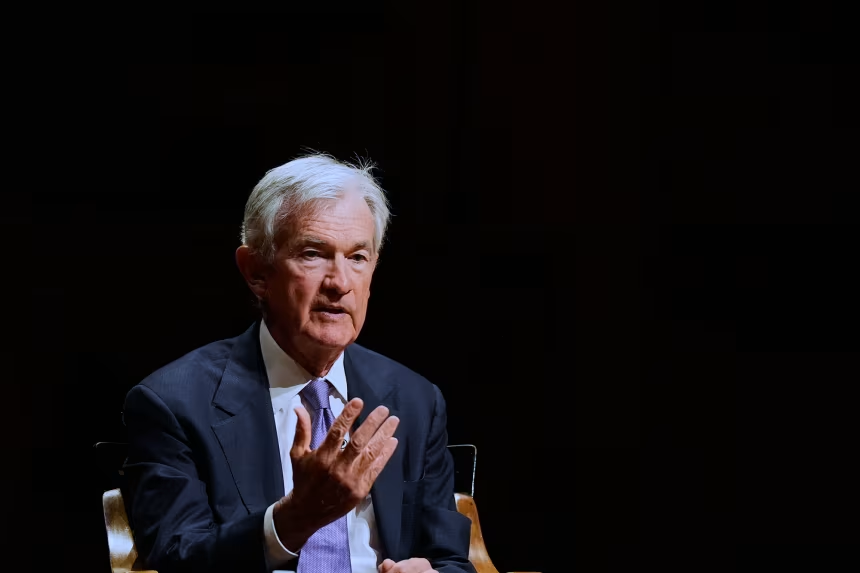
Federal Reserve Chair Jerome Powell has underscored that the central bank’s policy response to the Iran conflict will depend largely on how inflation expectations evolve among American households and businesses. While central bankers often attempt to “look through” temporary supply disruptions, Powell emphasized that expectations can quickly become self-reinforcing if not contained.
When consumers anticipate higher prices, they tend to accelerate purchases, and businesses may adjust pricing strategies accordingly. This dynamic can embed inflation more deeply into the economy, making it harder to reverse. Powell’s remarks highlight why policymakers are paying close attention not just to current data, but to sentiment indicators that reflect future behavior.
The Federal Reserve’s approach, shaped through tools outlined in the Federal Reserve policy framework, reflects a delicate balance. Officials must weigh the risk of acting too aggressively—potentially slowing economic growth—against the danger of allowing inflation to become entrenched. Powell signaled that, for now, interest rates may remain unchanged as policymakers assess how the situation unfolds.
He also pointed out that monetary policy operates with significant delays, meaning decisions made today may only influence the economy months later. This lag complicates responses to fast-moving geopolitical events, especially when energy markets are highly volatile.
Oil prices and consumer sentiment shift outlook
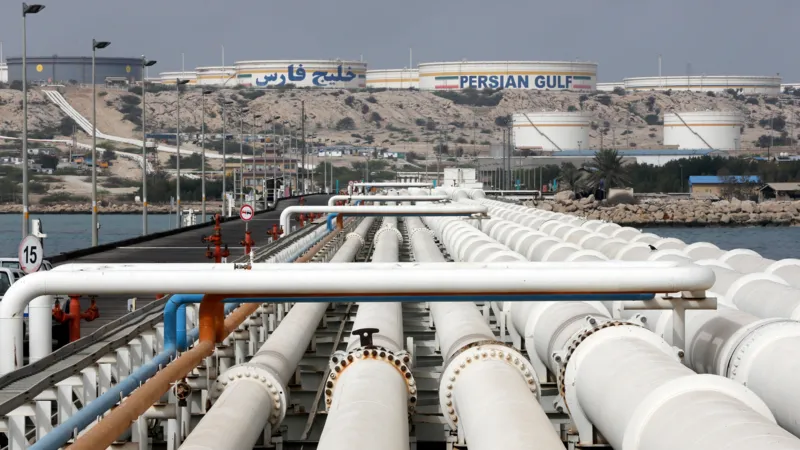
The conflict has triggered a sharp reaction in global energy markets, with oil prices climbing above $116 per barrel before moderating slightly. Even so, the surge has already translated into higher fuel costs and broader price increases across multiple industries.
Energy is a foundational input for the global economy, and rising costs tend to ripple outward. Transportation, manufacturing, and agriculture all face increased expenses, which are often passed on to consumers. Analysts tracking energy price trends note that continued disruption in key shipping routes could sustain upward pressure on prices.
At the same time, consumer confidence has weakened. Recent data shows a noticeable drop in sentiment, reflecting growing concern about inflation and economic uncertainty. Findings from consumer sentiment surveys indicate that short-term inflation expectations have risen significantly, even as longer-term projections remain relatively stable.
This divergence is important. Short-term expectations can influence immediate spending and saving decisions, while long-term expectations are closely tied to trust in the central bank’s ability to maintain stability. If long-term expectations begin to rise, policymakers may feel compelled to take more decisive action.
Balancing inflation risks and economic growth
The Federal Reserve is now navigating a complex environment in which inflationary pressures and growth risks are moving in different directions. Higher oil prices could push inflation above target levels for an extended period, while tighter financial conditions could slow hiring and reduce overall economic momentum.
Market expectations have shifted in response. Earlier forecasts suggested the possibility of a rate cut within the year, but some analysts are now considering the potential for higher rates if inflation remains persistent. Insights drawn from global economic research show that geopolitical shocks often force central banks into difficult trade-offs between price stability and growth.
Another complicating factor is the labor market, which remains resilient but shows signs of vulnerability. If borrowing costs rise too quickly, businesses may scale back hiring or investment. Conversely, failing to address inflation could erode purchasing power and weaken consumer demand over time.
The duration of the conflict will play a decisive role. A prolonged disruption in energy flows could amplify inflationary trends, while a quicker resolution might ease pressure on both prices and markets. Policymakers are therefore closely monitoring incoming data, using resources such as economic data indicators to track changes in inflation expectations, employment, and financial conditions.
Financial markets continue to react to each new development, with volatility reflecting uncertainty about both geopolitical outcomes and monetary policy direction. Bond yields, equity prices, and currency movements all signal a cautious outlook as investors attempt to anticipate the Federal Reserve’s next steps in an increasingly complex global environment.