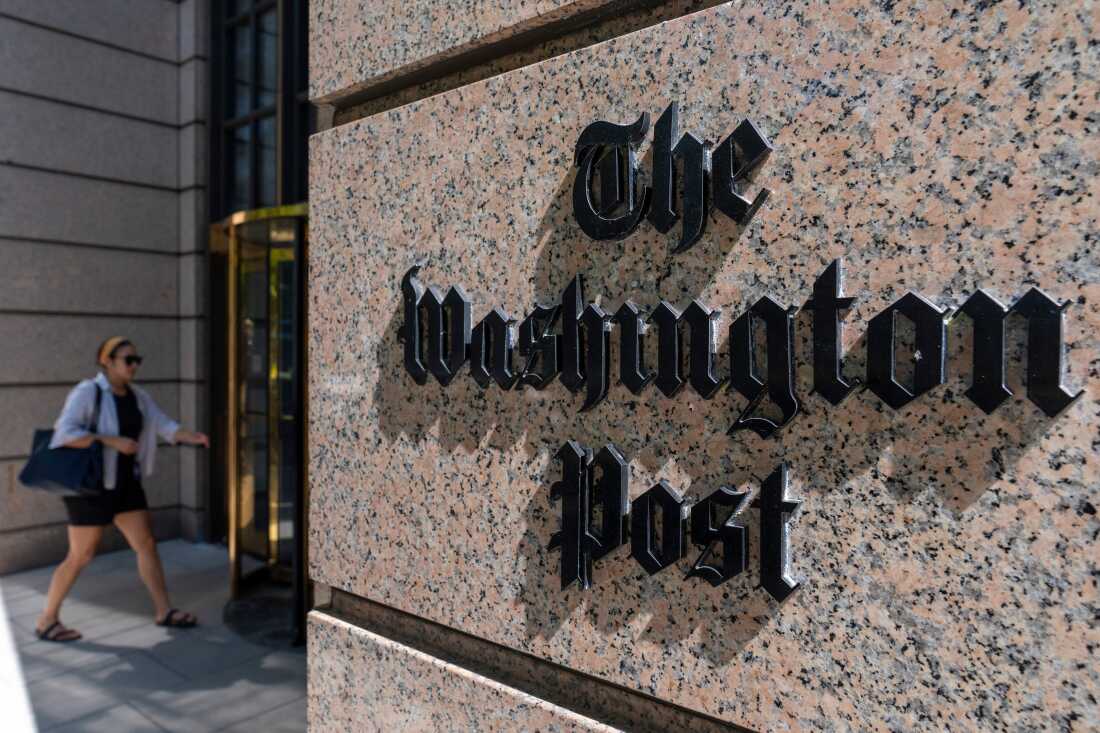
The Federal Bureau of Investigation carried out a court-authorized search of the Virginia home of a Washington Post reporter as part of a broader investigation into the handling of classified defense information, a move that has intensified scrutiny over the balance between national security enforcement and press freedom. The action, confirmed by the Justice Department, involved the seizure of electronic devices used by the journalist while covering federal workforce and national security issues connected to the Pentagon.
According to officials familiar with the case, the investigation centers on a government contractor accused of improperly removing classified material from secure facilities. While authorities stated that neither the reporter nor the newspaper is considered a target of the criminal probe, the decision to search a journalist’s residence has been widely viewed as an escalation in leak investigations involving the media. The development comes amid broader policy changes affecting how federal agencies pursue unauthorized disclosures.
Investigation Linked to Classified Defense Information
The warrant executed by federal agents was tied to an inquiry into a systems engineer employed by a defense contractor in Maryland, who allegedly retained sensitive national defense documents without authorization. Court filings indicate that the contractor held top-level security clearance and is accused of printing classified materials and storing them outside approved locations. Documents marked as SECRET were reportedly recovered during earlier searches of the contractor’s residence and vehicle.
Justice Department officials have said the search of the reporter’s home was conducted at the request of the Defense Department, citing concerns that classified and illegally leaked information was being obtained and reported. The Defense Department has recently emphasized stricter enforcement measures surrounding the protection of sensitive military data, reflecting a renewed focus on internal security protocols outlined on official platforms such as https://www.defense.gov.
While leak investigations involving classified information are not uncommon, searches involving journalists remain rare and legally sensitive due to constitutional safeguards. The First Amendment framework governing press activity in the United States has long limited the government’s ability to intrude into newsgathering processes, a principle explained in detail through resources available at https://www.justice.gov.
Press Freedom and Constitutional Protections
Newsroom leadership at the Washington Post described the search as an extraordinary measure that raises serious constitutional questions, particularly regarding protections for journalists engaged in lawful reporting. Media organizations have historically argued that aggressive investigative tactics can have a chilling effect on sources, reducing transparency and public accountability across government institutions.
Press freedom advocates warn that searches of reporters’ homes or devices risk exposing confidential sources and unpublished materials, potentially undermining investigative journalism. Organizations dedicated to defending journalists’ rights have highlighted that physical searches are among the most intrusive actions law enforcement can take against members of the press. Broader discussions about these protections are frequently referenced by civil liberties groups and legal scholars analyzing First Amendment precedent through platforms such as https://www.aclu.org.
The situation has also drawn attention to internal Justice Department guidelines that govern interactions with the news media. These policies are designed to ensure that any investigative steps involving journalists are narrowly tailored and subject to heightened approval standards, reflecting the unique role of the press in democratic oversight.
Policy Shifts and Broader Implications
The search occurs against the backdrop of recent policy changes that expanded prosecutors’ authority to pursue leak investigations using subpoenas, court orders, and search warrants. Earlier safeguards that limited the seizure of journalists’ records without notice were rolled back, granting investigators greater discretion when national security concerns are cited. Current guidelines still state that members of the press are presumptively entitled to advance notice and that warrants must include protocols to minimize intrusion into protected materials, but critics argue that enforcement of these standards remains inconsistent.
At the White House level, officials have reiterated a zero-tolerance approach toward unauthorized disclosures of classified information, framing leaks as a direct threat to national security and the safety of military personnel. This position aligns with broader federal efforts to modernize information security practices across agencies, an issue increasingly discussed within government workforce management circles and outlined in policy resources available through https://www.usa.gov.
As the legal proceedings involving the defense contractor continue, the search of a reporter’s home is likely to remain a focal point in ongoing debates over transparency, accountability, and the limits of government power. The case underscores the fragile balance between safeguarding classified information and preserving the independence of the press, a tension that continues to shape the relationship between journalists and federal authorities in the United States.