European military forces have begun deploying to Greenland, marking a significant escalation in security coordination across the Arctic region. Units from France, Germany, Norway and Sweden are arriving on the island as Denmark reinforces its defense posture in response to intensifying geopolitical pressure and growing strategic competition in the High North. The deployment reflects a broader European effort to safeguard Arctic stability while navigating complex diplomatic frictions with Washington over the future role of Greenland in regional security architecture.
The Arctic island, a semi-autonomous territory within the Kingdom of Denmark, has gained renewed strategic relevance due to its location along emerging polar shipping routes and its proximity to critical missile defense and early-warning systems. As climate change reshapes access to the region, Greenland has moved from the geopolitical periphery to the center of transatlantic security planning.
Denmark and NATO Allies Deepen Arctic Defense Coordination
Denmark has confirmed plans to establish a more sustained military footprint in Greenland, supported by rotational deployments from allied European nations. Danish defense officials emphasize that the objective is long-term deterrence, situational awareness and readiness rather than short-term exercises. The expanded presence includes air surveillance, naval patrols and ground units operating in cooperation with allied forces.
This approach aligns with broader NATO efforts to reinforce its northern flank, particularly as Arctic security becomes increasingly interconnected with European and North American defense strategies. The alliance has already increased its analytical and operational focus on the region, as outlined in ongoing discussions within NATO frameworks and policy reviews published on the official https://www.nato.int website.
Germany’s deployment of reconnaissance personnel underscores a growing recognition among European capitals that Arctic stability is inseparable from continental security. France’s involvement, including alpine-trained infantry units, reflects a similar recalibration of defense priorities toward cold-weather and remote-environment operations.
Greenland at the Center of Strategic and Economic Interests
Beyond its military significance, Greenland’s vast untapped reserves of critical minerals have become a focal point of international attention. These resources are essential for advanced technologies, renewable energy systems and defense manufacturing, making control over supply chains a strategic imperative. As a result, Greenland’s economic potential increasingly overlaps with global security calculations.
European officials stress that sovereignty and local consent remain non-negotiable principles in any future development of Greenland’s resources. Public policy discussions within the Kingdom of Denmark continue to emphasize governance frameworks that balance economic opportunity with environmental protection and social welfare, consistent with standards promoted by institutions such as the https://www.oecd.org.
Local voices in Nuuk have welcomed stronger European involvement as a stabilizing factor, viewing it as reassurance that Greenland’s future will be shaped through multilateral cooperation rather than unilateral pressure. At the same time, public debate within Greenland highlights concerns that security narratives may overshadow community priorities, including infrastructure investment, education and healthcare.
Diplomacy, Disagreement and the Future of Arctic Security
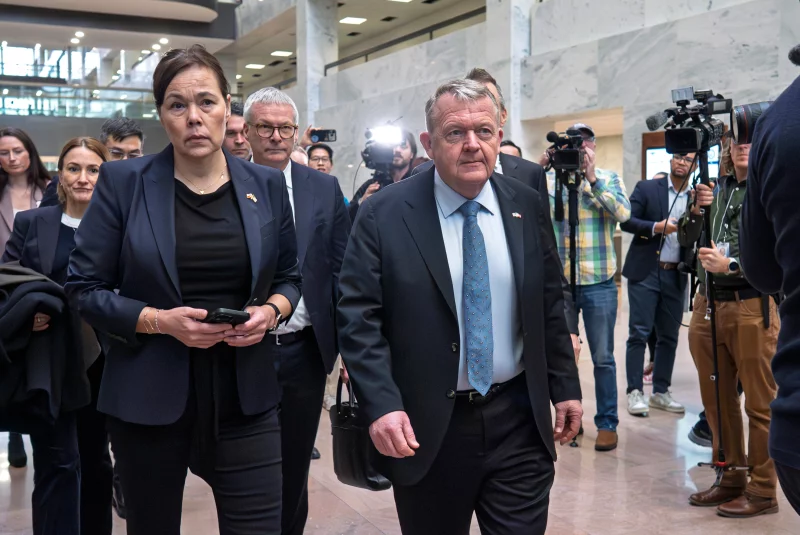
Recent high-level talks between Danish, Greenlandic and U.S. officials exposed persistent disagreements over Greenland’s strategic trajectory. While dialogue channels remain open, European governments have made clear that any security arrangements must respect existing treaties and the autonomy of Greenland’s institutions. A joint working group has been established to manage differences and address security concerns without escalating tensions.
Analysts note that Arctic security is no longer a niche policy area but a defining issue for transatlantic relations in the coming decade. As defense spending rises and strategic planning intensifies, Greenland’s role is likely to expand further, both militarily and economically. Ongoing assessments by bodies such as the https://www.imf.org also point to the broader macroeconomic implications of Arctic development, particularly in resource markets and global trade flows.
For now, the arrival of European troops signals a clear message: Greenland is firmly embedded within a multilateral security framework. How this balance evolves—between deterrence, diplomacy and development—will shape not only the island’s future but also the stability of the Arctic as a whole, a region increasingly central to global security calculations discussed within the https://www.consilium.europa.eu and other international forums.