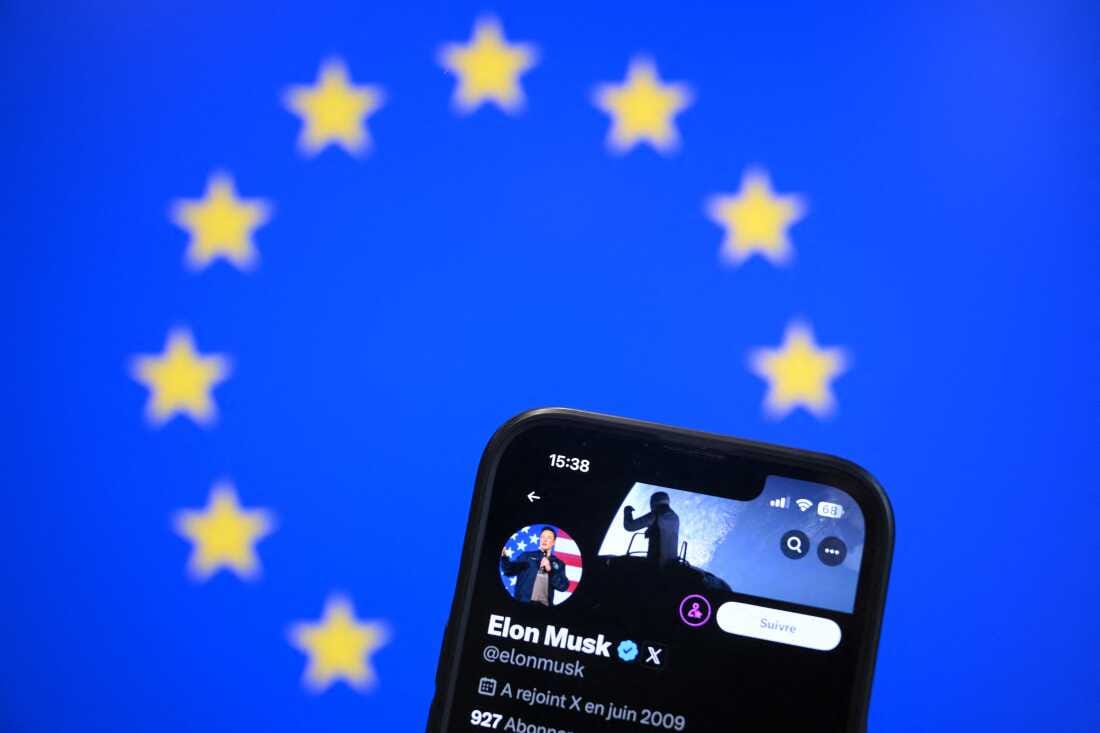
The European Union has imposed a $140 million penalty on X, the platform previously known as Twitter, after determining that the company failed to comply with several digital governance requirements established for very large online platforms. The decision marks one of the most consequential enforcement actions under the bloc’s expanding regulatory framework, as European authorities seek greater accountability from global technology companies while navigating increasingly tense transatlantic political dynamics. As X continues to reshape its operational standards under Elon Musk’s leadership, European regulators argue that the company’s practices do not align with essential transparency obligations, user protections, and research access mandates that anchor the region’s digital ecosystem.
EU Cites Misleading Verification System and Transparency Failures
According to the Commission, the fine stems from multiple compliance issues, including the platform’s use of the blue verification check mark as part of a subscription model. Regulators stated that transforming a historically trust-based verification symbol into a paid feature left many users uncertain about authenticity online, increasing risks of impersonation and confusion at a time when election-related information is under intense scrutiny. The EU also noted that X’s advertising repository failed to meet accessibility and functionality standards required for oversight and analysis, making it more difficult for independent researchers and civic institutions to evaluate the influence of political or high-impact content. As part of its argument, the Commission reiterated that access to structured datasets for research is a fundamental component of Europe’s digital policy strategy, an initiative highlighted in discussions around public data governance on platforms such as the European Data Portal at https://data.europa.eu.
While regulators have emphasized that constructive cooperation often leads to negotiated solutions, X opted to challenge earlier findings rather than pursue a settlement. Musk has repeatedly criticized European digital legislation as overly restrictive and has expressed his intent to oppose sanctions in court. Observers say the friction could signal a broader pushback from U.S. entrepreneurs who view the EU’s expanding rules as disproportionately affecting American firms. The dispute also comes at a time when digital verification standards are a central focus of online identity debates, including those related to secure online access systems described by the European Union Agency for Cybersecurity at https://www.enisa.europa.eu.
A Test of Europe’s Digital Sovereignty Amid U.S. Political Pressure
The fine has unfolded against the backdrop of heightened trade and diplomatic tensions. The Trump administration has continued to argue that Europe unfairly burdens U.S. technology companies through its regulatory agenda, claiming that such measures suppress innovation and amount to indirect trade barriers. Some U.S. officials have linked these concerns to negotiations on steel and aluminum tariffs, while simultaneously citing free speech as a justification for questioning the EU’s approach to content governance. Despite the external political pressure, the Commission insists that its decisions are based solely on legal obligations under the Digital Services Act and the Digital Markets Act, frameworks designed to safeguard competition and limit systemic risks in the digital environment. These policies align with Europe’s broader vision of digital sovereignty, a concept detailed in the EU’s long-term digital transformation strategy available at https://digital-strategy.ec.europa.eu.
Experts warn that escalating the conflict could trigger further retaliatory measures from the United States, particularly as the EU remains heavily dependent on American technology infrastructure across sectors such as cloud services, artificial intelligence systems, and cybersecurity development. The situation highlights a widening divergence in regulatory philosophy between the two powers: Europe prioritizes legal oversight to prevent harmful digital practices, while U.S. institutions often emphasize market freedom and corporate autonomy. Analysts note that these competing visions influence global standards, shaping how other regions regulate data access, cross-border services, and platform accountability.
X Faces Ongoing Scrutiny as New Investigations Advance in the EU
Although the $140 million penalty represents a significant outcome, European officials indicate that several additional concerns remain under separate examination. Investigators are reviewing how X manages illegal online content, its handling of election-related misinformation, and the effectiveness of its Community Notes feature in combating false or misleading information. The Commission has stated that these inquiries are still at an early stage and could lead to further regulatory steps depending on the evidence gathered. Europe has a record of imposing substantial fines on large technology companies, including previous multibillion-dollar actions involving search, advertising, and competition violations. These precedents underscore the Commission’s willingness to pursue enforcement even amid external political tensions.
As the regulatory landscape evolves, digital governance continues to play a central role in transatlantic relations, global platform standards, and public debates about online speech and platform responsibility. The situation has drawn the attention of legal experts, trade negotiators, and civil society organizations who follow rulemaking developments closely, many of whom consult resources such as the EU’s legislation database at https://eur-lex.europa.eu to track updates on compliance requirements. The outcome of this and future enforcement actions will help determine how major platforms operate across Europe, shaping what transparency, accountability, and user protection look like for more than 100 million people who interact with X within the EU.