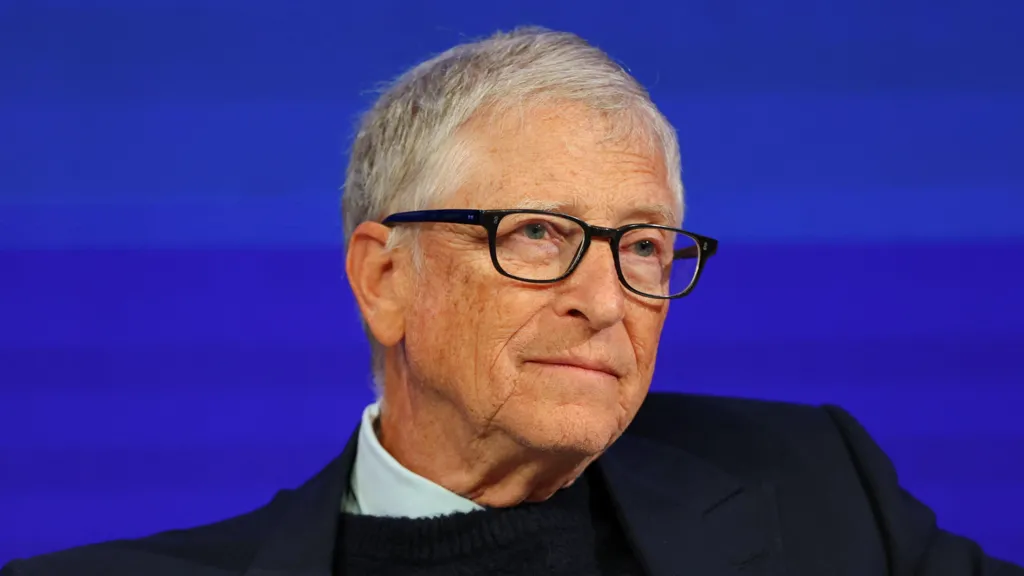
Global attention has turned to New Delhi as political leaders, technology executives, researchers, and civil society groups gather for the AI Impact Summit, an event intended to shape how artificial intelligence is governed in the years ahead. From the outset, however, the ambition of steering the AI revolution has competed with distractions ranging from logistical confusion to speculation over the appearance of high-profile figures. The uncertainty surrounding Bill Gates’ keynote briefly threatened to eclipse the agenda, underscoring how easily debates about responsibility and safety can be overshadowed by personalities and politics.
Yet the choice of India as host carries symbolic weight. Discussions about artificial intelligence are often dominated by voices from the United States and Europe, even though the consequences of rapid technological change will be felt worldwide. Holding the summit in a country that sits at the intersection of advanced technical capability and vast development challenges shifts the focus toward regions that risk being left behind as AI adoption accelerates unevenly.
India’s Role in a Divided AI Economy
India occupies a paradoxical position in the global AI ecosystem. On one hand, it is home to major technology hubs and a deep talent pool that supports innovation for multinational companies. On the other, much of the invisible labor that sustains AI systems—such as data labeling and content moderation—is performed by workers earning a fraction of the wealth generated by the industry. While leading firms like OpenAI command valuations measured in the hundreds of billions of dollars, many of the people training these systems earn only modest annual incomes.
This imbalance highlights a broader divide between those who design and profit from AI and those who enable it behind the scenes. Adoption rates also vary sharply. In wealthier economies, AI tools are becoming routine, while usage across large parts of Asia, Africa, and Latin America remains limited. Language barriers compound the problem, as many widely used AI systems fail to support the full diversity of local languages spoken by hundreds of millions of people.
Against this backdrop, India has framed AI as more than a technological upgrade. Policymakers see it as a lever for economic transformation and digital sovereignty, a way to ensure that innovation aligns with domestic priorities rather than external agendas. The government’s push to develop national platforms reflects this ambition, even as progress lags behind the rapid release cycles of Western and Chinese competitors.
Global South Voices and Shifting Power Dynamics
The summit has also exposed shifting geopolitical dynamics around AI governance. Previous international gatherings were marked by competition among major powers over who would set the rules. In contrast, Delhi’s discussions have emphasized a more bottom-up approach, one that foregrounds the needs of the Global South and frames AI governance around people, sustainability, and shared progress rather than dominance.
This recalibration has not gone unnoticed. Some experts argue that the United States and Europe may find themselves less able to dictate outcomes in a forum that prioritizes inclusivity over hierarchy. Others worry that, amid calls for access and openness, critical questions about safety and accountability are slipping down the agenda. Proposals to require companies to share more information about how their systems are trained and evaluated have gained traction, but resistance remains strong.
For India, the challenge is balancing aspiration with realism. The Indian government has committed billions of dollars to its AI mission, yet that investment is modest compared with the resources of global technology giants. Whether the summit can translate high-level dialogue into meaningful cooperation remains uncertain. What is clear is that the debate unfolding in Delhi reflects a broader struggle over who benefits from AI, who bears its risks, and who gets to decide its future.