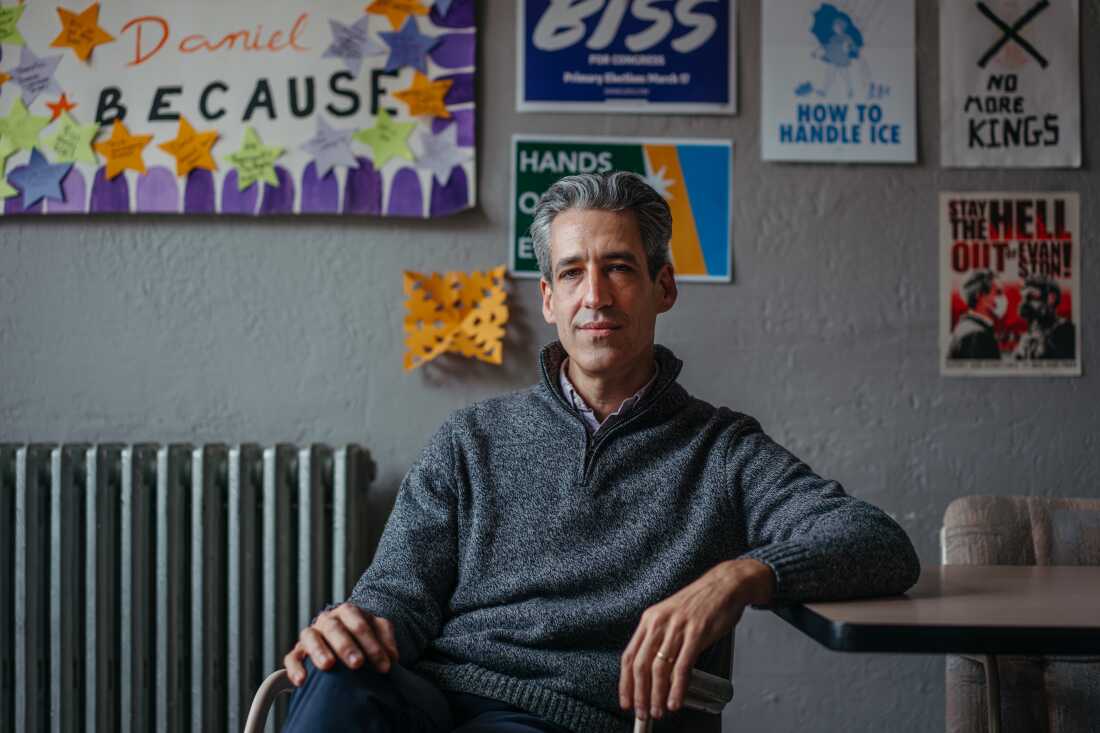
Daniel Biss Secures Victory in Competitive Illinois Primary
Daniel Biss, current mayor of Evanston, has won the Democratic primary for Illinois’ 9th congressional district, emerging as the leading candidate in a closely watched race. The district, located in the Chicago metropolitan area, has long been considered a safe Democratic stronghold, making the primary outcome particularly decisive.
The race marked the end of an era following the retirement of Jan Schakowsky, who has represented the district since 1999. With more than a dozen candidates competing, the primary became one of the most crowded and competitive Democratic contests in recent state history. Biss entered the race with strong institutional support and a record in public office that resonated with a broad segment of voters.
During the campaign, Biss emphasized his experience in governance alongside a commitment to advancing progressive policies. He positioned himself as a candidate capable of both legislative effectiveness and ideological clarity, appealing to voters seeking continuity combined with forward-looking leadership.
Progressive Messaging and Generational Debate Shape the Race
A central dynamic in the primary was the contrast between established political figures and emerging voices within the Democratic Party. Kat Abughazaleh, a 26-year-old progressive candidate, secured second place, finishing just a few percentage points behind Biss.
Abughazaleh’s campaign focused on anti-establishment themes, arguing that traditional party approaches have not delivered sufficient results for voters. Her platform highlighted economic concerns such as housing affordability, healthcare access, and cost-of-living pressures, positioning these issues as central to redefining political priorities.
The race also reflected a broader generational conversation within the party. While Biss represents Generation X, Abughazaleh’s candidacy symbolized a younger cohort seeking structural changes in political strategy and messaging. Her strong performance underscored the growing influence of younger voters and activists, even in districts with long-standing political traditions.
Policy Debates and External Influence Take Center Stage
Beyond generational differences, the primary was shaped by debates over policy direction and the role of external political organizations. Spending by groups aligned with AIPAC became a significant factor, with millions of dollars directed toward influencing the race.
Biss, who is Jewish, faced scrutiny regarding his position on U.S. policy toward Israel. While he has expressed criticism of certain advocacy efforts, questions remained during the campaign about his stance on military aid and broader foreign policy issues. These discussions became a focal point as candidates sought to differentiate themselves on international as well as domestic concerns.
The contest also drew attention due to broader national political dynamics, including opposition to policies associated with Donald Trump. Candidates framed their campaigns in part around how best to respond to shifting political conditions at the federal level.
As the general election approaches, Biss is widely expected to maintain Democratic control of the district. However, the primary results offer insight into evolving priorities among Democratic voters, highlighting a balance between experience, progressive advocacy, and demands for structural change within the party.