Cristela Alonzo, a Mexican American comedian and actress, has connected her early life experiences near the US–Mexico border with the renewed visibility of immigration enforcement in the United States. Growing up in south Texas, Alonzo spent the first seven years of her life living with her family inside an abandoned diner, an experience shaped by economic hardship and constant anxiety linked to immigration authorities operating in the region. As public discussion around Immigration and Customs Enforcement intensifies, Alonzo has said the presence of ICE has revived memories she believed she had long left behind.
Now widely recognized for her work in television and stand-up comedy, Alonzo has used her latest Netflix special, Upper Classy, to explore themes of class, identity, and fear rooted in her upbringing. The special, available on https://www.netflix.com, blends humor with personal history, highlighting how immigration enforcement policies have influenced generations of families living in border communities.
Childhood Near the Border and Lasting Fear
Alonzo’s childhood unfolded in a border town where encounters with border patrol vehicles were a routine part of daily life. Even without direct interaction, the visibility of enforcement shaped how families behaved, where children played, and how communities learned to remain unnoticed. Alonzo has described how fear became normalized, forming part of her earliest understanding of safety and belonging.
Living in an abandoned diner underscored the instability her family faced, but it also fostered resilience. Those early years, marked by uncertainty and vigilance, later informed her comedic voice. The legacy of border enforcement policies, overseen today by agencies such as https://www.ice.gov, continues to influence conversations about immigration and civil liberties, particularly for communities that have lived under their watch for decades.
Comedy as Social Commentary
In Upper Classy, Alonzo revisits these formative experiences with a perspective shaped by time and success. The stand-up special does not simply recount hardship; it reframes it through satire, examining how systemic pressures affect self-worth, opportunity, and the definition of success. Her approach reflects a broader trend in American comedy, where personal narratives intersect with political and social realities.
Alonzo’s storytelling resonates with audiences who recognize similar patterns in their own lives, especially among immigrant and first-generation families. Discussions about immigration policy, legal pathways, and enforcement remain central to national discourse, with information and resources frequently referenced through platforms such as https://www.uscis.gov, which outlines official immigration processes and protections.
Renewed Debate Around ICE and Public Memory
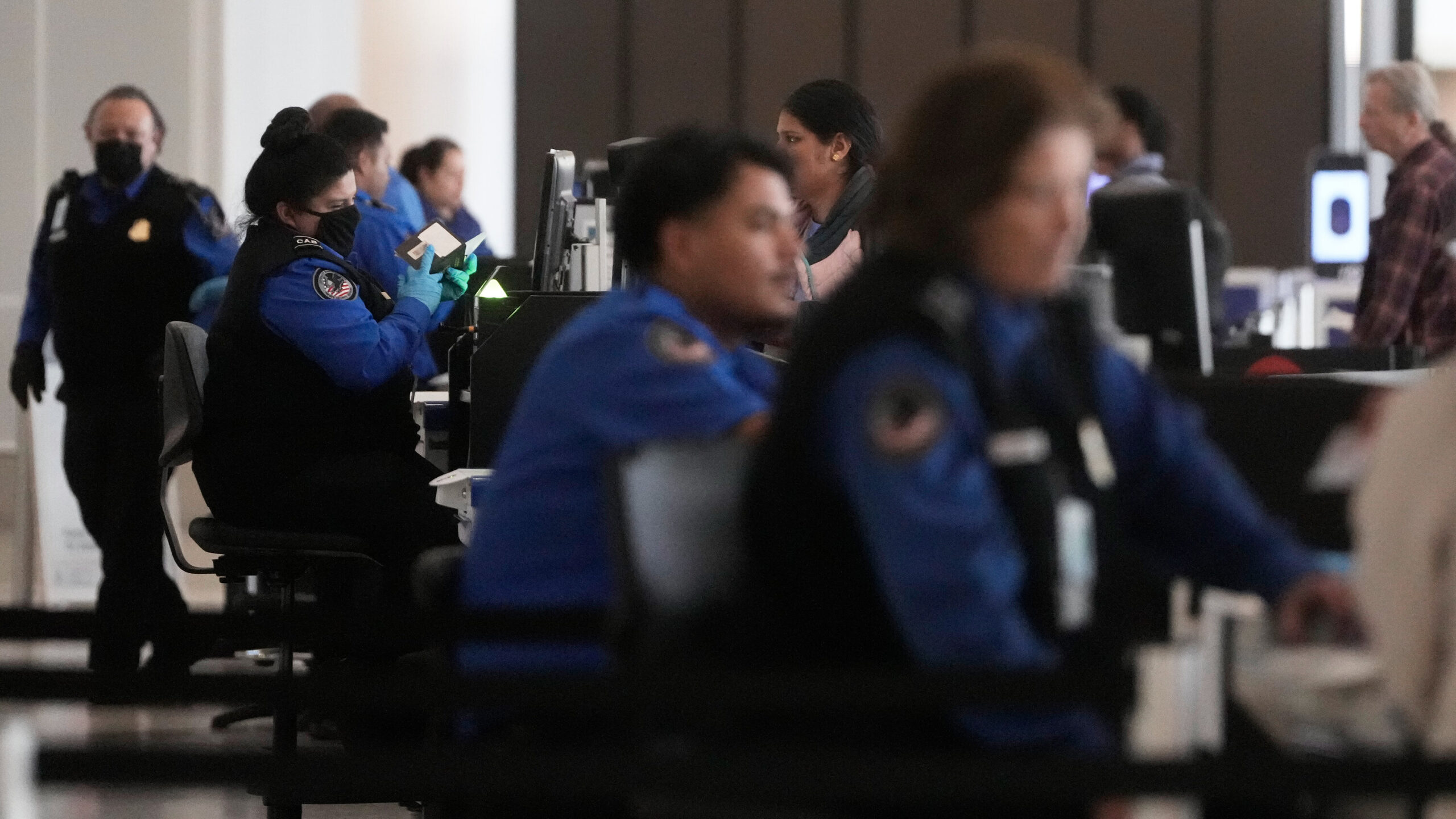
As immigration enforcement returns to the forefront of public debate, Alonzo’s reflections highlight the emotional impact policies can have beyond statistics and legislation. For many, ICE operations symbolize not only legal authority but also generational trauma tied to fear of separation and displacement. Advocacy organizations, including https://www.aclu.org, have emphasized how enforcement practices affect community trust and mental well-being.
Alonzo’s decision to speak openly about these memories through comedy underscores the role of cultural figures in shaping public understanding. By connecting her personal history to present-day realities, she adds a human dimension to discussions often dominated by policy language. Her work illustrates how stories rooted in childhood experience can influence broader conversations about identity, belonging, and the long-term consequences of immigration enforcement in the United States.