Subtle Price Increases Hit Consumers
As fuel prices continue to climb בעקבות geopolitical tensions, businesses across multiple sectors are quietly adjusting their pricing strategies. Rather than implementing immediate and visible price hikes, many companies are opting for more subtle methods that gradually shift the financial burden onto consumers.
Supply chain experts note that companies initially attempt to absorb higher costs by optimizing logistics—combining shipments, reducing frequency of deliveries, or increasing efficiency. However, these adjustments only delay the inevitable. Over time, consumers begin to notice changes such as higher minimum purchase requirements for free shipping, fewer promotional discounts, and reduced product sizes.
Major e-commerce platforms are already reflecting these shifts. For instance, Amazon has introduced a temporary surcharge affecting third-party sellers who rely on its fulfillment services. While customers may not see a direct fee at checkout, sellers often compensate by raising product prices, effectively transferring the cost downstream.
These incremental changes may appear minor individually, but collectively they contribute to a noticeable increase in the overall cost of living, particularly as inflationary pressures persist across global markets.
Airlines and Logistics Face Mounting Costs
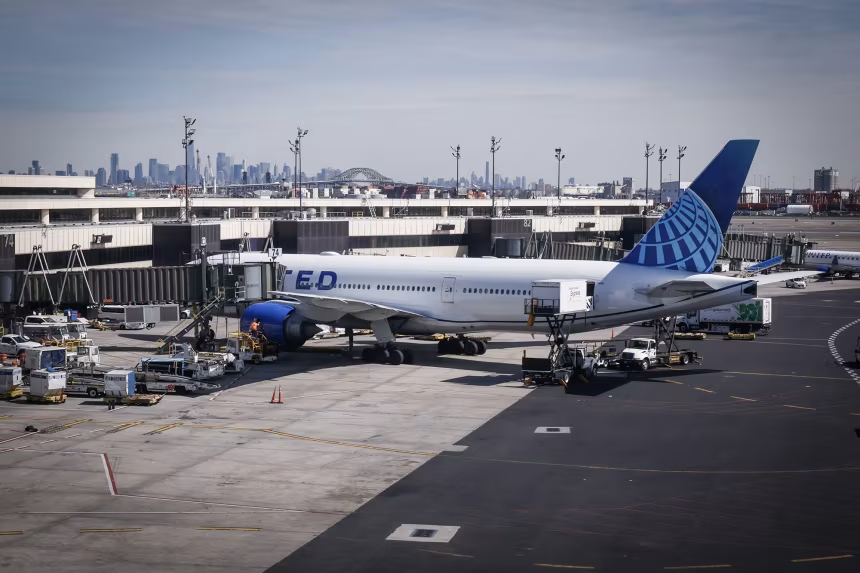
The aviation sector is among the most heavily impacted industries, with jet fuel representing approximately 25% of airline operating expenses. Since the onset of the conflict, jet fuel prices have surged by nearly 95%, dramatically increasing operational costs for carriers.
Airlines are responding by introducing or raising ancillary fees rather than significantly increasing ticket prices. Companies such as Delta Air Lines y United Airlines have both increased charges for checked baggage, with fees now reaching up to $55 for additional luggage depending on booking conditions.
These fee adjustments allow airlines to maintain competitive base fares while still offsetting rising expenses. At the same time, disruptions in flight routes—caused by restricted airspace and safety concerns—are forcing carriers to take longer paths, consuming more fuel and compounding the financial strain.
The cumulative impact is substantial. Industry leaders estimate that sustained fuel price increases could add billions of dollars in annual costs, far exceeding profit margins seen even in the most successful years.
Shipping Fees and Global Supply Chain Pressures
Shipping and logistics companies are also passing on increased costs through a mix of direct surcharges and dynamic pricing models. For the first time, the US Postal Service has introduced a fuel surcharge on package deliveries, marking a significant shift in its pricing structure.
Private carriers have long relied on fuel-based surcharges that adjust automatically based on diesel prices. As energy costs rise, these fees escalate accordingly, affecting both businesses and consumers who depend on reliable shipping services.
Global shipping firms are facing additional challenges due to longer transit routes and increased insurance premiums for operating in high-risk areas. These factors not only raise operational costs but also contribute to delays and reduced efficiency across supply chains.
Meanwhile, companies are exploring alternative strategies to manage expenses, including renegotiating supplier contracts, consolidating shipments, and adjusting inventory distribution. Insights from organizations such as the McKinsey & Company highlight how these adaptations are becoming standard practice in an environment defined by uncertainty and volatility.
As these pressures continue to build, consumers are likely to encounter a growing number of indirect price increases embedded in everyday transactions, from online shopping to travel and essential services.