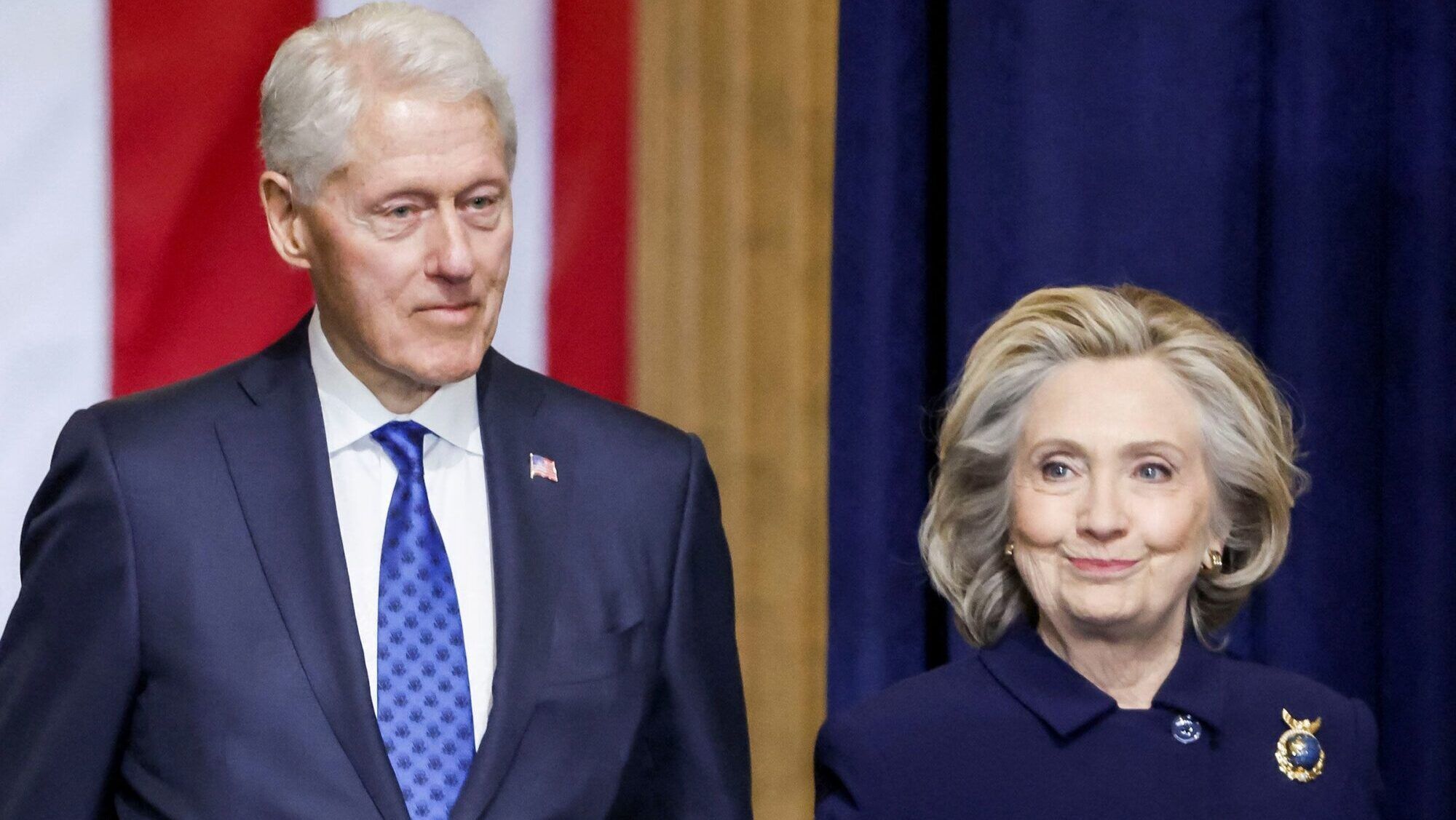
Former President Bill Clinton and former Secretary of State Hillary Clinton have agreed to testify before the House Oversight Committee in its investigation into the activities and network of convicted sex offender Jeffrey Epstein, setting the stage for one of the most consequential congressional inquiries in recent history. The agreement, reached amid escalating political pressure and legal maneuvering, comes as lawmakers advanced resolutions that could have resulted in both Clintons being held in criminal contempt of Congress, a measure that carries significant legal consequences, including the potential for fines and incarceration.
The investigation, led by House Oversight Committee Chairman James Comer, is part of a broader effort to examine the handling of the Epstein case, the conduct of public officials, and the broader accountability of institutions connected to the financier’s activities. The committee’s work aligns with ongoing transparency initiatives pursued by Congress, as reflected in legislative oversight procedures outlined on the official website of the U.S. House of Representatives at https://www.house.gov. Lawmakers argue that the testimony of high-profile figures is essential to establishing a comprehensive public record and restoring confidence in government accountability.
High-Stakes Negotiations and the Threat of Contempt Charges
The decision by the Clintons to comply with congressional demands followed intense negotiations between their legal representatives and committee staff. Initially, attorneys for the former president and former secretary of state proposed alternative formats for cooperation, including a transcribed interview for Bill Clinton and a sworn written declaration from Hillary Clinton. However, Chairman Comer rejected those proposals, emphasizing that both individuals must appear for sworn depositions to fully satisfy the subpoenas issued by the committee.
Comer maintained that lawful subpoenas cannot be selectively negotiated and insisted that testimony under oath is essential to preserving the integrity of congressional oversight. His stance reflects the broader authority of Congress to compel testimony, a power grounded in constitutional principles and further detailed in legal interpretations provided by the Congressional Research Service and accessible through https://crsreports.congress.gov. As the prospect of contempt charges advanced, the Clintons agreed to appear for depositions on mutually acceptable dates, although committee leaders indicated that final terms had not yet been formally documented.
The advancement of contempt resolutions through the House Rules Committee marked a critical juncture. Such a move could have made history, potentially resulting in Congress holding a former president in contempt for the first time. While the process was temporarily paused to allow negotiations to continue, the legal ramifications remain substantial. Under U.S. law, a criminal contempt of Congress referral may be transmitted to the Department of Justice for prosecution, as outlined in federal statutes available at https://www.justice.gov.
Expanding the Scope of the Epstein Inquiry
The House investigation into Epstein extends beyond individual relationships and seeks to uncover systemic failures that allowed his network to operate for years. Lawmakers have stressed the importance of examining how institutions, regulatory agencies, and political structures responded to warning signs and allegations. The inquiry also aims to determine whether political considerations influenced prosecutorial decisions or delayed accountability.
Republican leaders have placed particular emphasis on Bill Clinton’s past association with Epstein, which dates back to the late 1990s and early 2000s. Although Clinton has denied any wrongdoing, committee members argue that understanding the full extent of Epstein’s access to powerful individuals is critical for ensuring transparency. Democrats on the panel, while divided, have also supported elements of the investigation, emphasizing that accountability should apply across party lines.
In parallel, congressional oversight efforts have intensified scrutiny of how federal agencies managed evidence and documentation related to Epstein’s prosecution. These efforts intersect with broader transparency initiatives promoted through federal open-government platforms, including https://www.usa.gov, which provides public access to government processes and records. Lawmakers contend that public trust depends on a full and credible examination of past failures.
Political Ramifications and the Path Forward
The agreement by the Clintons to testify represents a pivotal development with far-reaching political implications. Congressional leaders argue that compelling testimony from prominent figures reinforces the principle that no individual is above the law. At the same time, the case underscores the delicate balance between congressional authority and the historical deference traditionally afforded to former presidents.
As negotiations continue over the specific logistics of the depositions, the House Oversight Committee remains poised to resume contempt proceedings if necessary. The outcome of these talks will shape the next phase of the investigation and may influence future congressional inquiries involving senior political leaders.
Beyond its immediate legal consequences, the case has reignited broader debates about institutional accountability, transparency, and the role of Congress in overseeing executive and private-sector conduct. As lawmakers prepare for upcoming hearings, the Epstein investigation is expected to remain a central focus of national political discourse, potentially reshaping how high-profile oversight cases are conducted in the future.