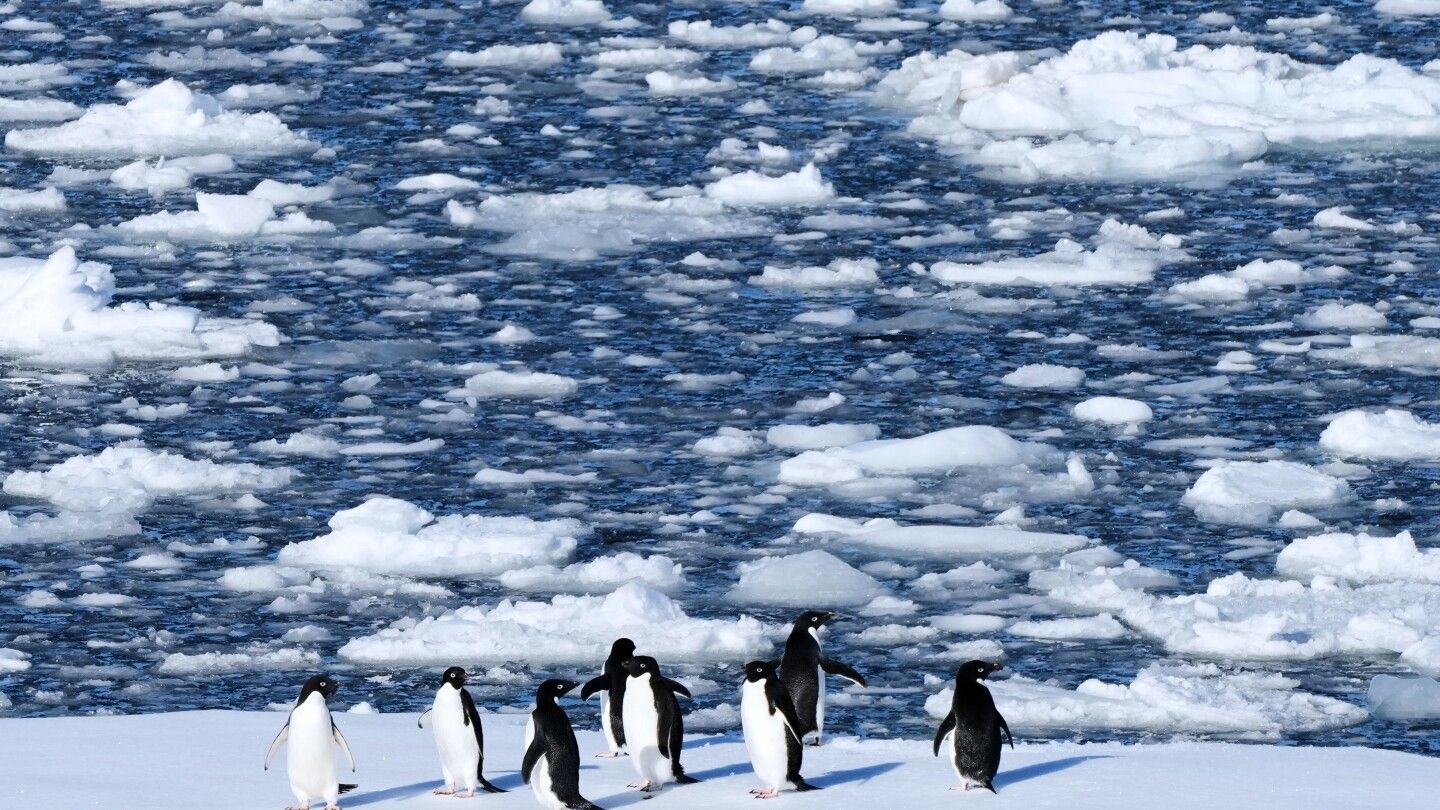
Warming temperatures are significantly altering the breeding behavior of penguins across the Antarctic Peninsula, one of the fastest-warming regions on the planet. New scientific findings reveal that penguins are now breeding earlier than at any other point in recorded history, a shift that could reshape Antarctic ecosystems and redefine the survival strategies of several species.
For decades, penguin breeding cycles have been carefully synchronized with environmental conditions such as ice cover, air temperature, and food availability. These natural rhythms ensured that chicks hatched when food was most abundant and weather conditions were favorable. However, accelerating climate change is disrupting these delicate biological clocks, forcing penguins to adapt rapidly to a changing environment.
The Antarctic Peninsula has experienced some of the most dramatic temperature increases in the Southern Hemisphere, with average annual temperatures rising by nearly $5 degrees Fahrenheit over the past 70 years. This rapid warming is linked to shrinking ice cover, altered ocean circulation, and changes in krill populations, which serve as a primary food source for many penguin species. Organizations such as the National Aeronautics and Space Administration (NASA) have documented these changes extensively through satellite monitoring and climate modeling, highlighting the broader implications for polar ecosystems and global climate stability at https://climate.nasa.gov.
A Decade of Monitoring Reveals Dramatic Behavioral Shifts
To better understand how penguins are responding to environmental changes, researchers deployed 77 automated cameras across 37 breeding colonies spanning the Antarctic Peninsula. These cameras captured images every hour over a ten-year period, providing one of the most comprehensive datasets ever assembled on penguin reproductive behavior.
The resulting analysis demonstrates a consistent trend toward earlier breeding, in some cases advancing by nearly two weeks compared to historical averages. This adjustment reflects penguins’ attempts to align their nesting and chick-rearing periods with earlier seasonal warming and shifting food availability. According to researchers, even small changes in breeding timing can significantly affect chick survival rates, especially when food sources fluctuate unpredictably.
These findings align with broader climate research conducted by the British Antarctic Survey, which has documented substantial changes in ice dynamics, snow accumulation, and ocean temperature across the region. Their ongoing research into polar climate systems underscores the urgency of understanding how wildlife responds to environmental stressors, as detailed at https://www.bas.ac.uk.
Winners and Losers in a Changing Climate
Not all penguin species are affected equally by rising temperatures. Some species may benefit temporarily from reduced ice cover, gaining easier access to feeding grounds and nesting sites. Gentoo penguins, for example, have shown population increases in certain areas, possibly due to their adaptability and flexible breeding strategies.
Conversely, species that depend heavily on stable sea ice, such as Adélie and emperor penguins, face growing challenges. Shrinking ice platforms reduce nesting areas and disrupt access to critical food supplies, leading to lower breeding success and higher chick mortality. Conservation organizations like the World Wide Fund for Nature (WWF) have raised alarms about the long-term consequences of these changes, emphasizing that penguin populations serve as sensitive indicators of ecosystem health. Their conservation efforts and research findings are detailed at https://www.worldwildlife.org.
The decline in Antarctic krill populations further complicates the situation. Krill thrive in cold, ice-rich waters, and their numbers have dropped significantly as ocean temperatures rise. Since krill form the foundation of the Antarctic food web, fluctuations in their abundance ripple upward, affecting penguins, seals, and whales alike. The National Oceanic and Atmospheric Administration (NOAA) tracks these changes closely, highlighting the interconnected nature of marine ecosystems at https://www.noaa.gov.
Long-Term Implications for Antarctic Ecosystems
The shift toward earlier breeding may initially appear to demonstrate resilience, but scientists caution that long-term outcomes remain uncertain. As climate change accelerates, environmental conditions may become increasingly unpredictable, pushing penguin species beyond their adaptive limits. Mismatches between breeding cycles and peak food availability could lead to reduced survival rates, threatening the stability of entire colonies.
Furthermore, these biological changes may signal broader disruptions across Antarctic ecosystems. Altered predator-prey relationships, changing migration patterns, and shifts in nutrient cycling could fundamentally reshape the region’s ecological balance. Researchers stress that continuous monitoring is essential to track these developments and inform conservation strategies.
By leveraging advanced monitoring technologies and international research collaborations, scientists aim to better understand how wildlife responds to climate stress. Their findings reinforce the urgency of global climate action, as the fate of Antarctic penguins is closely tied to broader environmental policies and emissions reductions worldwide.
As the planet continues to warm, penguins stand as powerful symbols of both resilience and vulnerability, highlighting the profound and far-reaching impacts of climate change on Earth’s most remote regions.