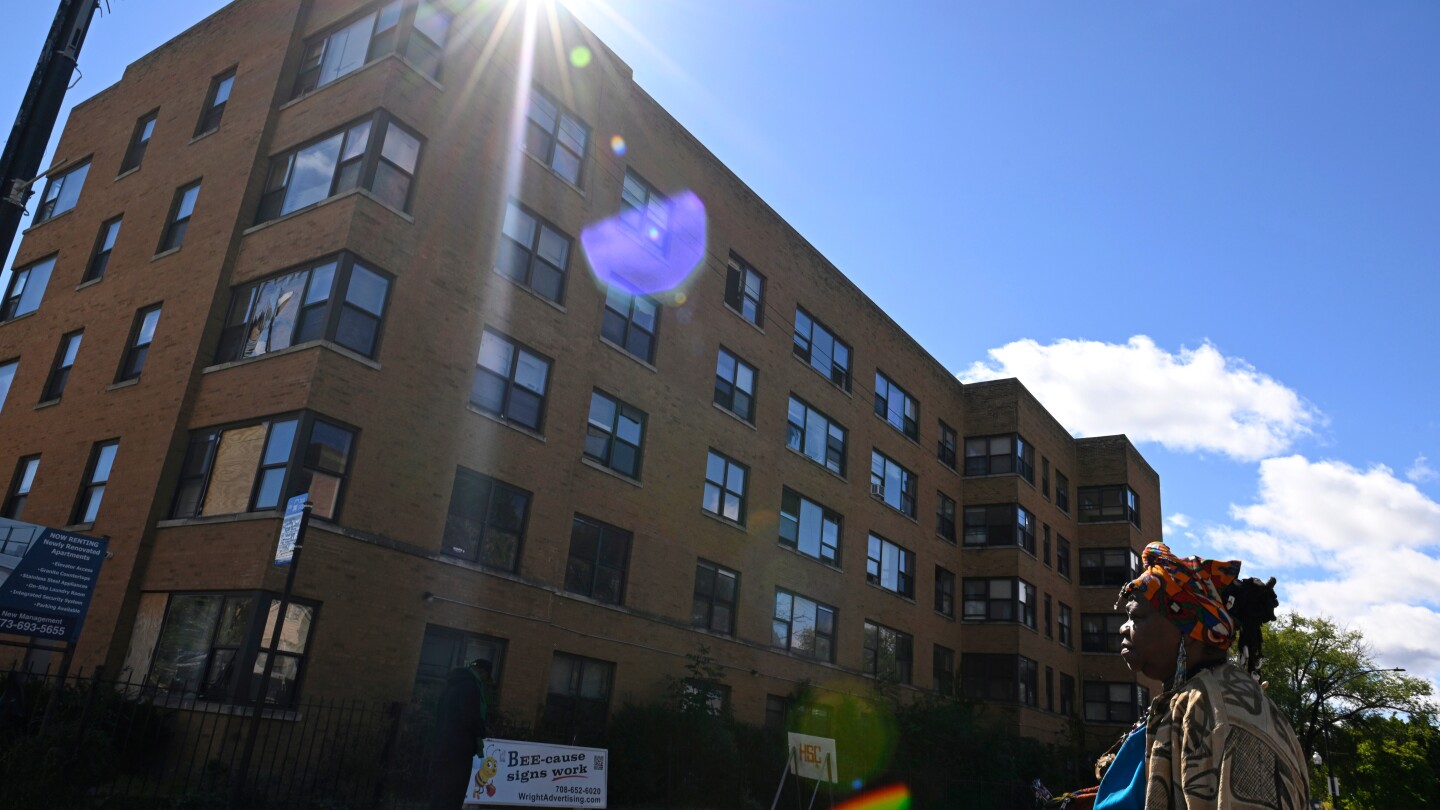
The immigration raid carried out in Chicago on September 30, 2025, initially presented as a decisive operation against Venezuelan gang activity, is now facing intense scrutiny following the release of court documents showing the primary target was not organized crime but squatters occupying vacant apartments. The newly disclosed records have ignited widespread debate about law enforcement transparency, constitutional protections, and the boundaries of federal immigration authority in urban communities across the United States.
The operation, which took place in a South Shore apartment complex, quickly became emblematic of the Trump administration’s aggressive immigration enforcement strategy. Dramatic footage released by the Department of Homeland Security depicted heavily armed agents rappelling from a Black Hawk helicopter, storming the rooftop, and detaining individuals with zip ties. The imagery suggested a large-scale crackdown on violent criminal organizations, particularly the Venezuelan gang Tren de Aragua. However, the court filings now indicate that federal agents were primarily acting on intelligence related to unauthorized occupants rather than gang activity.
Court Filings Contradict Official Statements
The court records reveal that the raid was conducted following consent from the building’s management, who allowed entry into apartments that were not legally leased. According to the documents, federal authorities entered the premises based on information that undocumented individuals were unlawfully occupying vacant units, effectively categorizing them as squatters. Nowhere in the official arrest records is there mention of gang affiliation as the basis for the raid.
This stark contradiction has intensified legal challenges surrounding immigration enforcement operations, particularly those involving warrantless searches. Advocacy groups argue that the tactics used in the Chicago raid reflect a broader pattern of aggressive enforcement methods that risk violating constitutional protections. Organizations such as the National Immigrant Justice Center (https://immigrantjustice.org) and the American Civil Liberties Union (https://www.aclu.org) have repeatedly emphasized the importance of upholding due process and safeguarding civil liberties, regardless of immigration status.
The unfolding case also intersects with ongoing litigation surrounding the 2022 Castañon Nava settlement, which restricts Immigration and Customs Enforcement from making arrests without proper warrants or probable cause. Legal experts contend that the Chicago operation could represent one of the most significant challenges yet to the federal government’s adherence to this agreement.
Residents Describe Fear and Uncertainty
Residents of the building described the raid as chaotic and deeply unsettling. Although the neighborhood struggles with poverty and infrastructure decay, many residents said they felt relatively safe prior to the operation. The sudden arrival of armed federal agents, helicopters overhead, and forced entry into multiple apartments shattered that sense of security.
Several U.S. citizens living in the complex were temporarily detained during the raid, despite having no connection to immigration violations. They were released after hours of questioning, but the experience left lasting emotional impact. Civil rights advocates warn that such incidents undermine community trust and discourage cooperation with local authorities.
Conditions inside the building further complicate the narrative. Residents reported broken elevators, persistent water leaks, and deteriorating hallways covered in graffiti. Yet many emphasized that these structural issues did not justify what they viewed as an excessive show of force. Housing advocacy organizations, including the National Low Income Housing Coalition (https://nlihc.org), argue that addressing housing insecurity through social policy rather than militarized enforcement would better serve vulnerable communities.
Broader Implications for Immigration Policy
The revelations surrounding the Chicago raid arrive at a time of intense national debate over immigration enforcement priorities. Federal agencies have increasingly focused on highly visible operations intended to demonstrate decisive action, yet critics argue that these efforts often blur the line between public safety and political messaging.
Legal analysts note that raids targeting squatters fall outside the traditional scope of federal immigration enforcement, which is primarily designed to address border security and serious criminal activity. The involvement of heavily armed tactical units in a case centered on unauthorized occupancy raises significant constitutional questions.
Policy experts from institutions such as the Migration Policy Institute (https://www.migrationpolicy.org) and the Brookings Institution (https://www.brookings.edu) emphasize that sustainable immigration solutions require balanced strategies combining enforcement, legal pathways, and humanitarian considerations. The Chicago incident, they argue, highlights the risks of prioritizing spectacle over substance in immigration operations.
As court proceedings continue, the case is expected to shape future interpretations of federal authority, warrant requirements, and the legal limits of immigration raids. The outcome could have lasting consequences not only for enforcement agencies but also for thousands of immigrant families living in urban centers across the United States.