An unexpected detour that shaped holiday music history
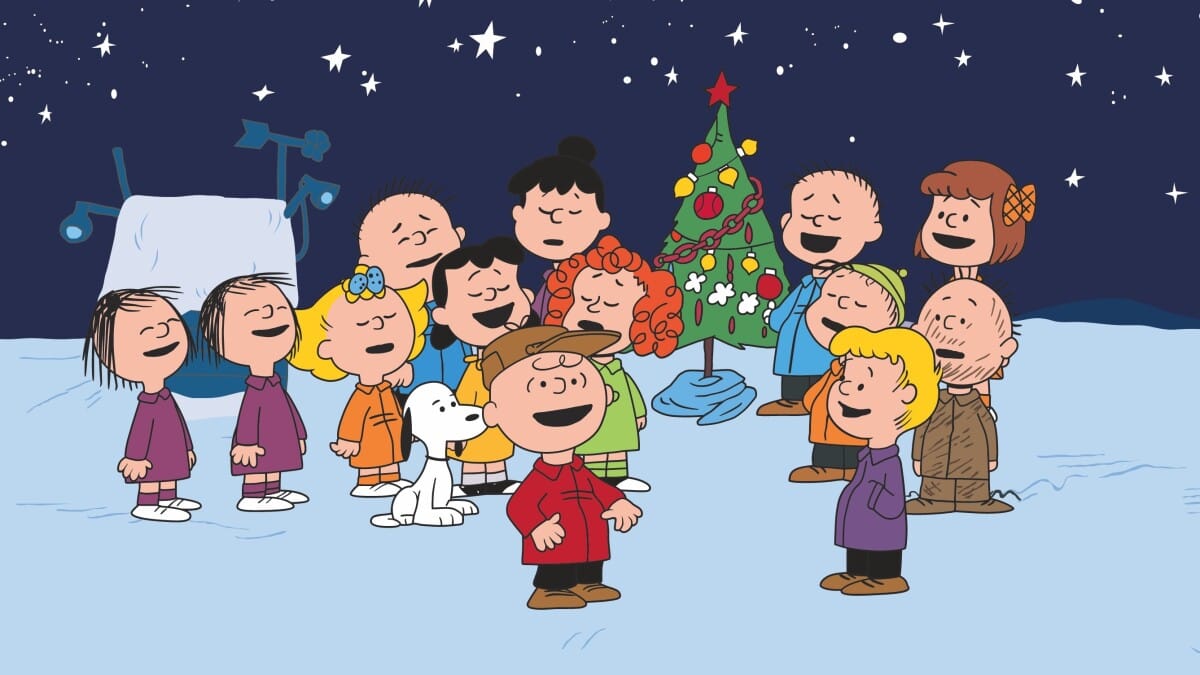
On a warm September evening in 1965, a group of children from a church choir in San Rafael, California, arrived expecting nothing more than a routine rehearsal. Among them was 11-year-old Dave Willat, unaware that the night would lead to a recording that would echo through generations of holiday celebrations. Instead of practicing hymns, the children were driven across the Golden Gate Bridge to a San Francisco studio, where they were handed lyrics moments before recording “Christmas Time Is Here,” a song destined to become inseparable from A Charlie Brown Christmas.
The animated television special, created by Charles M. Schulz, was still in production, and its creators were racing against time. The music, composed by jazz pianist Vince Guaraldi, would eventually help define the emotional tone of the special, blending childhood innocence with quiet melancholy. Today, the soundtrack remains one of the most recognizable holiday albums in American culture and continues to generate steady royalties across physical sales, digital downloads, and licensing.
Recording challenges and creative spontaneity
The now-famous song was not originally intended to feature vocals. Guaraldi had envisioned “Christmas Time Is Here” as an instrumental piece, but late production decisions led to hastily written lyrics and an improvised recording session. Studio outtakes preserved in later releases reveal multiple takes, missed cues, and laughter among the children, highlighting the informal nature of the process.
Despite the lack of rehearsal, the choir’s youthful tone became central to the song’s emotional impact. The relaxed atmosphere in the studio, fostered by Guaraldi’s familiarity with the choir director, allowed the children to feel at ease around professional musicians. That sense of comfort translated into a performance that continues to resonate decades later.
Today, the legacy of Schulz and his characters is preserved through institutions such as the Charles M. Schulz Museum, which documents the cultural influence of Peanuts and its music. The soundtrack’s ongoing relevance is also reflected in continued interest from collectors and jazz enthusiasts through platforms like the official Peanuts website and the Vince Guaraldi official archive.
Lasting cultural and personal impact
After the session, the children returned home with ice cream and $5 each, unaware of the confusion awaiting them. Many parents had not been informed of the trip, leading some to refuse permission for their children’s voices to be used. As a result, the choir had to return for additional sessions, further cementing their contribution to the final recording.
Now in his 70s, Willat rarely sings publicly, but recent reunions with fellow choir members have rekindled his interest in music. The enduring popularity of A Charlie Brown Christmas—still broadcast annually and streamed worldwide—has turned a spontaneous childhood experience into a permanent piece of American holiday tradition. The album’s continued commercial success and cultural relevance underscore how an unplanned evening in 1965 produced a sound that still defines Christmas for millions.