Seasoning food has traditionally been associated with flavor, but growing scientific evidence suggests it also plays a critical role in how effectively the body absorbs essential vitamins and micronutrients. Ingredients as common as black pepper and olive oil can transform the nutritional value of everyday meals by improving how nutrients are released, transported, and absorbed during digestion. This interaction between food structure and digestive biology is reshaping how researchers understand optimal nutrition.
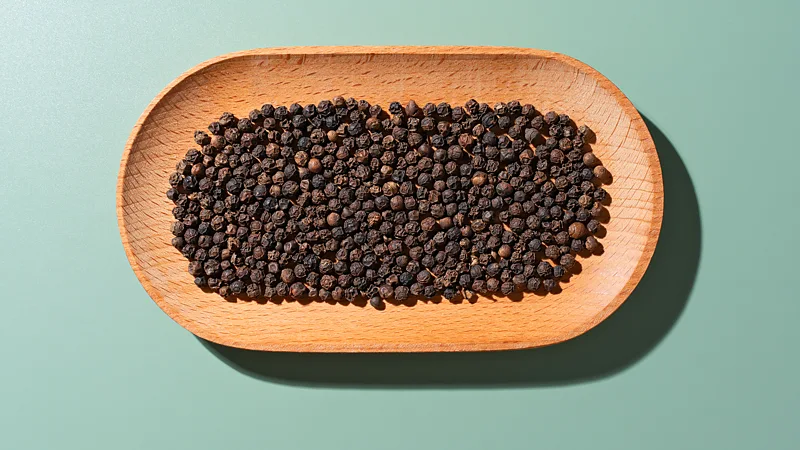
Black pepper, cultivated for more than 3,500 years, contains bioactive compounds that influence how nutrients cross the intestinal barrier. Olive oil, a staple of Mediterranean diets, provides lipid structures that help fat-soluble vitamins enter the bloodstream more efficiently. Together, they create a synergistic effect that can enhance the nutritional payoff of fruits, vegetables, and fortified foods.
How Food Structure Affects Vitamin Uptake
Nutrients are not absorbed simply because they are present in food. They are embedded within complex physical structures known as food matrices, made up of proteins, fibers, carbohydrates, and fats. For vitamins and minerals to become biologically available, they must first be released from this matrix and then dissolved in gastrointestinal fluids.
Fat-soluble vitamins such as A, D, E, and K require dietary fat to be absorbed properly. Without it, these vitamins may pass through the digestive system unused. Research summarized by the National Institutes of Health explains that fats are broken down into microscopic particles that encapsulate vitamins, allowing them to move through the intestinal environment and into the bloodstream.
Olive oil excels in this role because it forms larger and more stable micelles than many other fats, increasing the transport capacity for carotenoids and antioxidants. This mechanism helps explain why diets rich in olive oil and vegetables are consistently linked to improved cardiovascular and metabolic health.
Why Black Pepper Enhances Bioavailability
Black pepper contains piperine, a compound that alters intestinal transport activity. Some cells in the gut actively expel absorbed nutrients back into the digestive tract, limiting how much enters circulation. Piperine temporarily inhibits these transporters, allowing a greater proportion of vitamins and phytonutrients to remain in the bloodstream.
Studies conducted at institutions such as the Harvard T.H. Chan School of Public Health highlight how piperine enhances the absorption of compounds like curcumin and beta-carotene. This effect is particularly relevant for plant-based diets, where nutrients are often locked inside fibrous structures.
The combination of black pepper and dietary fat mirrors ancient culinary practices that unknowingly optimized nutrient delivery. Traditional preparations that mix spices with dairy or oils align closely with modern findings on digestive efficiency and nutrient bioavailability.
Implications for Diets, Supplements, and Public Health
For individuals with impaired nutrient absorption, including those with gastrointestinal disorders or age-related digestive decline, food-based strategies may offer meaningful benefits. Health guidance from the World Health Organization emphasizes that balanced diets remain the most effective way to meet micronutrient needs, with supplements recommended only in specific clinical contexts.
Emerging research is also influencing food innovation. Scientists are exploring how controlled fat droplets and spice-derived compounds can be incorporated into fortified foods to improve absorption without increasing calorie load. Regulatory discussions referenced by the U.S. Food and Drug Administration increasingly focus on bioavailability, not just nutrient content, as a marker of food quality.
For everyday consumers, the implications are practical and immediate. Pairing vegetables with olive oil–based dressings, adding black pepper to plant-rich meals, and consuming supplements alongside foods containing healthy fats can significantly improve nutrient uptake. These simple dietary choices may help maximize the health benefits of meals without altering portion sizes or relying on expensive interventions.
As nutritional science continues to evolve, the interaction between seasoning, fat, and digestion underscores a broader insight: how food is prepared can be just as important as what food is eaten.