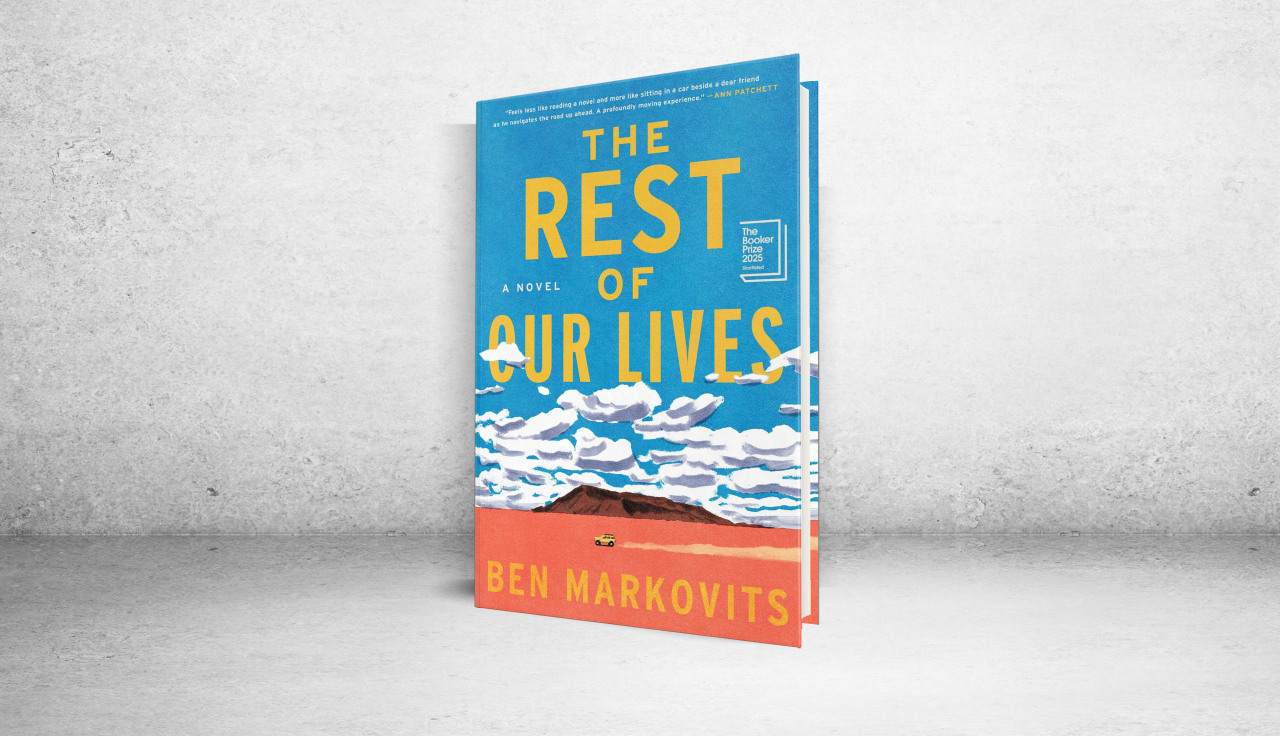
A Marriage Defined by Silence and Compromise
In The Rest of Our Lives, Ben Markovits presents a marriage shaped less by open conflict than by prolonged emotional restraint. Tom Layward, the novel’s narrator, introduces himself not through ambition or longing, but through a confession he delivers with remarkable detachment: his wife Amy’s affair more than a decade earlier. The revelation is not framed as a dramatic turning point but as a settled fact, one that has quietly determined the architecture of their shared life.
Tom’s response to betrayal is neither confrontation nor departure. Instead, he makes a private contract with himself, choosing to remain until his youngest child leaves for college. This internal agreement becomes the emotional backbone of the novel, revealing how endurance, rather than forgiveness, governs the relationship. Markovits uses this long-standing emotional truce to explore how modern marriages often survive through inertia rather than renewal, a theme that resonates within broader discussions of contemporary American fiction found in institutions such as the https://www.neh.gov.
An Unplanned Road Trip Across Emotional Terrain
When Tom drives his daughter Miriam to college in Pittsburgh, the act initially appears practical and restrained. Yet once she is settled, he does not return home. Instead, he continues westward, embarking on a road trip with no declared purpose and no clear destination. This physical movement mirrors Tom’s psychological drift, as if forward motion itself provides a temporary escape from emotional accountability.
As he crosses the country, Tom visits figures from his past, including a former girlfriend in Las Vegas and an estranged brother, turning the journey into a fragmented reckoning with unresolved relationships. These encounters are not cathartic; rather, they reinforce the novel’s central concern with emotional opacity. Tom’s reflections align with academic discussions on narrative interiority often examined in literary programs at universities such as https://www.columbia.edu, where the tension between action and introspection remains a focal point of modern narrative studies.
Mortality, Illness, and the Quiet Weight of Time
Underlying the journey is a persistent awareness of physical vulnerability. Tom experiences lingering symptoms associated with long-term illness, including dizziness and facial swelling, conditions that subtly remind him of his own mortality. His hospitalization near the Pacific coast is not dramatized as a crisis but presented as another institutional system that resists easy exits, echoing his marriage and career stagnation.
Markovits situates this personal reckoning within a distinctly American tradition of road narratives, yet he avoids romanticizing escape. Instead, the novel suggests that movement does not resolve emotional paralysis; it merely exposes it. This thematic restraint places The Rest of Our Lives alongside contemporary literary works recognized by organizations such as the https://thebookerprizes.com, where craftsmanship and psychological depth are increasingly emphasized.
By focusing on emotional restraint rather than transformation, Markovits crafts a novel that reflects the quiet realism of middle age, where choices are often defined by what is endured rather than what is pursued.