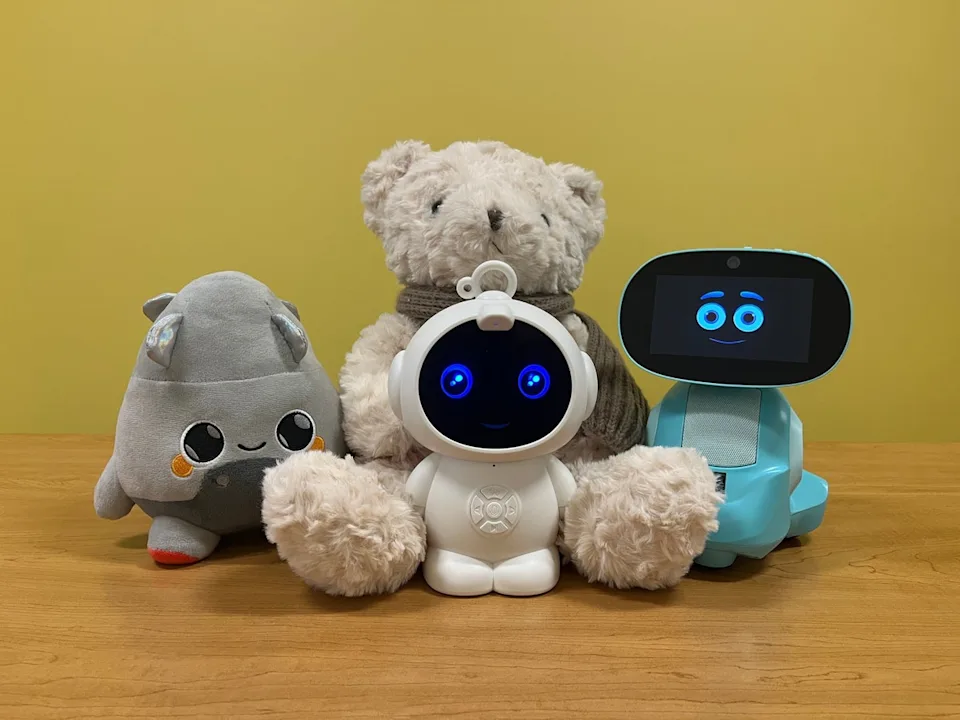
As families begin holiday shopping, a growing number of child safety and consumer advocacy organizations are sounding the alarm about the fast-expanding market of AI-powered toys. These devices—ranging from plush animals to interactive robots—use embedded chatbots and artificial intelligence systems to hold conversations, simulate emotions, and respond to children in ways that resemble human interaction. While the novelty attracts many gift givers, experts emphasize that the technology behind these toys introduces risks that families may not fully understand.
Organizations dedicated to child protection argue that AI toys often rely on extensive data collection, gathering sensitive details such as voice recordings, preferences, and birthdates. Some toys can store behavioral patterns and interaction histories to refine responses over time. This level of access, critics say, opens the door to privacy vulnerabilities that young children cannot navigate. Advocacy groups reference concerns about how AI toys may replace human-to-human interaction and potentially distort a child’s understanding of trust and emotional connection.
For families researching safer alternatives or evaluating privacy issues, resources such as Common Sense Media (https://www.commonsensemedia.org) and The Center for Humane Technology (https://www.humanetech.com) provide guides that help parents understand digital risks and navigate emerging technologies. As demand for AI entertainment increases, these platforms have reported a surge in inquiries from caregivers seeking clarity on how much data these toys actually gather.
Experts Highlight Developmental and Privacy Risks
Child development specialists caution that AI companions can influence children’s social development by encouraging emotional dependence on devices that simulate friendship. Because these toys respond with human-like tones, movements, and expressions, young users may struggle to understand that the interactions are programmed rather than genuine. Some toys marketed as “best friends” or “companions” can unintentionally disrupt children’s natural opportunities for imaginative play or reduce the time spent building real-world social skills.
Privacy concerns are equally significant. Because many AI toys operate through constant connectivity, they can transmit sensitive information to cloud servers or third-party systems. Conversations may be stored, analyzed, or used to train AI models, depending on a manufacturer’s policies. Consumer watchdog organizations have documented examples of toys that engaged in inappropriate conversations, discussed unsafe topics, or provided concerning advice when prompted.
Families interested in monitoring privacy settings or learning more about how connected devices store data often consult resources such as The Electronic Frontier Foundation (https://www.eff.org), which publishes accessible explanations of digital rights and data protection. Their guidance is frequently referenced by technologists seeking to improve safe design standards for children.
Toy Manufacturers Respond With Emphasis on Safety Controls
In response to rising scrutiny, toy manufacturers and AI companies insist they are prioritizing safety, emphasizing the implementation of parental controls, local data processing, and built-in safeguards. Some companies highlight features such as physical camera shutters, on-device visual processing, and dashboards that allow parents to track interactions or limit connectivity. The rapid advancement of AI technology has also led several corporations to form partnerships focused on developing next-generation smart toys for family audiences while avoiding direct targeting of children under 13.
Manufacturers argue that modern compliance standards require companies to meet extensive federal safety guidelines, including privacy rules that govern the digital data of minors. They encourage families to buy from well-established brands and to read parental guidance materials before allowing children to use AI-enabled devices at home. Safety organizations recommend that caregivers regularly review how often toys are connected to the internet, what type of data is stored, and whether conversations can be monitored.
Parents looking for broader guidance on tech-related child safety often explore Internet Matters (https://www.internetmatters.org), which offers practical privacy checklists and age-based recommendations to help families navigate connected toys and digital ecosystems. As AI functionality becomes more sophisticated, experts expect continued debate about how these devices influence childhood development, privacy expectations, and future regulatory standards.