EPA expands contaminant list amid rising concerns
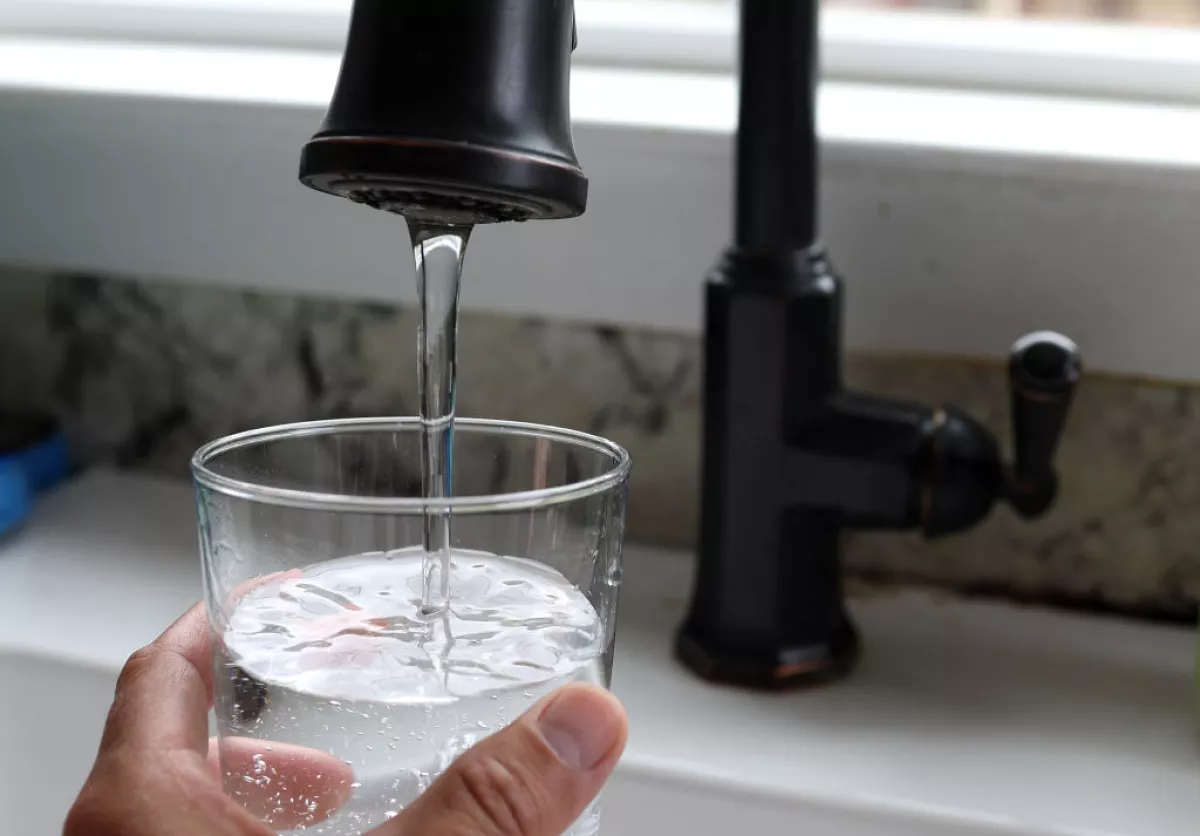
The U.S. government has taken a notable step in addressing emerging risks in drinking water by adding microplastics and pharmaceutical residues to a draft list of contaminants under review. The decision, announced by the Environmental Protection Agency, reflects growing public concern about substances that may be present in everyday water supplies but remain largely unregulated.
Officials described the move as a milestone in recognizing potential threats linked to modern pollution, particularly those associated with plastic degradation and pharmaceutical waste. Microplastics—tiny particles resulting from the breakdown of larger plastic materials—have been detected in water systems worldwide, raising questions about their long-term impact on human health.
The updated draft list, part of a recurring process mandated by federal law, serves as a foundation for identifying contaminants that may require future regulation. While inclusion does not automatically trigger immediate enforcement, it signals an increased level of scrutiny and opens the door for scientific evaluation and policy development.
Health initiatives and scientific uncertainty
In parallel with the EPA’s announcement, the Department of Health and Human Services has launched a $144 million research initiative aimed at understanding the presence and effects of microplastics in the human body. The program seeks to develop tools for detecting, measuring, and potentially removing these particles from drinking water systems.
Researchers working within frameworks such as the Advanced Research Projects Agency for Health are focusing on key questions surrounding exposure and biological impact. Despite mounting evidence linking microplastics to potential health concerns, scientists emphasize that more data is needed to establish direct causation and determine safe exposure levels.
Pharmaceutical contaminants, also included in the draft list, present a separate but related challenge. Trace amounts of medications can enter water supplies through wastewater systems, creating complex mixtures that are difficult to monitor and regulate. Efforts to track these substances often rely on databases like those maintained by the U.S. Geological Survey, which provide insight into environmental contamination patterns.
The combination of these emerging pollutants underscores the evolving nature of water safety, as regulators and scientists attempt to keep pace with new forms of environmental exposure.
Debate over regulation and long-term impact
The inclusion of microplastics and pharmaceuticals has sparked debate among environmental advocates, policymakers, and industry stakeholders. Some experts view the move as a necessary first step toward stronger protections, while others argue it falls short of meaningful regulatory action.
Critics point out that contaminants can remain on such lists for years without leading to enforceable standards. The process of gathering data, assessing risks, and implementing regulations can take a decade or more, delaying potential safeguards for public health.
Advocacy groups have urged the government to go further by incorporating microplastics into monitoring frameworks such as the Unregulated Contaminant Monitoring Rule, which would require systematic data collection across water systems. Such measures could provide a clearer picture of how widespread these particles are and inform future policy decisions.
At the same time, regulatory priorities continue to evolve as agencies balance scientific uncertainty with public demand for action. Data compiled by organizations including the World Health Organization highlights the global scope of the issue, reinforcing the need for coordinated efforts to address contaminants that cross national boundaries.