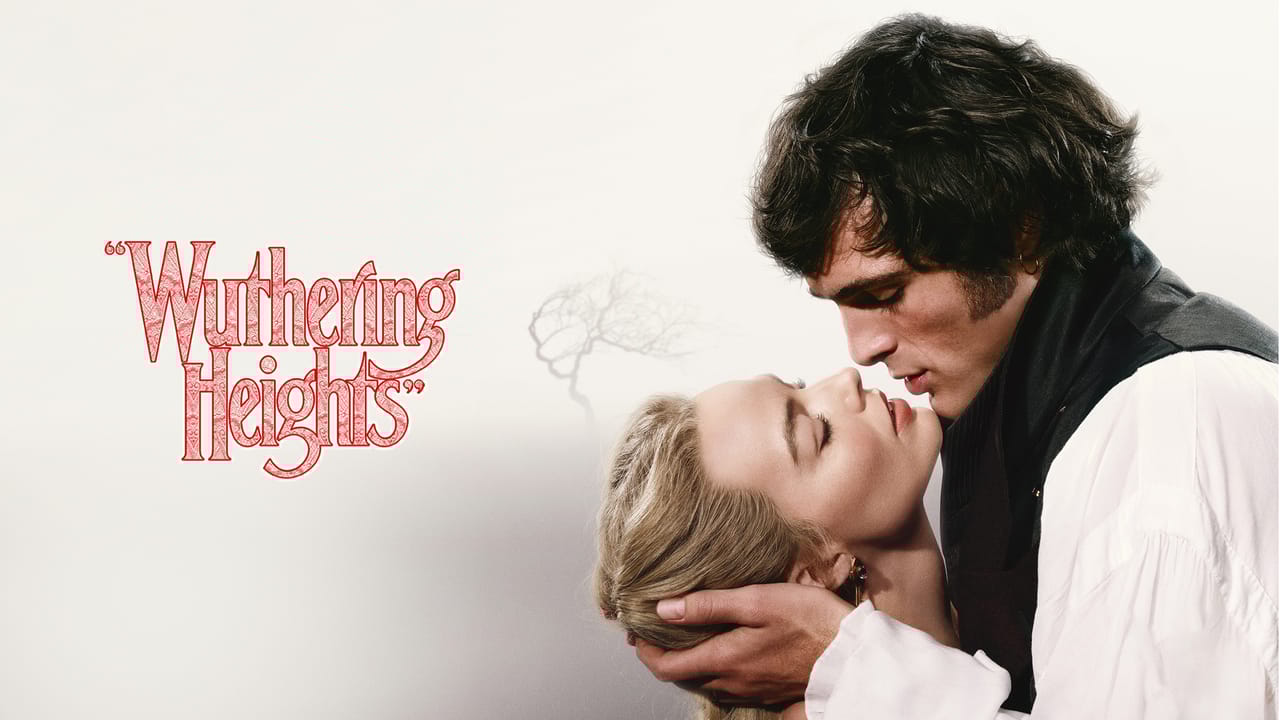
Emerald Fennell’s latest film adaptation of Wuthering Heights delivers spectacle, provocation and unapologetic emotional excess, but it also raises fresh questions about whether visual extravagance can replace the raw psychological force of Emily Brontë’s enduring novel. The English filmmaker, known for her audacious storytelling style, revisits the windswept tragedy of Catherine Earnshaw and Heathcliff with a boldness that is impossible to ignore.
Fennell, who previously drew attention for her stylized thriller Saltburn, approaches Wuthering Heights not as a restrained period drama but as a feverish exploration of obsession, sensuality and revenge. The result is a film that amplifies the novel’s intensity through modern aesthetics, daring performances and deliberate anachronisms, all while maintaining the skeletal structure of Brontë’s gothic narrative.
A Gothic Romance Amplified for Modern Audiences
Set in late 18th-century Yorkshire, the story follows Catherine Earnshaw and Heathcliff from childhood companions on the moors to doomed lovers divided by class, pride and social expectation. Margot Robbie portrays Catherine as volatile and fiercely independent, while Jacob Elordi plays Heathcliff with brooding intensity and simmering resentment.
As in Brontë’s novel, Catherine ultimately marries Edgar Linton, choosing security and status over passion. Heathcliff disappears, only to return years later with significant wealth and a calculated plan for emotional and financial retaliation. Though the film remains faithful to these narrative beats, Fennell heightens the romantic tension through overt sensuality and visually charged sequences that depart from the restraint typical of literary adaptations.
Rather than emphasizing quiet longing, the film frames Catherine and Heathcliff’s relationship as explosive and physical. Rain-soaked encounters, dramatic confrontations and stylized imagery transform their bond into something closer to operatic spectacle. The intention appears to be clear: to demonstrate that this love story transcends its historical setting and speaks directly to contemporary audiences.
Lavish Design and Contemporary Influences
One of the film’s defining features is its production design. Interiors gleam with striking visual flourishes, including bold color palettes and fashion choices that blur the line between period authenticity and runway fantasy. Catherine’s wardrobe evolves into a parade of statement gowns that evoke red carpet glamour as much as Georgian aristocracy.
The soundtrack further signals Fennell’s modern reinterpretation. Songs by Charli XCX underscore key emotional moments, reinforcing the director’s desire to collapse centuries and connect the 18th-century narrative to 21st-century sensibilities. The juxtaposition of gothic landscapes with contemporary pop music creates an atmosphere that feels intentionally disorienting.
Such stylistic ambition distinguishes this version from earlier cinematic interpretations, including the 1939 adaptation directed by William Wyler. While classic adaptations leaned into shadowy realism and restrained melodrama, Fennell opts for flamboyance, saturation and emotional exaggeration. The moors remain wild and foreboding, but they now serve as a backdrop for cinematic indulgence rather than austere tragedy.
Passion, Power and the Limits of Spectacle
Despite its visual confidence, the film’s emotional resonance has sparked debate. At its core, Wuthering Heights is a meditation on destructive love, social hierarchy and generational trauma. Heathcliff’s ambiguous origins and outsider status have long fueled discussions about race and identity within Victorian literature. The novel famously describes him as dark-skinned and foreign, leading to decades of interpretation regarding his background and symbolic role.
Yet, as in many previous adaptations, Heathcliff is once again portrayed by a white actor. This creative decision underscores the tension between innovation and convention within the film. While Fennell disrupts aesthetic norms, certain casting choices remain rooted in tradition.
Financially, the film arrives at a moment when prestige literary adaptations continue to command global box office attention. Period dramas with recognizable stars frequently generate production budgets exceeding $50 million, with marketing campaigns that can add another $30 million or more in global promotional spending. The commercial viability of such projects depends not only on critical acclaim but also on star power and visual distinctiveness—qualities this adaptation undeniably possesses.
Ultimately, Fennell’s Wuthering Heights is less concerned with subtle psychological excavation and more invested in grand gestures. It celebrates intensity, spectacle and romantic extremity, presenting Catherine and Heathcliff as larger-than-life figures locked in a cycle of desire and vengeance. Whether the film achieves the profound emotional depth of Brontë’s original may remain contested, but its ambition ensures that this gothic tale once again commands cultural conversation in theaters worldwide.