A new wave of coastal innovation is reshaping how infrastructure interacts with nature along South Florida’s waterways. In places like Pompano Beach, marine construction projects are moving beyond traditional seawalls, introducing eco-friendly designs that aim to restore marine ecosystems while still protecting valuable coastal properties.
At the center of this transformation are hybrid solutions that combine structural resilience with environmental restoration. By integrating mangrove planters and textured surfaces into seawalls, engineers and environmental designers are attempting to rebuild habitats that were lost to decades of coastal development.
Rethinking Coastal Infrastructure Design
For years, seawalls have been built primarily with durability and flood protection in mind. Traditional materials like smooth concrete, steel, or vinyl create a hard boundary between land and water, but they also eliminate the natural intertidal zones that once supported diverse marine life.
Experts in fields like marine biology emphasize that these flat, featureless surfaces lack the complexity needed for organisms to thrive. Without crevices, textures, or organic structures, species such as oysters, crabs, and juvenile fish struggle to find shelter or feeding grounds.
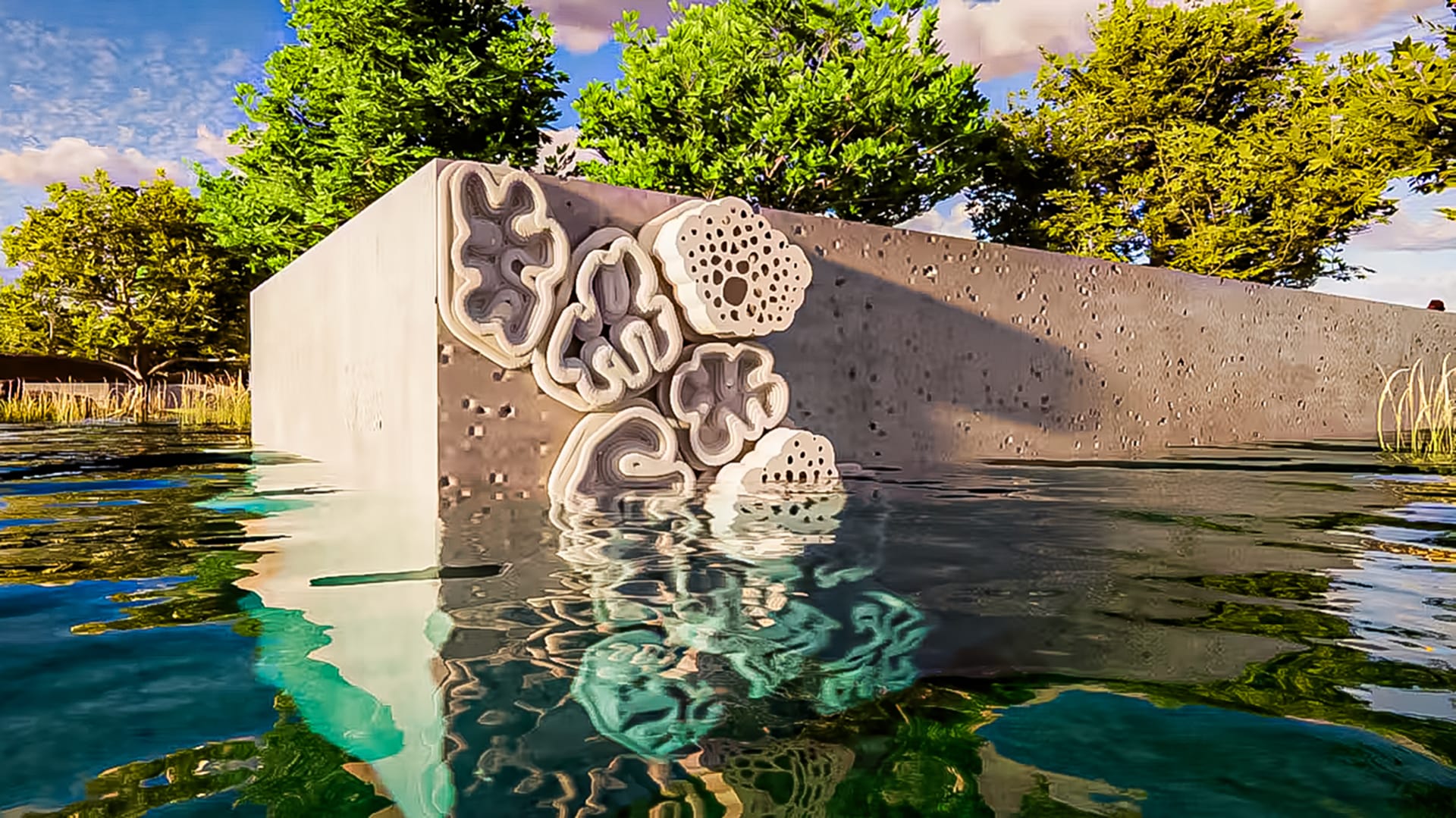
New designs are changing that paradigm. Inspired by natural ecosystems like mangrove ecosystems, modern seawalls now incorporate rough surfaces, grooves, and modular add-ons that mimic roots and reefs. These features create microhabitats that can support biodiversity even in heavily urbanized canals.
This shift reflects a broader movement toward sustainable coastal engineering, where infrastructure is expected to serve both human and ecological needs.
Mangrove Planters and Habitat Restoration
One of the most promising innovations is the introduction of mangrove planters directly attached to seawalls. These structures allow mangrove trees to grow vertically along artificial coastlines, reintroducing a critical species that plays a major role in shoreline stability and ecosystem health.
Mangroves are widely recognized for their ability to reduce erosion, improve water quality, and provide shelter for marine life. According to organizations like the <a href=”https://www.noaa.gov/”>National Oceanic and Atmospheric Administration</a>, mangrove habitats are essential for maintaining coastal resilience and supporting fisheries.
In addition to mangroves, textured seawall surfaces can encourage the growth of oyster populations, which act as natural water filters. Oysters help remove pollutants and improve clarity, contributing to healthier aquatic environments.
Research initiatives from institutions such as the <a href=”https://www.ku.edu/”>University of Kansas</a> are helping refine these designs, ensuring they balance engineering performance with ecological benefits. Meanwhile, environmental frameworks promoted by the <a href=”https://www.epa.gov/”>Environmental Protection Agency</a> highlight the importance of integrating nature-based solutions into urban planning.
A Growing Market for Sustainable Shorelines
As awareness of environmental degradation increases, demand for eco-conscious coastal solutions is expanding among both private homeowners and local governments. Rising concerns about declining fish populations, water pollution, and climate change have accelerated interest in alternatives to conventional seawalls.
Urban coastlines, once considered purely functional spaces, are now being reimagined as opportunities for restoration. Initiatives supported by groups like the <a href=”https://www.nature.org/”>The Nature Conservancy</a> promote the idea that infrastructure can actively contribute to ecosystem recovery rather than simply minimizing damage.
This approach also carries economic implications. Properties along canals and waterfronts derive much of their value from water quality and natural beauty. By investing in environmentally friendly designs, stakeholders are not only protecting their assets from storms and erosion but also enhancing the long-term sustainability of their surroundings.
The transformation of South Florida’s “forgotten edge” signals a broader shift in how cities approach development in vulnerable coastal regions. As these innovations continue to evolve, they offer a model for balancing human needs with the preservation of marine ecosystems in an era of rapid environmental change.