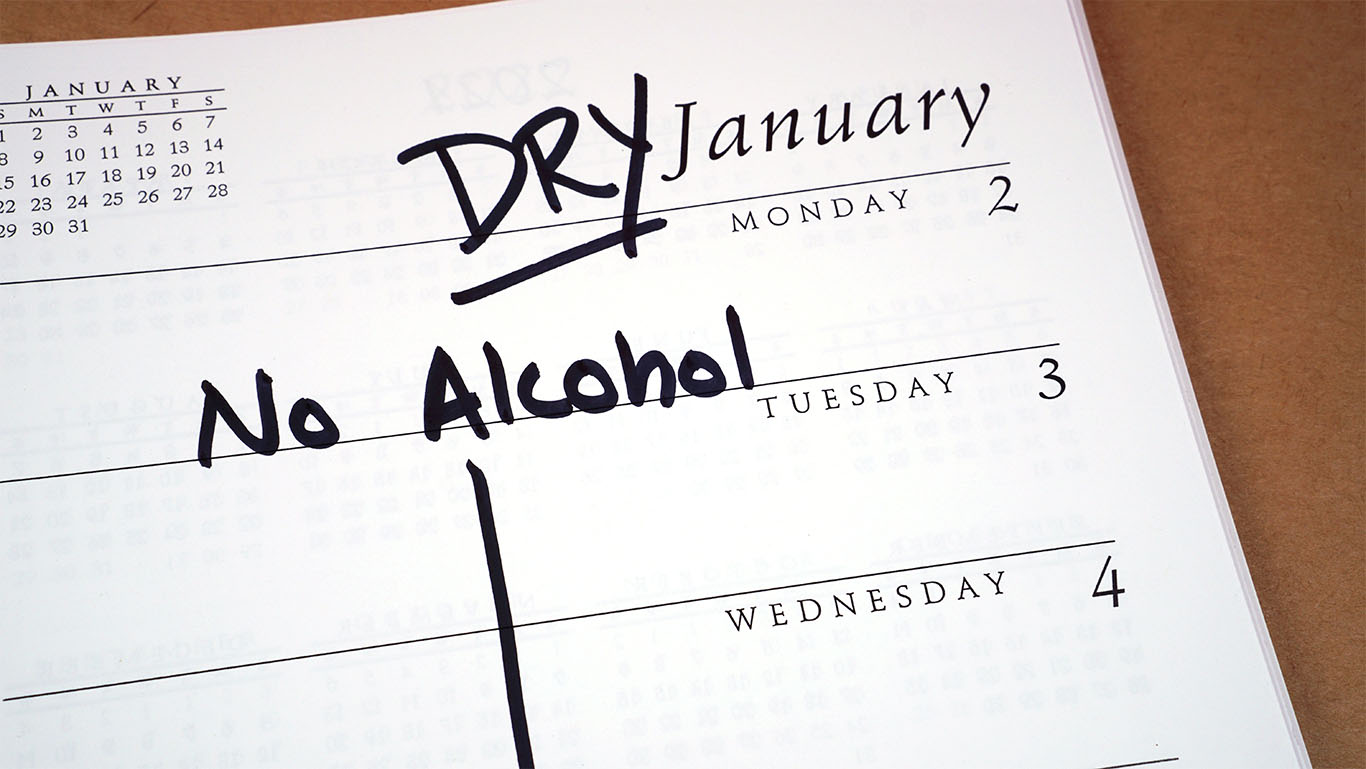
The beginning of January has increasingly become a symbolic reset point for millions of people worldwide, and one of the most visible expressions of that shift is Dry January. What started as an individual decision to stop drinking alcohol for one month has evolved into a widely recognized wellness movement that intersects with public health, lifestyle awareness, and changing social norms around alcohol consumption. Today, Dry January is no longer limited to personal discipline; it reflects a broader cultural reassessment of alcohol’s role in daily life.
From Personal Experiment to Structured Challenge
Dry January traces its roots to a simple question: what happens when alcohol is removed from daily routines for an entire month? Over time, that curiosity transformed into an organized challenge supported by behavioral science and community engagement. Health organizations have increasingly emphasized that even temporary abstinence can help individuals better understand their relationship with alcohol, particularly when paired with education on long-term health outcomes.
Medical research institutions such as the National Institutes of Health have documented how alcohol affects sleep patterns, metabolic function, and cardiovascular health, reinforcing why short-term abstinence can lead to noticeable physical improvements. Participants frequently report increased energy levels, improved sleep quality, and better exercise recovery, changes that often encourage longer-term behavioral shifts rather than a simple return to previous habits.
Health Awareness and Changing Drinking Habits
Dry January has gained momentum alongside broader changes in drinking behavior, especially among younger adults. Public health data increasingly suggest a gradual decline in regular alcohol consumption, driven by heightened awareness of mental health, physical fitness, and preventive care. Guidance from organizations like the Centers for Disease Control and Prevention highlights how reduced alcohol intake lowers risks associated with liver disease, hypertension, and certain cancers, helping explain why temporary abstinence initiatives resonate with health-conscious audiences.
Beyond physical health, the challenge has also influenced social conversations. Choosing not to drink for a month has become more socially accepted, reducing pressure in professional and personal settings. This cultural shift aligns with global health recommendations promoted by the World Health Organization, which has consistently called attention to alcohol-related harm as a major, yet preventable, public health concern.
A Cultural Shift With Long-Term Impact
What sets Dry January apart from short-lived wellness trends is its ability to spark long-term change. Many participants use the month as a reference point to reassess moderation, set new boundaries, or eliminate alcohol altogether. Clinical insights shared by institutions such as the Mayo Clinic indicate that structured breaks from alcohol can help recalibrate tolerance levels and improve self-awareness, making healthier choices more sustainable throughout the year.
The continued growth of Dry January reflects a deeper transformation in how people define well-being. Rather than focusing solely on restriction, the movement emphasizes empowerment, informed choice, and community support. As more individuals view alcohol-free periods as a proactive health decision rather than a sacrifice, Dry January continues to expand beyond its original timeframe, shaping global attitudes toward balance, prevention, and long-term wellness.