Global markets recoiled for a second consecutive session as investors grappled with the possibility that the expanding conflict involving Iran could evolve into a prolonged and destabilizing war. Mounting geopolitical uncertainty sent equities sharply lower, boosted energy prices, and reignited fears that inflation could remain stubbornly high in the months ahead.
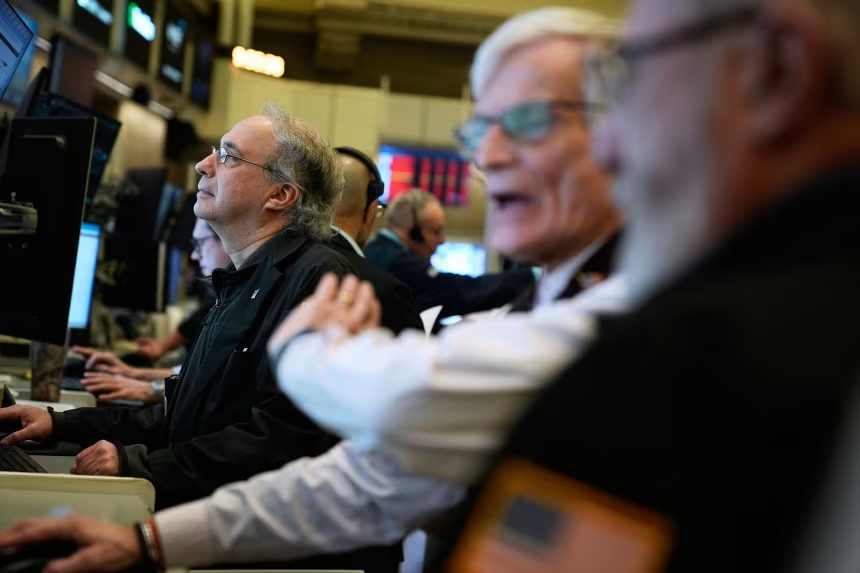
Shortly after the opening bell, the Dow Jones Industrial Average dropped 1,140 points, a decline of 2.33%. The S&P 500 slid 2.1%, while the Nasdaq Composite, heavily weighted toward technology stocks, also retreated 2.1%. Market volatility intensified, with the Cboe Volatility Index — often referred to as Wall Street’s fear gauge — surging 22% to its highest reading in three months.
Global Markets Slide as Conflict Deepens
European and Asian stocks mirrored the selloff in the United States. The pan-European Stoxx 600 fell 3.2%, marking its steepest daily loss in weeks. Japan’s Nikkei 225 dropped 3.06%, and South Korea’s Kospi plunged 7.24%, its sharpest fall since April. South Korean markets had been closed the previous day for a public holiday, amplifying the reaction once trading resumed.
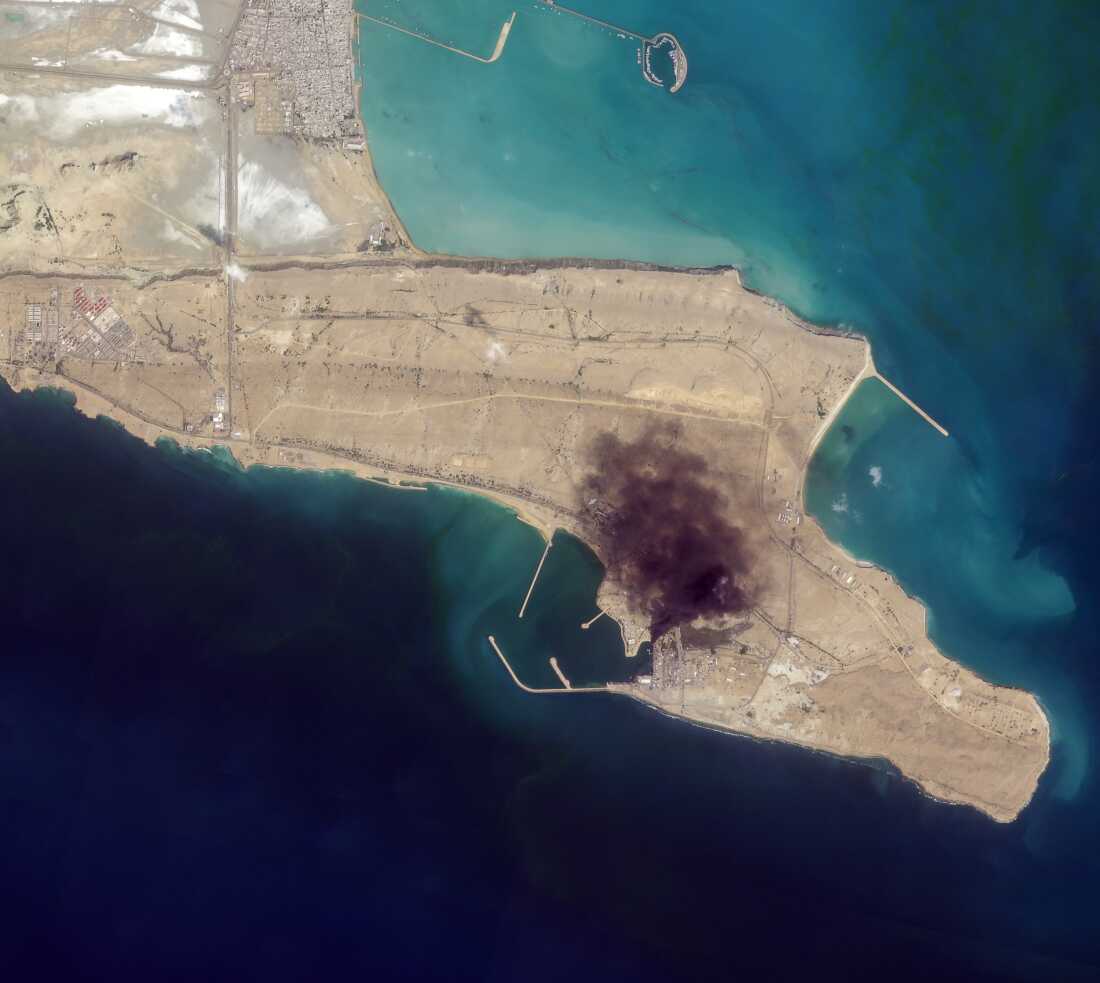
Escalating military operations in the Middle East added to investor unease. Israel reported conducting simultaneous strikes in Tehran and Beirut, targeting Iranian military infrastructure and Hezbollah positions. Meanwhile, heightened security concerns prompted the evacuation of non-emergency US government personnel from several regional countries.
The White House signaled that the duration of military engagement remains uncertain. In a public letter posted on the official site of the White House, President Donald Trump indicated that the full scope and timeline of operations could not yet be determined, underscoring the unpredictability confronting financial markets.
Oil Prices Jump, Inflation Concerns Resurface
Energy markets reacted swiftly to the threat of broader disruption. Iran warned it could target vessels attempting to pass through the Strait of Hormuz, a strategic corridor through which nearly 20% of global oil consumption flows. Shipping operators and insurers have grown increasingly cautious about navigating the region amid active hostilities.
US crude oil prices climbed 8% to $76.91 per barrel after advancing 6.3% the previous session. Brent crude, the global benchmark tracked by CME Group, surged 7.6% to $83.65 per barrel, reaching its highest level since July 2024. Gasoline prices in the United States rose 11 cents to $3.11 per gallon.
Higher energy costs threaten to complicate the inflation outlook. Investors fear that sustained increases in oil and fuel prices could push consumer prices upward again, delaying anticipated interest rate cuts. The US Dollar Index gained 0.98% on expectations that inflationary pressures might keep policy tighter for longer.
According to monetary policy updates available through the Federal Reserve, officials have repeatedly emphasized that inflation trends will determine the path of rate adjustments. A prolonged geopolitical conflict that lifts commodity prices could alter those projections significantly.
Safe Havens and Commodities Show Mixed Moves
While equities declined, traditional safe-haven assets delivered uneven signals. The yield on the 10-year US Treasury note rose as investors sold bonds, reflecting concern that inflation fueled by energy costs could erode fixed-income returns. The dollar strengthened nearly 1.8% for the week, buoyed by expectations of tighter monetary conditions.
Gold prices, however, moved lower by 5%, reversing gains from the prior session when the metal had reached a one-month high. Analysts attributed the drop to volatile positioning and profit-taking rather than diminished geopolitical risk.
Natural gas markets experienced dramatic swings. European natural gas futures surged 24% after jumping 38% a day earlier, highlighting fears of supply disruptions. In the United States, natural gas futures rose 6.3% following a 3.5% increase the previous session. Diesel futures posted even steeper gains, climbing 13% after nearly a 12% advance the day before, intensifying concerns about transportation and logistics costs.
Market participants continue monitoring developments closely, with trading volumes elevated and price swings reflecting the fragile balance between geopolitical risk and economic resilience.