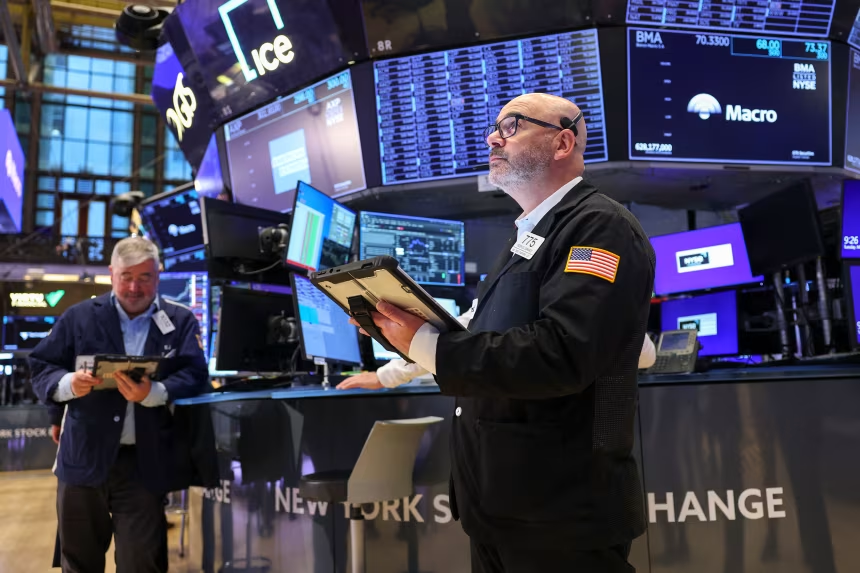
Stocks slide deeper into correction territory
U.S. equities extended their downward trajectory as investor anxiety intensified, pushing major indices into correction territory. The Dow Jones Industrial Average dropped nearly 800 points in a single session, closing about 10% below its recent peak and officially entering a correction phase. The S&P 500 and Nasdaq also recorded notable losses, both reaching their lowest levels in months.
The technology-heavy Nasdaq has been particularly vulnerable, falling more than 12% from its previous high. Analysts tracking Nasdaq market performance point out that tech stocks tend to react more sharply to shifts in interest rates and economic expectations, making them especially sensitive during periods of uncertainty.
This sustained decline reflects growing concern about inflation, geopolitical instability and the broader economic outlook. The S&P 500 has now posted five consecutive weeks of losses, marking its longest losing streak in years and reinforcing the sense that market volatility is becoming entrenched.
Oil prices drive inflation fears and volatility
A major catalyst behind the market’s decline is the rapid increase in oil prices, fueled by ongoing conflict in the Middle East. Energy markets have reacted strongly to supply disruptions, with Brent crude climbing above $110 per barrel and U.S. crude approaching $100 per barrel.
Data trends aligned with global oil supply dynamics suggest that tightening supply conditions are amplifying price pressures, which in turn are feeding inflation concerns. As energy costs rise, businesses and consumers alike face higher expenses, complicating the economic outlook.
Investors are increasingly skeptical about how quickly the conflict can be resolved, and this uncertainty is translating into heightened market volatility. The direct relationship between oil prices and equity performance has become more pronounced, with rising crude costs often coinciding with falling stock valuations.
This dynamic is also influencing currency markets, where the U.S. dollar has strengthened modestly as investors seek relative safety. However, even traditional defensive positions are offering limited reassurance amid the scale of the current disruptions.
Rising yields and investor sentiment shift
Bond markets are also reflecting the changing economic landscape, with yields climbing as investors adjust expectations for prolonged inflation and higher interest rates. The yield on the 10-year U.S. Treasury has moved above 4.4%, while the 30-year yield has approached the critical 5% level.
Figures associated with U.S. Treasury yields indicate that borrowing costs are rising across the board, which can dampen economic activity and reduce the attractiveness of equities. Higher yields often draw capital away from stocks, further contributing to market declines.
Investor sentiment has shifted noticeably, with fear indicators signaling heightened caution. Measures such as the Fear and Greed index have dropped into extreme fear territory, reflecting widespread unease about the trajectory of markets.
Cryptocurrencies have not been immune to the downturn either, with major digital assets declining alongside traditional markets. This broad-based weakness underscores how deeply interconnected global financial systems have become, especially during periods of geopolitical stress and economic uncertainty.