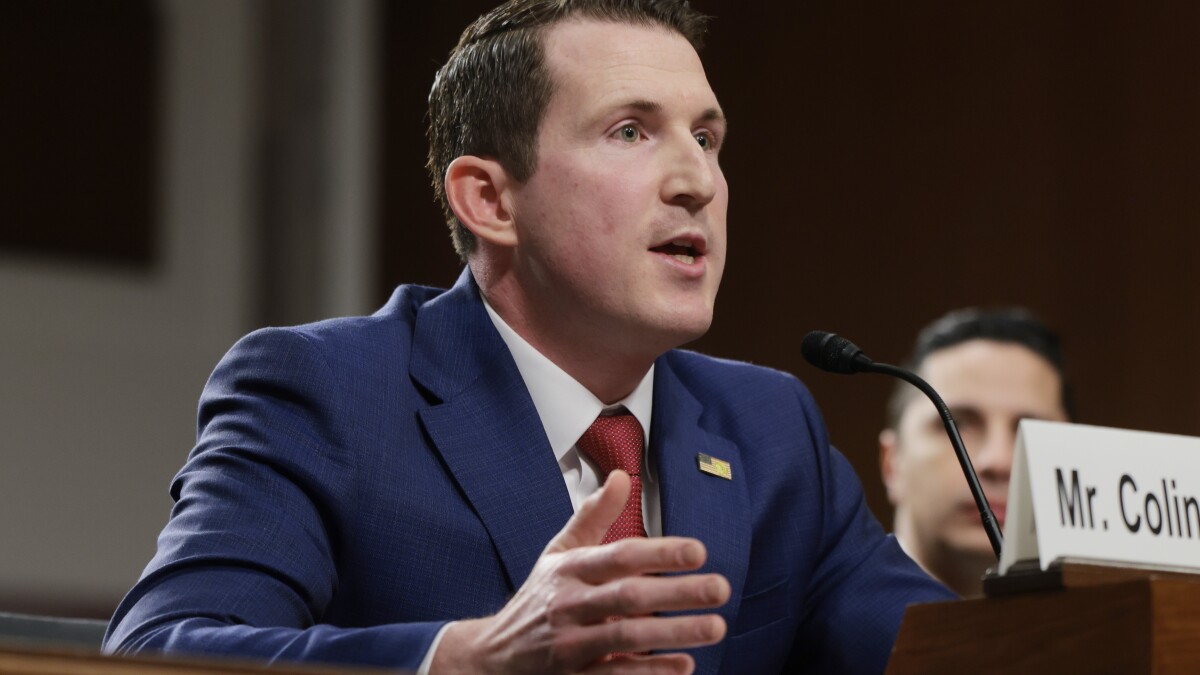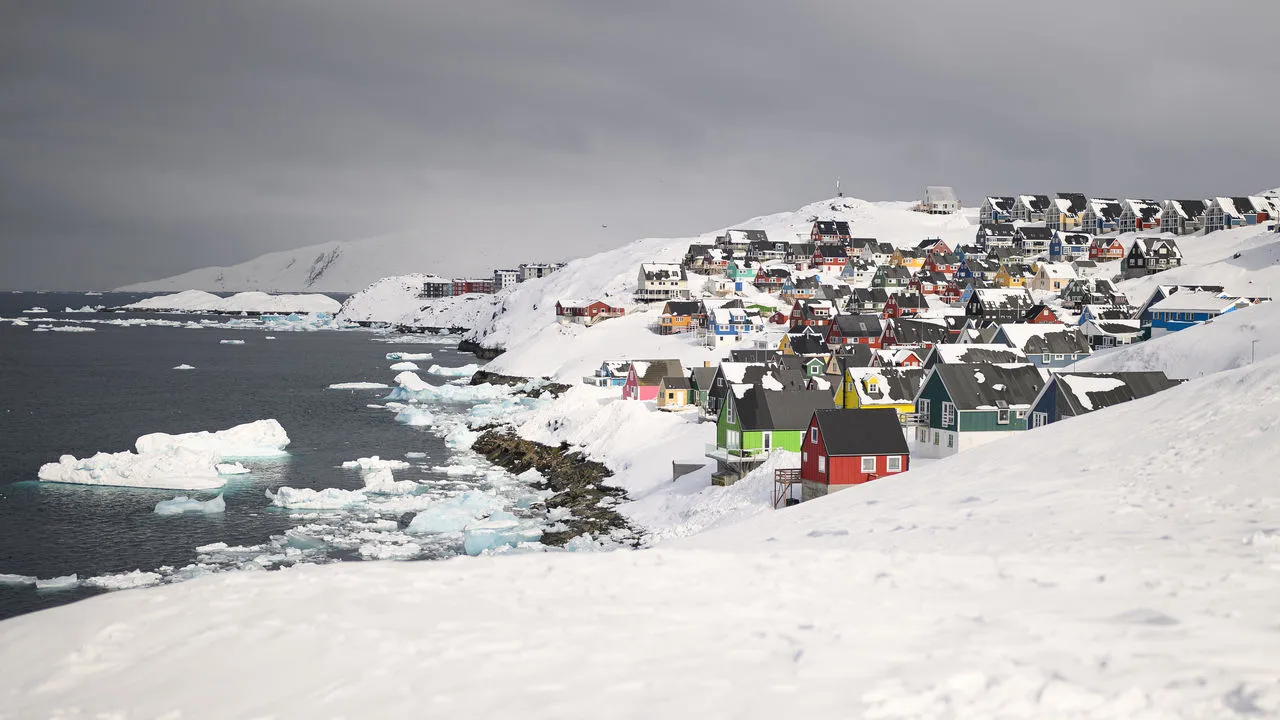
Denmark’s relationship with the United States has entered a new phase of strain following the appointment of a special US envoy to Greenland. The envoy’s public remarks openly favor the island becoming part of the United States. This move has triggered a sharp diplomatic response from Copenhagen and renewed international scrutiny over Greenland’s strategic importance in the Arctic. Here, security, resources, and global power competition increasingly intersect.
Greenland, a self-governing territory within the Kingdom of Denmark, occupies a critical position between North America and Europe. Its location, vast mineral reserves, and proximity to emerging Arctic shipping routes have made it a focal point of long-term US strategic planning. According to the Government of Greenland (https://naalakkersuisut.gl), the island maintains control over its internal affairs. Denmark oversees defense and foreign policy, a structure that Greenlandic leaders insist must be respected by all allies.
The controversy underscores how geopolitical competition in the Arctic is intensifying. This is attributed to climate change, which accelerates access to resources estimated to be worth hundreds of billions of dollars. It also reshapes military calculations across the region.
Diplomatic Fallout Between Copenhagen and Washington
Danish officials have reacted forcefully to the envoy’s statements, arguing that they cross a red line by questioning Denmark’s territorial integrity. The foreign ministry has emphasized that Greenland’s status is not open to negotiation. Moreover, they assert that sovereignty cannot be reframed as a security transaction, regardless of alliance ties.
Denmark, a founding member of NATO (https://www.nato.int), has long cooperated with the United States on Arctic defense. This cooperation includes the operation of Thule Air Base, a key component of US missile warning and space surveillance systems. However, Danish leaders stress that this cooperation does not imply consent to political ambitions. Specifically, ambitions that override Greenlandic self-determination.
The situation has prompted Denmark to formally engage US diplomatic channels. This reflects concerns that rhetoric around annexation risks destabilizing Arctic cooperation. In turn, it comes at a time when unity among Western allies is viewed as strategically essential.
Greenland’s Strategic Value and US Security Interests
From Washington’s perspective, Greenland’s importance is rooted in national security calculations extending far beyond symbolic influence. The island sits astride critical Arctic air and sea corridors and hosts infrastructure vital to early-warning defense systems. The US Department of Defense (https://www.defense.gov) has repeatedly highlighted the Arctic as a priority theater. They cite growing military activity by Russia and increasing economic engagement by China.
Greenland is also believed to hold substantial deposits of rare earth elements and other strategic minerals. These are essential to advanced technologies, including renewable energy systems and defense manufacturing. Global demand for these materials already exceeds $300,000,000,000 annually, adding economic weight to geopolitical interest in the region.
Despite this, Greenlandic authorities have reiterated that security partnerships do not translate into political ownership. Local leaders argue that external pressure only reinforces the need for Greenlanders to control decisions about their future development and international relationships.
European Concerns Over Sovereignty and Arctic Stability
The envoy appointment has also drawn attention across Europe, where officials view the issue through the lens of international law and alliance cohesion. The European Union (https://european-union.europa.eu) has consistently stated that respecting the sovereignty and territorial integrity of member states and their territories is a cornerstone of regional stability.
European policymakers worry that public challenges to Denmark’s authority over Greenland could embolden similar claims elsewhere, complicating diplomatic efforts in an already fragile global environment. Arctic governance relies heavily on cooperation, transparency, and mutual recognition of borders. These principles underpin frameworks such as the Arctic Council.
As Arctic routes open and competition intensifies, Denmark and Greenland argue that long-term stability depends on dialogue rather than unilateral declarations. The dispute highlights how strategic ambition, when expressed without diplomatic restraint, can strain even longstanding alliances. It can also reshape debates about sovereignty in one of the world’s most rapidly changing regions.