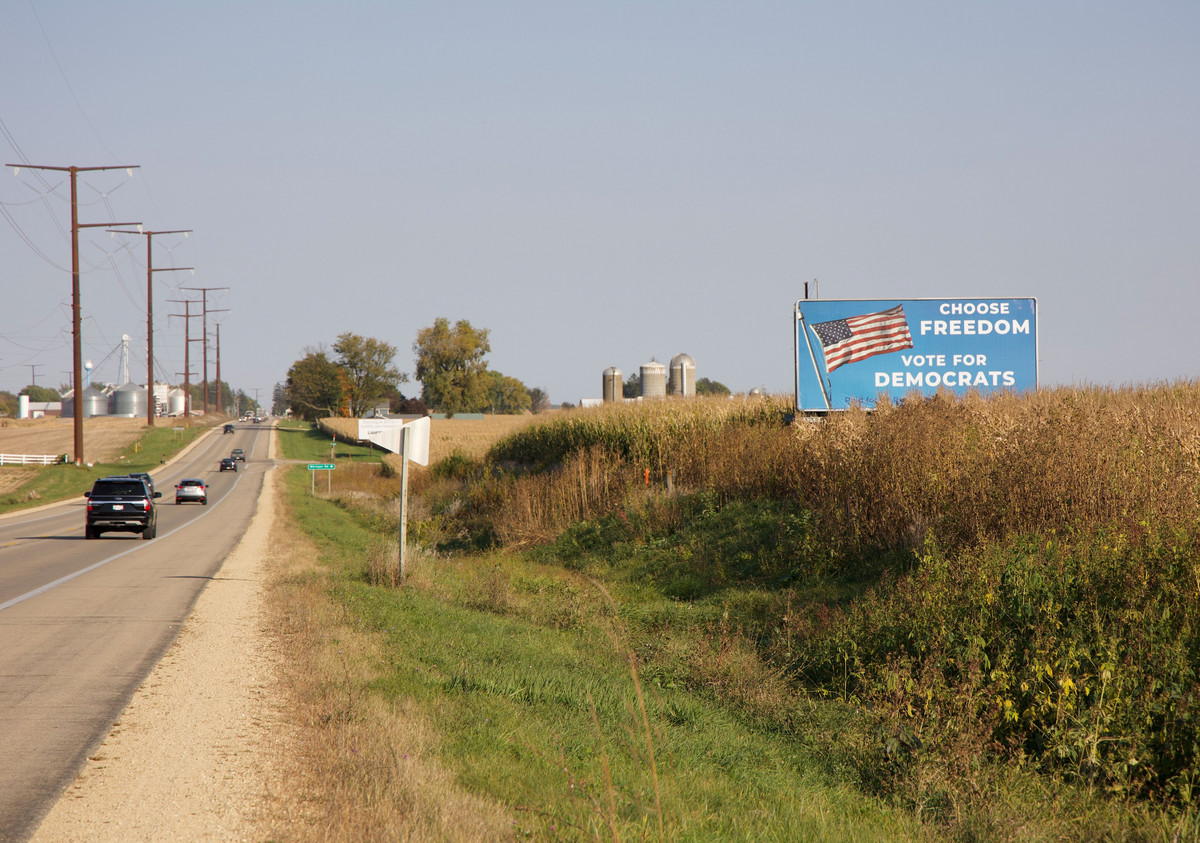
Democrats are unveiling a broad, long-term strategy aimed at rebuilding support in rural communities, a voting bloc where the party has faced significant setbacks over the past decade. The new initiative represents the party’s most structured effort to date to engage rural voters, strengthen economic messaging, and reestablish relationships in regions that will play a decisive role in the upcoming U.S. House elections.
Party leaders argue that a renewed rural focus is emerging at a crucial moment, as dissatisfaction grows over rising costs, uneven access to health care, and concerns about the direction of national economic policies. The strategy is built on the belief that rural communities, often affected by economic volatility and limited investment, are seeking alternatives that address local needs and long-term stability.
Democratic strategists say rural voters are increasingly vocal about the impact of tariffs, infrastructure gaps, and market uncertainty. These factors, they argue, give the party an opportunity to present a clearer economic vision. They highlight that expanding broadband access, strengthening family farms, and supporting regional development have become priorities in several competitive districts. Information resources such as usa.gov, congress.gov, and community-focused hubs like rd.usda.gov and ofn.org are being integrated into outreach materials to help rural voters find programs and opportunities that directly affect their regions.
Democrats Aim to Build Long-Term Rural Relationships Through Local Engagement
Leaders involved in the initiative emphasize that the goal is not only to influence the next election cycle but to establish a deeper, long-term presence in rural areas. The plan involves working closely with community organizations, local leaders, and advocates who understand regional challenges, including access to capital, infrastructure maintenance, and the shifting landscape of agricultural markets.
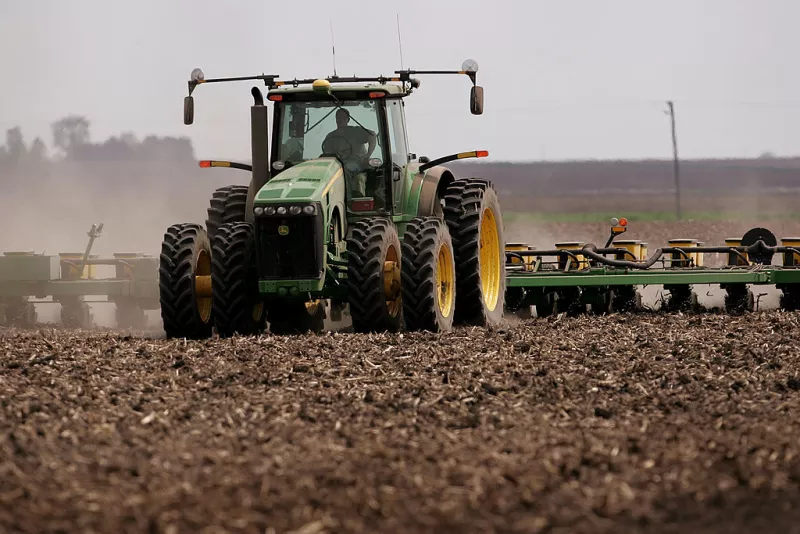
Democratic organizers say rural voters are expressing frustration with policies that have contributed to increased expenses, including high equipment costs, fluctuating fuel prices, and limited competition among major agricultural conglomerates. These issues, they argue, have intensified the need for antitrust enforcement, union protections, and investment in regional supply chains.
Advocates who work on rural economic development note that many rural voters favor populist economic solutions that address monopolistic practices and expand workforce opportunities. They point out that efforts to strengthen small-town economies align with policies centered on local entrepreneurship, infrastructure resilience, and fair market access. The party believes these concerns have widespread impact, extending beyond farming communities to rural manufacturing centers, small businesses, and workers in industries affected by automation and global competition.
The initiative’s organizers say targeted investment will focus on competitive districts but also emphasize the importance of building trust in regions where Democratic candidates have historically struggled. They believe that consistent engagement, rather than election-season attention, is essential for establishing credibility and demonstrating lasting commitment.
Challenges Persist as Democrats Confront Deep Electoral Shifts in Rural Areas
Despite renewed energy behind the strategy, Democratic leaders acknowledge that reclaiming rural support will be challenging. Rural voters overwhelmingly backed former President Trump in the last presidential election, creating a significant gap the party must address. Analysts note that skepticism toward Democratic messaging has grown over time, fueled by perceptions that national strategies have prioritized urban and suburban voters while overlooking rural concerns.
Political researchers argue that earlier decisions to remove resources from rural districts contributed to a widening political divide. For years, campaign investments gravitated toward urban centers with large voter concentrations, leaving many rural communities feeling marginalized. This shift, combined with messaging that failed to resonate with working-class voters, has made winning back rural support a steep climb.
Democratic candidates who have previously run in rural districts describe persistent challenges, including entrenched perceptions that the party does not prioritize rural issues. Some candidates report investing substantial time and resources into town halls, community meetings, and local campaigns, only to face overwhelming electoral losses due to rigid partisan divides and long-standing distrust.
Even so, strategists insist that rebuilding rural support is essential for the party’s national competitiveness. They argue that a durable majority in the U.S. House of Representatives will require long-term engagement across all regions, not just a select group of competitive districts. This includes strengthening economic narratives that resonate with working families, rural laborers, and blue-collar communities who share similar frustrations about wages, access to services, and economic mobility.
Experts say that if Democrats want to build a truly national coalition, they must demonstrate that rural perspectives are vital to the country’s political and economic future. The party’s renewed commitment focuses on inclusion, consistent investment, and a recognition that rural America is diverse, multifaceted, and central to the nation’s identity.