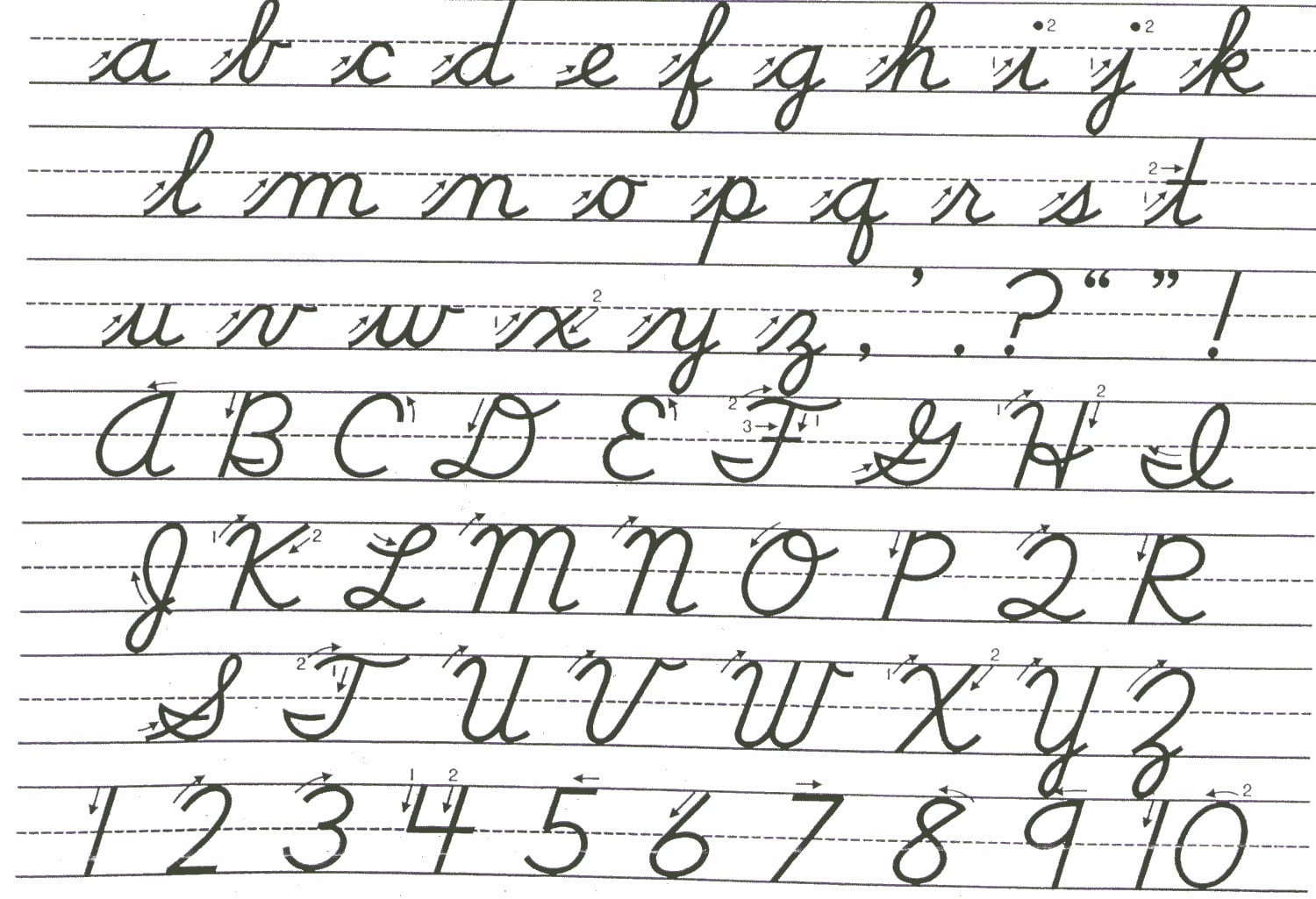
Cursive writing is making a notable return to classrooms across the United States, driven by new state mandates and renewed interest among educators, students, and communities. Once sidelined by modern curriculum standards, the flowing style of handwriting is now being reintroduced as part of a broader conversation about foundational skills in an increasingly digital world.
At Holmes Middle School in Virginia, an after-school cursive club has gained unexpected popularity, reflecting a growing trend nationwide. Students are not only learning to write in cursive but are also embracing it as a form of personal expression and academic development.
Growing Demand for Cursive Instruction
The resurgence of cursive writing follows years of decline after its removal from the <a href=”https://www.corestandards.org/”>Common Core State Standards</a>, which shifted educational priorities toward typing and digital literacy. However, more than 24 states have since enacted legislation requiring cursive instruction, signaling a reversal in policy direction.
Educators argue that cursive plays a role in improving fine motor skills, memory retention, and reading comprehension. In classrooms where it has been reintroduced, teachers report increased engagement, particularly among younger students who view it as both a challenge and a creative outlet.
Programs like the one at Holmes Middle School demonstrate how extracurricular initiatives can reignite interest in traditional skills. The club’s rapid growth has also drawn attention from broader educational communities, highlighting a renewed curiosity about handwriting instruction.
Cognitive and Educational Benefits Under Debate
Supporters of cursive writing point to studies suggesting that handwriting—especially cursive—activates different areas of the brain compared to typing. According to research highlighted by institutions such as <a href=”https://www.nih.gov/”>National Institutes of Health</a>, writing by hand may strengthen neural connections related to learning and memory.
Advocates also emphasize the importance of being able to read historical documents, many of which are written in cursive. Resources from organizations like the <a href=”https://www.loc.gov/”>Library of Congress</a> underline how cursive literacy allows students to access original manuscripts and primary sources without relying on transcriptions.
However, critics question whether these benefits justify dedicating classroom time to cursive instruction. With increasing reliance on digital tools and artificial intelligence, some experts argue that students would benefit more from coding, digital communication, and other modern competencies.
Balancing Tradition and Modern Skills
The debate surrounding cursive reflects a broader tension in education: how to balance traditional skills with the demands of a technology-driven future. While some schools are integrating cursive alongside digital literacy, others are prioritizing keyboard proficiency and online collaboration tools such as <a href=”https://workspace.google.com/”>Google Workspace</a>.
Teachers like those leading the Holmes Middle School club see cursive as more than just handwriting. For students, it becomes a way to develop identity, improve focus, and connect with past generations. The act of writing in cursive—forming each loop and stroke—offers a tactile experience that contrasts sharply with typing on a screen.
At the same time, policymakers continue to evaluate how much emphasis cursive should receive within already crowded curricula. The growing number of states mandating its instruction suggests that, for now, cursive retains a place in the educational landscape.
As classrooms evolve, the return of cursive writing illustrates how even traditional skills can find renewed relevance, especially when framed as part of a comprehensive approach to learning that values both innovation and foundational knowledge.