A Global Health Program Under Scrutiny
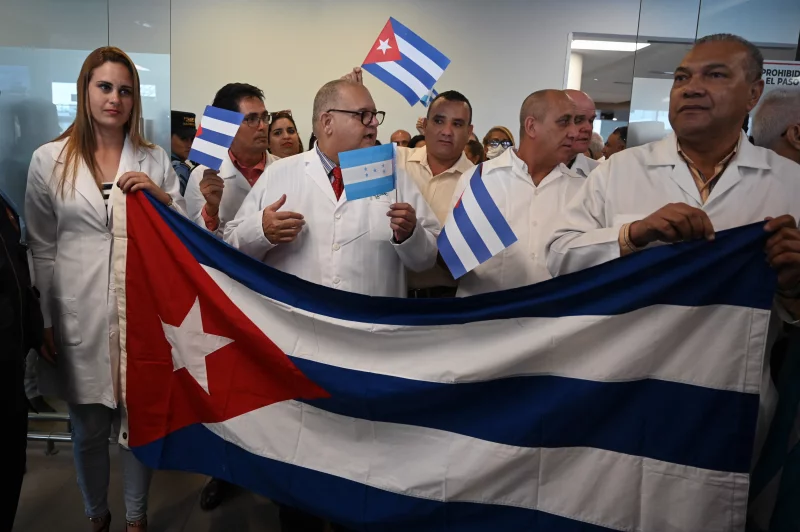
Cuba’s long-standing practice of sending doctors abroad has become a focal point of international debate, balancing humanitarian impact against allegations of exploitation. For decades, the island nation has deployed tens of thousands of healthcare professionals to underserved regions, particularly across Latin America, Africa, and parts of Asia.
The program, often described by Cuban authorities as a symbol of solidarity, has also become a critical source of foreign revenue. Host countries compensate the Cuban government for medical services, while participating doctors typically receive only a fraction of those payments. This financial structure has drawn attention from policymakers and global institutions such as the World Health Organization, which monitors international healthcare cooperation efforts.
Despite its reach, the initiative faces mounting criticism. Opponents argue that the system prioritizes state income over worker autonomy, raising ethical concerns about compensation, mobility, and labor conditions.
U.S. Opposition and Diplomatic Pressure
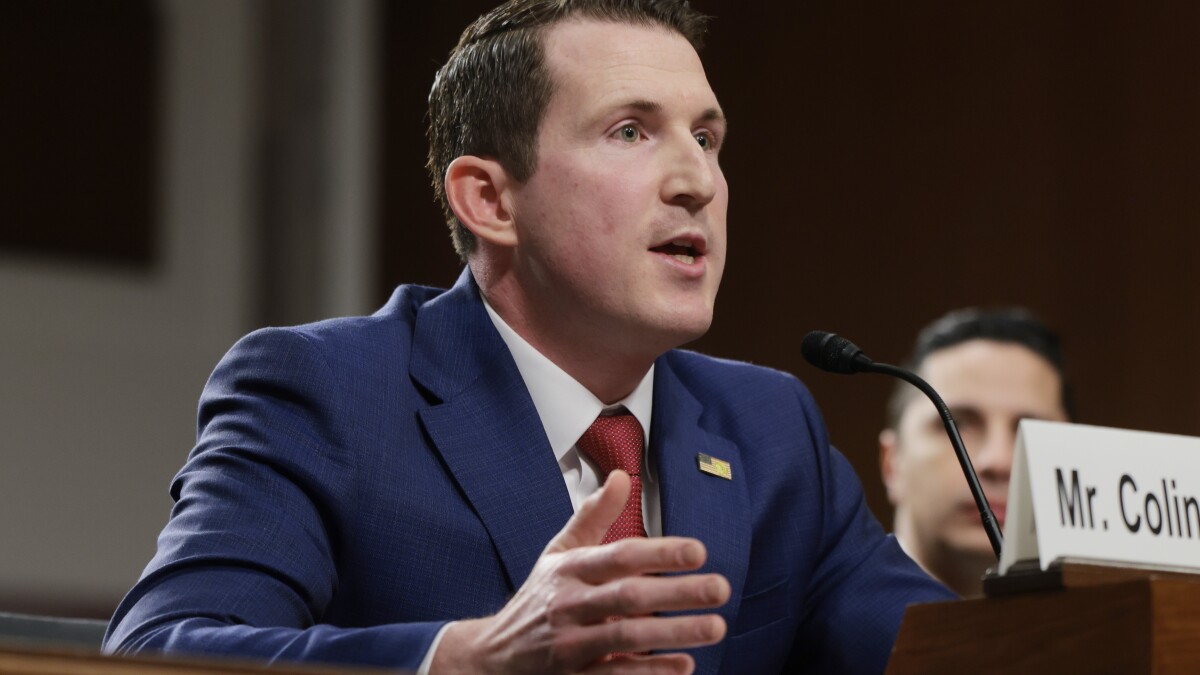
The United States has intensified its opposition to Cuba’s medical missions, framing the program as a form of coercion. Officials have accused the Cuban government of restricting the freedom of its medical workers, including limiting their earnings and controlling their movements abroad.
This stance has translated into diplomatic pressure on partner countries. Several nations in Latin America and the Caribbean have begun scaling back or terminating agreements with Cuba, influenced in part by U.S. policy measures. These actions are often analyzed within broader geopolitical frameworks by institutions like the U.S. Department of State, which plays a central role in shaping foreign policy directives.
In addition to diplomatic efforts, the U.S. has introduced visa restrictions and potential sanctions targeting officials involved in these agreements. The measures aim to discourage participation in the program and reshape international cooperation in healthcare services.
At the same time, some governments are exploring alternative arrangements, including direct payment models that would allow Cuban doctors to receive full compensation without state intermediaries. These proposals reflect a growing push to reform, rather than eliminate, the system.
Impact on Healthcare Access and Local Communities
As countries reconsider their involvement, concerns are emerging about the consequences for healthcare access in vulnerable regions. Cuban medical teams often serve in rural or underserved communities where local healthcare infrastructure is limited or nonexistent.
The potential withdrawal of these professionals raises critical questions about continuity of care. Global development organizations, including the World Bank, frequently highlight the importance of healthcare access in economic stability and poverty reduction, making the loss of medical personnel a significant risk.
Some nations are now seeking to fill the gap by investing in domestic healthcare systems or recruiting professionals from other countries. However, building equivalent capacity can take years, leaving immediate shortages in critical services.
Meanwhile, international observers and human rights groups continue to evaluate the program’s structure, including labor conditions and contractual obligations. These assessments are often informed by global standards and frameworks promoted by entities such as the International Labour Organization, which examines labor rights across sectors.
The evolving situation reflects a complex intersection of healthcare needs, economic pressures, and geopolitical influence, with decisions made today likely to shape medical access in multiple regions for years to come.