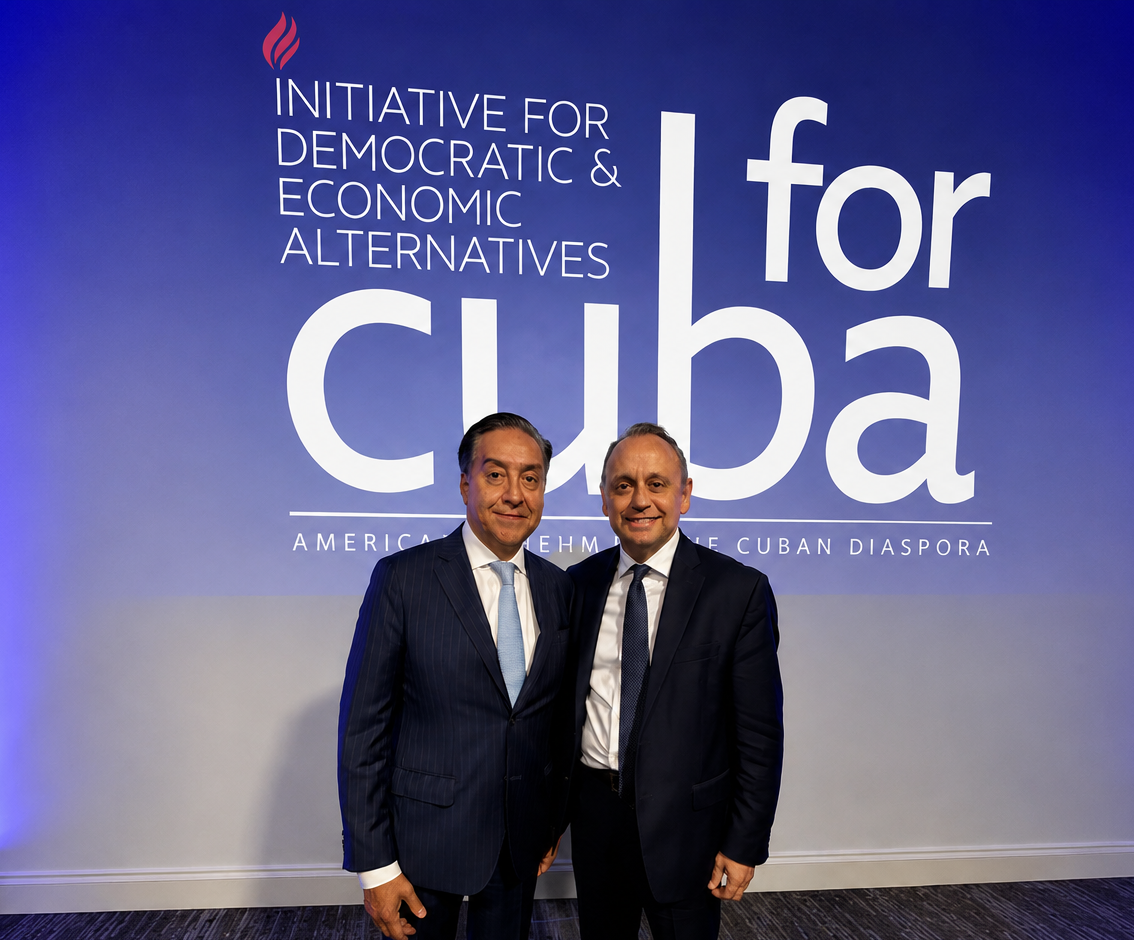
Miami, Florida — The conference “Cuba’s Infrastructure as Part of the Transition to Democracy” brought together distinguished business leaders, policy experts, engineers, academics, and members of the Cuban-American community to discuss one of the most important challenges facing a future democratic Cuba: rebuilding the nation’s infrastructure as the foundation for sustainable economic growth, institutional strength, and long-term prosperity.
Strategic Planning for Cuba’s Democratic Reconstruction
Organized by the Initiative for Democratic and Economic Alternatives (IDEAs) for Cuba, in partnership with the American Museum of the Cuban Diaspora and Florida International University (FIU), the event highlighted the importance of strategic planning, public-private collaboration, and democratic institutions in creating the conditions for Cuba’s future reconstruction.
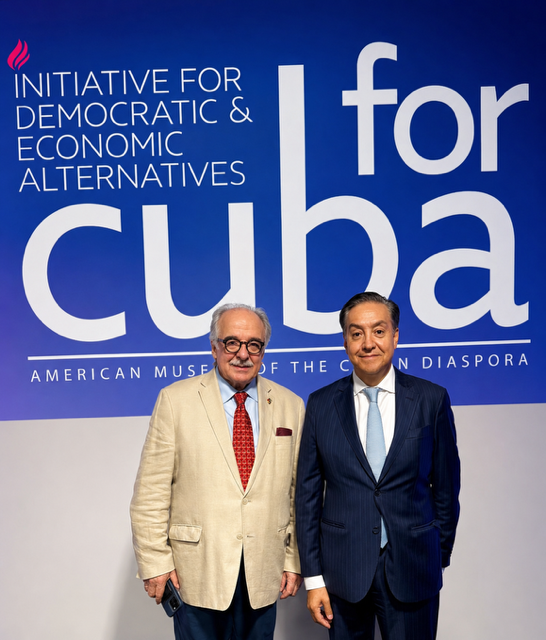
Javier Cárdenas-Moreno Reaffirms Commitment to Economic Freedom and Democracy
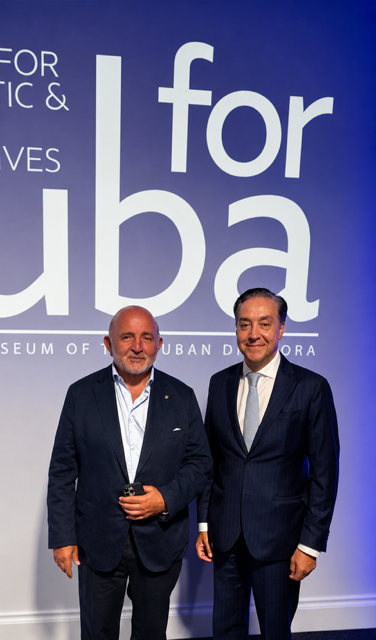
Among the attendees was Javier Cárdenas-Moreno, President and Chief Executive Officer of Rhino Equipment, an American-owned global equipment manufacturer with operations in numerous international markets. As a business, social, and community leader, Cárdenas-Moreno reaffirmed his longstanding commitment to defending democracy, the rule of law, economic freedom, entrepreneurship, and private enterprise as essential pillars for creating opportunities, reducing poverty, generating employment, and promoting sustainable development throughout Cuba and Latin America.
During the event, Cárdenas-Moreno emphasized that economic recovery must be driven by institutions that protect individual liberty, encourage innovation, attract responsible investment, and empower entrepreneurs to become engines of social progress. He reaffirmed his belief that strong businesses create not only economic value but also meaningful opportunities for families, communities, and future generations.
Leaders and Experts Discuss Infrastructure for a Democratic Cuba
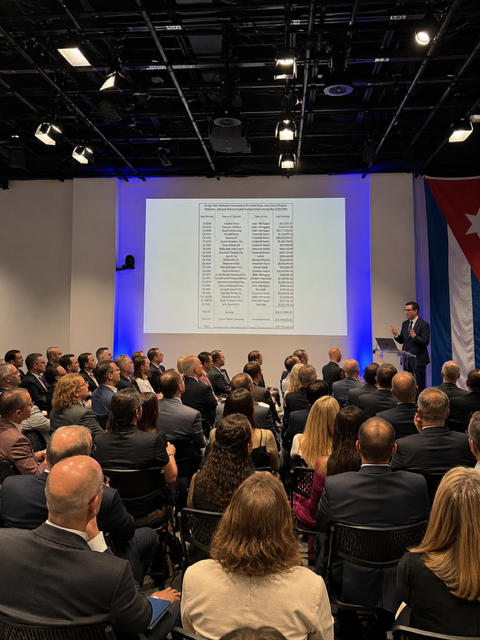
The conference was moderated by Marcel Felipe, Chairman of the American Museum of the Cuban Diaspora and one of the leading advocates for democracy and freedom for the Cuban people. Under his leadership, the event served as an important platform for dialogue among experts committed to supporting Cuba’s democratic future.
The distinguished panel featured internationally recognized professionals and experts, including Antonio C. Cárdenas, Elena Colomé Gabriel, Felipe Fernández-Armesto, Jorge Bozán, José Amengual Prieto, Billy Bermello, Nelson Sequera, and Juan González, who shared their expertise on infrastructure, transportation, engineering, water systems, communications, urban development, energy, and strategic planning for a future democratic Cuba.
Building a Future Based on Freedom, Innovation and Private Enterprise
Throughout the discussions, participants agreed that rebuilding Cuba requires more than modern infrastructure. It requires democratic institutions, legal certainty, protection of private property, economic freedom, transparent governance, and an environment where entrepreneurship and innovation can flourish.
For Javier Cárdenas-Moreno, these principles are not merely economic objectives but social commitments. He believes that entrepreneurship, responsible investment, and the creation of successful businesses are among the most effective tools for expanding opportunity, strengthening communities, and improving quality of life. His vision reflects the conviction that economic freedom and democracy are inseparable foundations for sustainable development.
A Shared Commitment to Cuba’s Democratic and Economic Future
The conference concluded with a shared commitment among participants to continue promoting dialogue, international cooperation, and practical solutions that contribute to the peaceful reconstruction of a democratic, prosperous, and economically vibrant Cuba. The event also reaffirmed the importance of collaboration among business leaders, academics, policymakers, engineers, and civil society in shaping a future built upon freedom, opportunity, innovation, and the rule of law.