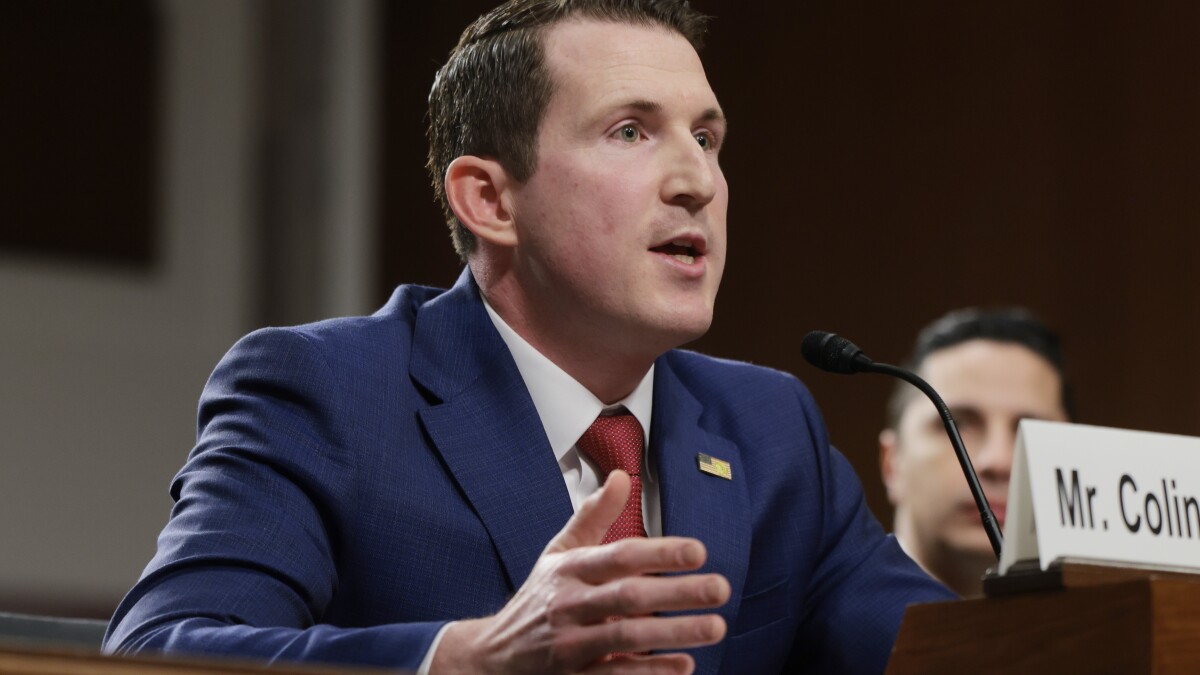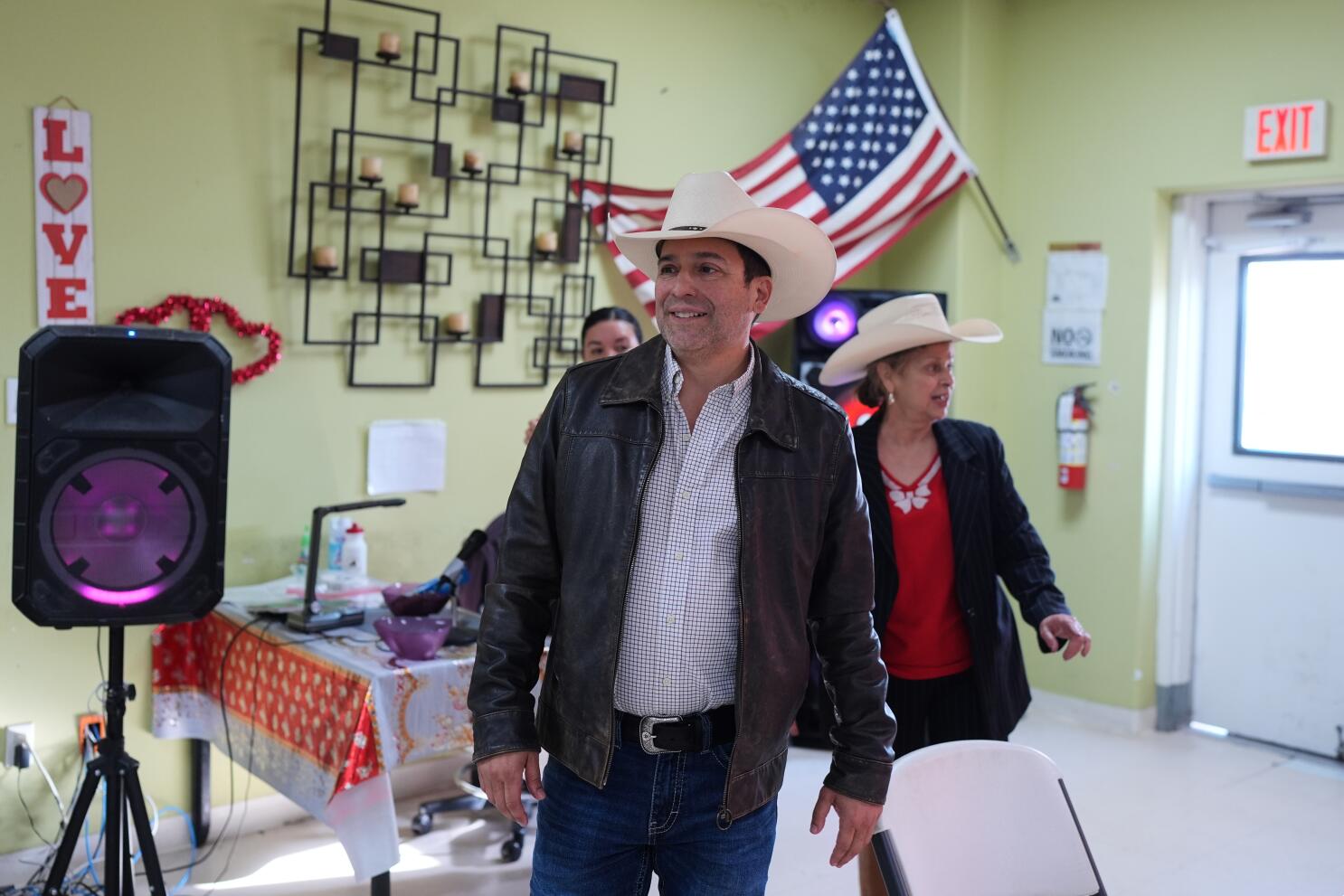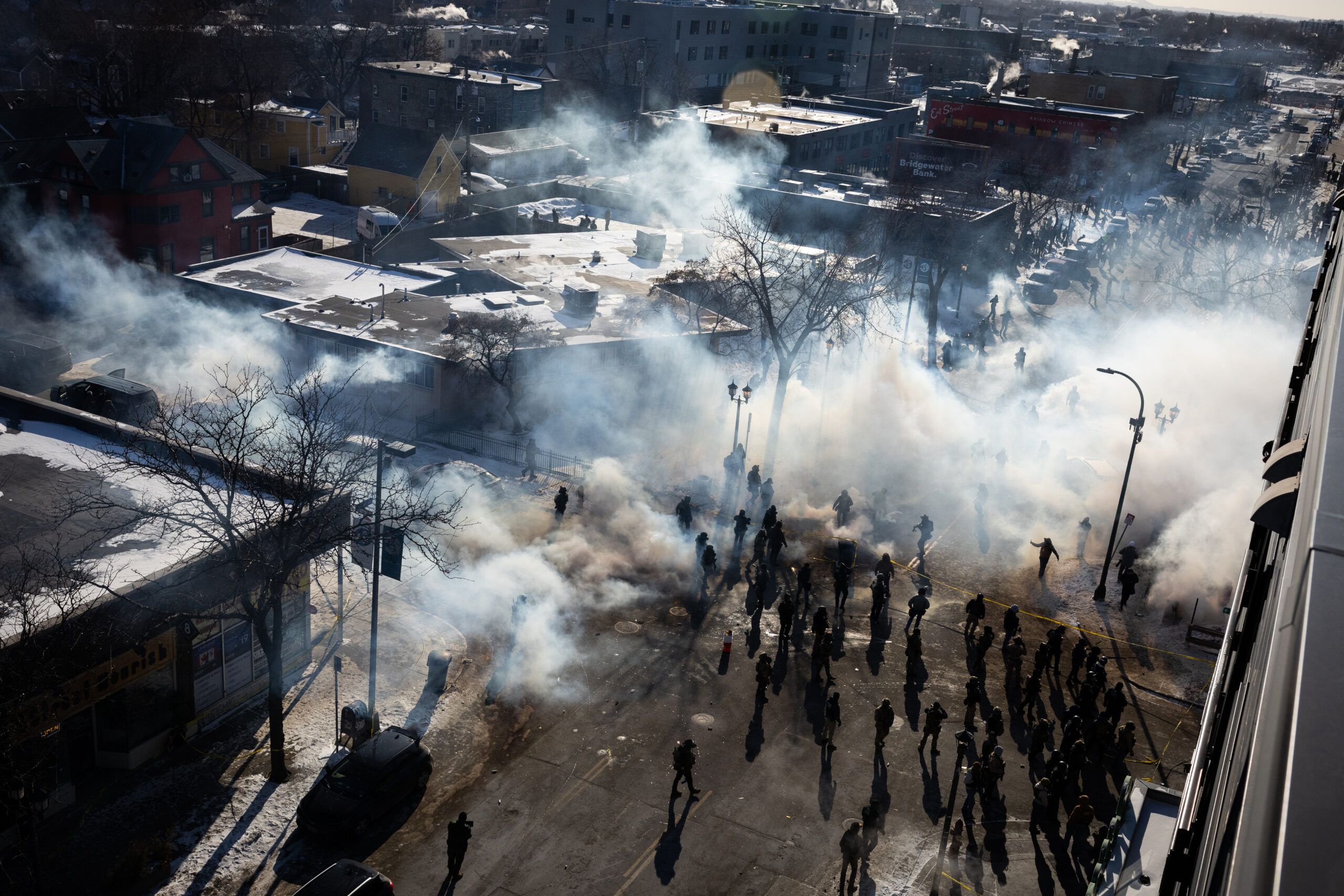
The death of 37-year-old Alex Pretti in Minneapolis has intensified an already fragile budget standoff in Washington, pushing Congress closer to a partial government shutdown by the end of the week. Pretti was fatally shot by a U.S. Border Patrol officer, marking the second deadly encounter involving federal immigration agents in the city in recent months. The incident has galvanized Senate Democrats, who now say they will not support funding for the Department of Homeland Security without new restrictions on immigration enforcement tactics.
At the center of the dispute is a sweeping $1.3 trillion spending package designed to keep much of the federal government operational beyond Friday night. The measure bundles DHS funding with appropriations for defense, health, transportation, and other major agencies. Democrats argue that approving DHS funding without reforms would amount to endorsing what they describe as abusive practices by Immigration and Customs Enforcement and Customs and Border Protection.
Democratic Opposition and DHS Funding Deadlock
Senate Democrats are calling for guardrails that would limit the use of force by immigration officers and prohibit enforcement actions in sensitive locations such as schools, hospitals, and places of worship. They are also pressing for expanded oversight mechanisms and broader use of officer-worn body cameras. While Democrats previously negotiated $20 billion for body cameras and oversight enhancements, many lawmakers now say the provisions fall short in light of the Minneapolis shootings.
The House has already sent the DHS funding bill to the Senate as part of a broader package, a move intended to speed passage before the funding deadline. However, that strategy has backfired. Senate Minority Leader Chuck Schumer is urging Republicans to separate DHS funding from the rest of the legislation so that bipartisan-supported agencies can remain funded while negotiations over immigration enforcement continue.
Republican leaders have so far resisted the idea of splitting the bills, arguing that doing so would delay the process further. The funding measure requires 60 votes to pass the Senate, meaning Democratic support is essential. Some Republicans, including those facing reelection, have voiced concern about recent enforcement tactics and called for investigations, but party leadership has not committed to restructuring the legislation.
The Broader Budget Stakes
The standoff places nearly $1.3 trillion in federal funding at risk, accounting for roughly 75% of annual discretionary spending. While Congress has already approved several full-year funding bills, key measures remain unresolved. These include appropriations for DHS, the Transportation Security Administration, the U.S. Coast Guard, and the Federal Emergency Management Agency.
Democrats emphasize that they are not seeking to shut down the government but to use their limited leverage to force policy changes. They point to bipartisan agreement on the vast majority of the federal budget and argue that the remaining disputes are narrowly focused on DHS. Holding up DHS funding, they contend, would not halt the administration’s immigration crackdown, especially given that Republicans previously allocated $75 billion for ICE over four years.
Public opinion may be tilting in their favor. A recent poll found that a majority of Americans believe federal immigration tactics have gone too far. Lawmakers backing reforms say this sentiment strengthens their resolve to demand changes, even if it means risking another shutdown after last fall’s record 43-day closure.
Economic and Political Implications
A partial shutdown would disrupt federal services, delay contracts, and create uncertainty across industries reliant on government funding. Agencies such as the Centers for Disease Control and Prevention, which faced proposed budget cuts earlier in the fiscal year, would again confront operational uncertainty. Although final legislation has largely kept nondiscretionary spending flat, another funding lapse could undermine planning and staffing across federal departments.
Policy analysts say the confrontation reflects a broader struggle over congressional authority and executive power. Some lawmakers argue that Congress is beginning to reassert its role in shaping federal priorities rather than simply ratifying White House proposals. As negotiations continue, both parties face pressure to avoid a shutdown while responding to public outrage over the Minneapolis shootings.
For more information on the legislative process, visit Congress.gov. Background on DHS programs is available at dhs.gov. Updates on Senate activity can be found at senate.gov, and federal budget data is published at usa.gov.
With the deadline approaching and political tensions rising, the coming days will determine whether Congress can avert a partial shutdown or whether the fallout from Minneapolis will reshape immigration enforcement funding for years to come.