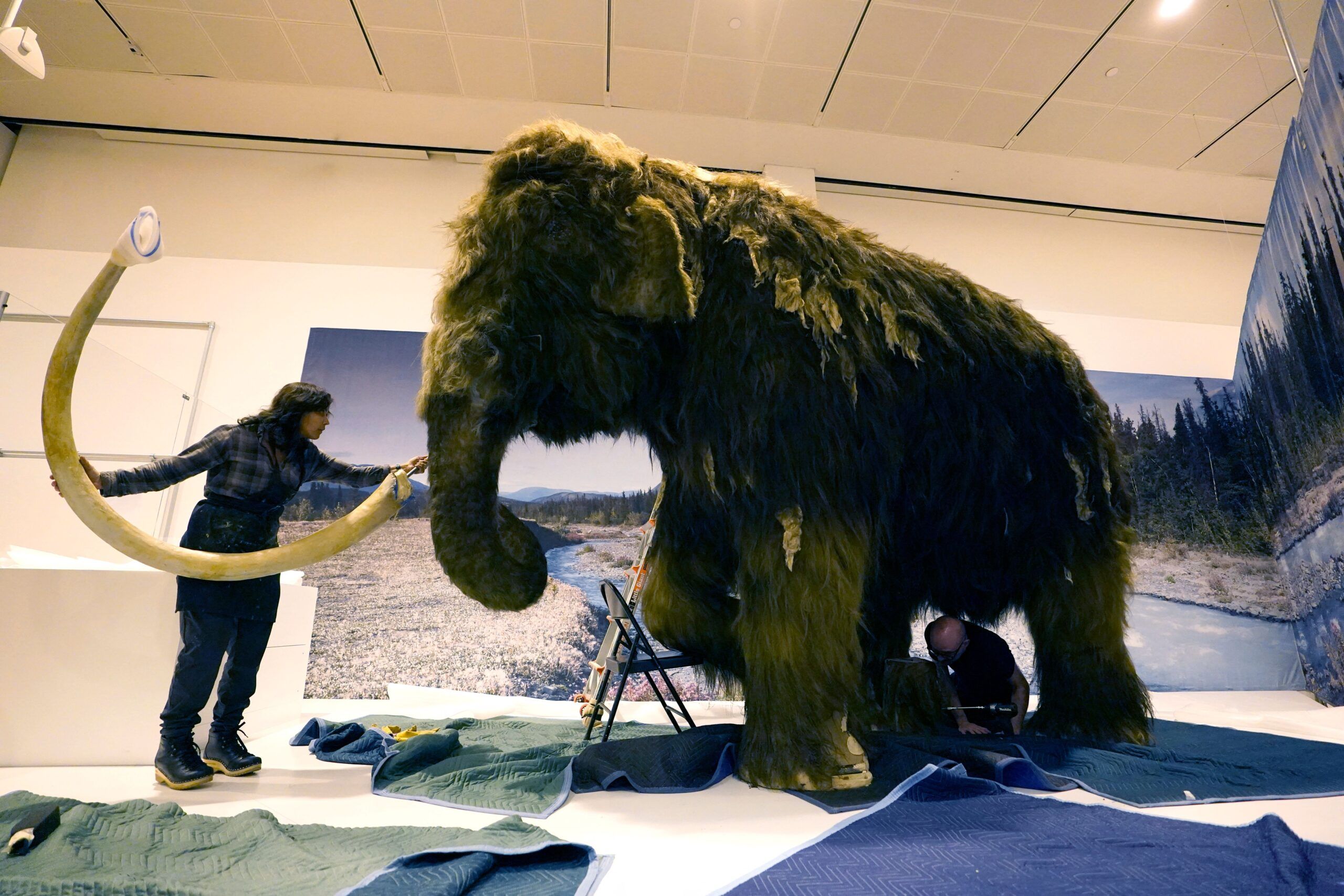
The biotechnology company Colossal Biosciences is intensifying its efforts to bring extinct animals back to life, including the iconic woolly mammoth. Operating from a large research facility in Dallas, the company has assembled hundreds of scientists working with advanced technologies such as gene editing, cloning and artificial intelligence to pursue one of the most ambitious goals in modern biology: de-extinction.
Founded with the mission of reviving lost species and applying those technologies to conservation, the company has attracted global attention from researchers, investors and environmental groups. Supporters argue that the tools developed for reviving extinct animals could transform wildlife protection and ecosystem restoration. Critics, however, question both the scientific feasibility and ethical implications of resurrecting animals that vanished thousands of years ago.
With more than $600 million raised in funding and a valuation that reached approximately $10 billion during a financing round in early 2025, the company has positioned itself at the center of a growing industry that blends genetic engineering with conservation science.
Advanced Labs Focused on Ancient DNA
Inside the research facility operated by Colossal Biosciences, teams of geneticists and reproductive biologists analyze preserved DNA extracted from fossils and remains recovered from Arctic permafrost. Scientists compare this ancient genetic material with DNA from modern relatives, particularly the Asian elephant, the closest living species to the woolly mammoth.
By identifying genetic differences between the two species, researchers aim to pinpoint the key genes responsible for mammoth traits such as thick fur, cold-adapted fat layers and other biological features that allowed the animals to survive in Ice Age climates.
Using gene-editing technologies derived from CRISPR gene editing, scientists attempt to insert those traits into elephant cells. The edited DNA is then used to create embryos that could potentially be implanted into surrogate elephants.
If successful, the process could eventually lead to the birth of animals carrying many mammoth characteristics. Researchers involved in the project have suggested the first such birth could occur within the next several years, although the process remains scientifically complex and uncertain.
The company believes that refining these techniques could also help scientists protect endangered animals by improving genetic diversity and reproductive success.
Gene-Edited Animals Offer Early Clues
As part of the research process, scientists have already experimented with smaller animals to test whether mammoth-related genes can successfully produce expected traits. One of the most widely discussed examples involves genetically modified mice designed to grow longer, thicker fur similar to the woolly coat that protected mammoths from freezing temperatures.
These so-called “woolly mice” serve as a proof of concept, allowing researchers to confirm whether specific genetic modifications produce the intended physical characteristics. By validating these genes in small mammals first, scientists can refine their methods before attempting more complex edits in elephant cells.
Researchers say these experiments demonstrate how modern genetic engineering can recreate traits that disappeared thousands of years ago, providing insights into how ancient species adapted to extreme environments.
The research also relies on advanced computational tools, including artificial intelligence systems capable of analyzing enormous genetic datasets. Platforms such as those developed by companies including Form Bio help scientists process complex biological information and identify promising gene targets for editing.
Ethical Debate Surrounds De-Extinction
Despite technological progress, the broader concept of de-extinction continues to generate intense debate within the scientific community.
Some researchers argue that resurrecting extinct animals could introduce new ecological challenges. Even if a mammoth-like animal were successfully created, it would enter an ecosystem that has changed dramatically since the species disappeared roughly 4,000 years ago.
Others question whether surrogate elephant mothers could safely carry such pregnancies, given the biological differences between species and the long gestation period that elephants require.
Conservation experts have also raised concerns that investments in de-extinction could divert funding away from protecting species that are currently endangered. Organizations like the World Wildlife Fund have emphasized that habitat destruction, climate change and illegal wildlife trade remain the most urgent threats to biodiversity.
Supporters of the technology counter that de-extinction research can directly benefit conservation by providing new genetic tools to strengthen struggling animal populations. Techniques developed for mammoth revival could potentially help restore genetic diversity in endangered species, improving their chances of survival.
Proponents also argue that reviving key species could help rebuild damaged ecosystems. For example, some researchers believe mammoth-like animals could influence Arctic landscapes by trampling snow, spreading vegetation and potentially slowing the thawing of permafrost linked to climate change.
As research advances, the work being carried out by Colossal Biosciences is likely to remain one of the most closely watched scientific experiments of the decade. Whether the effort ultimately produces a living mammoth-like animal or simply advances conservation technology, the project is reshaping the conversation about how biotechnology might influence the future of life on Earth.