Scientists Discover Pair Bonding in Unusual Insect Species
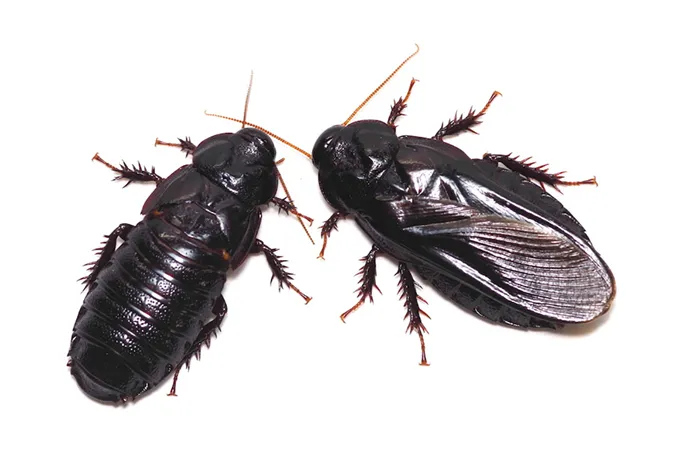
A new study published in Royal Society Open Science has revealed surprising insights into the social behavior of a species of wood-feeding cockroach known as Salganea taiwanensis. Researchers found evidence suggesting that these insects may form long-term pair bonds, a behavior rarely observed in invertebrates.
Pair bonding refers to a sustained relationship between two individuals who remain together over time while excluding others. This type of social structure is commonly found in birds, mammals, and some fish, but has seldom been documented among insects. The findings challenge long-held assumptions about the cognitive and social limitations of invertebrate species.
According to researchers, the ability to maintain such bonds implies a level of recognition, memory, and cooperation that indicates more complex behavioral patterns than previously understood. These discoveries contribute to a growing body of research suggesting that insects may possess more advanced social systems than traditionally believed.
Unique Mating Ritual Strengthens Long-Term Partnerships
The study highlights a striking and unusual behavior central to the bonding process. After meeting, a male and female cockroach burrow into decaying wood to form a shared nesting space. During this process, they engage in a ritual where each insect chews off and consumes the other’s wings.
Scientists believe this act plays a key role in establishing the pair bond. The wings serve as a valuable protein source, potentially supporting reproduction and early parental care. Once this exchange is complete, the pair begins building a nest and preparing to raise offspring together.
This behavior goes beyond simple mating. It marks a transition into a cooperative partnership where both individuals contribute to nest defense, grooming, and the care of their young. The ritual appears to function as a biological and behavioral signal of commitment, reinforcing the exclusivity of the pair.
Experiments Reveal Strong Defensive Behavior Against Intruders
To better understand the strength of these bonds, researchers conducted controlled experiments comparing bonded and non-bonded pairs. Cockroaches were placed in artificial nest environments, and a third individual was introduced to observe the reaction.
The results were striking. Pairs that had not engaged in wing-eating showed little to no aggression, allowing intruders to remain in the nest. In contrast, bonded pairs reacted immediately and aggressively, working together to repel the outsider.
This coordinated defense suggests a high level of cooperation and mutual recognition between partners. The behavior mirrors aspects of pair bonding seen in more cognitively complex animals, where partners jointly protect shared resources and offspring.
The findings provide new insight into the evolution of social behavior across species, indicating that even insects may develop stable, cooperative relationships under the right ecological conditions.