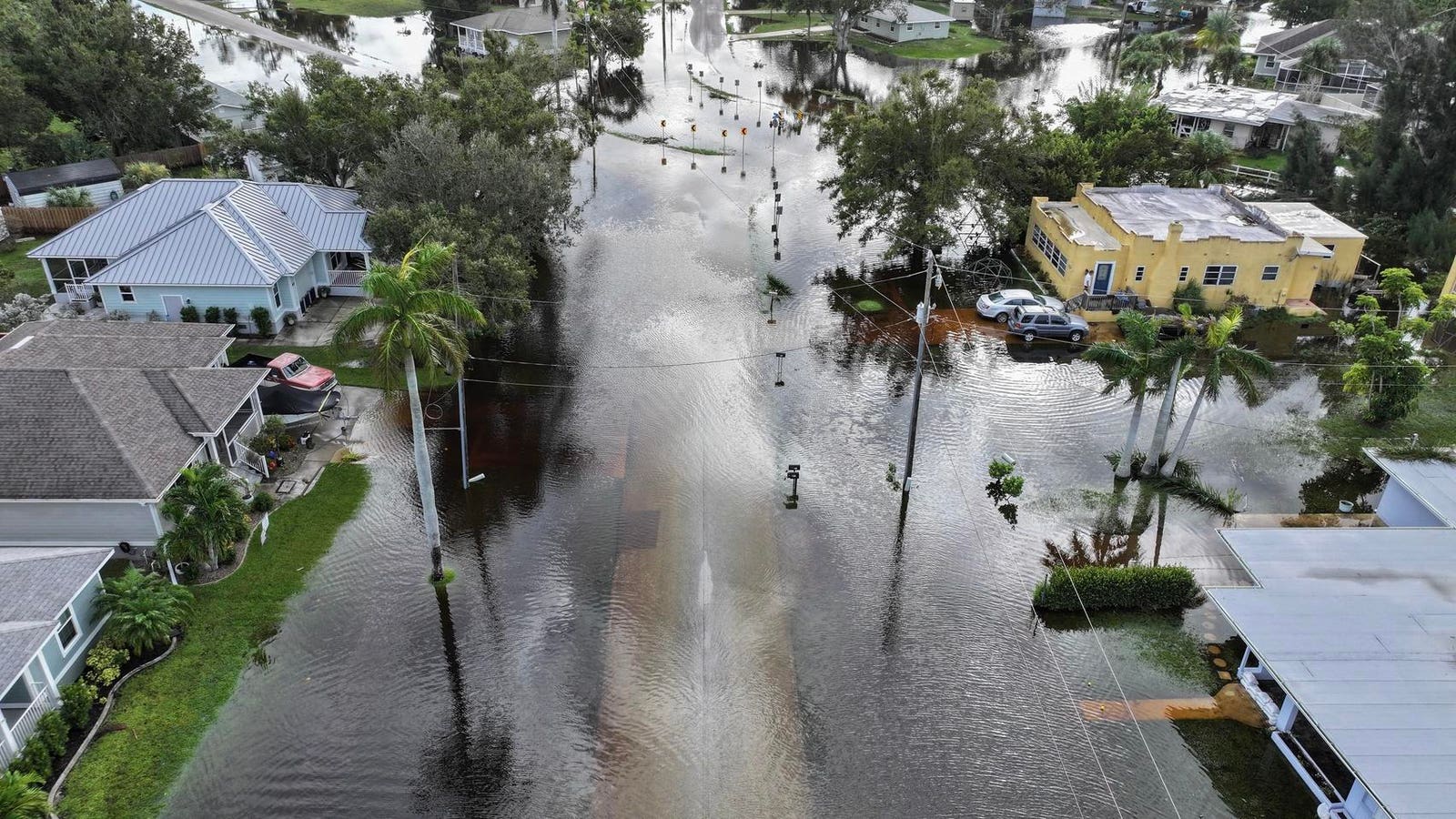
The 2025 Atlantic hurricane season challenged long-standing assumptions about what an active year looks like. While the United States avoided direct landfalls entirely, the season still produced some of the most intense hurricanes ever recorded. Scientists describe the pattern as increasingly representative of how climate change is altering tropical weather systems rather than an isolated anomaly.
With a total of 13 named storms, the season landed close to the historical average. What made 2025 stand out was not the quantity of storms, but their strength. Three storms reached Category 5 intensity, placing the season among the most extreme on record. These developments reflect broader shifts in oceanic and atmospheric conditions that have been documented across the Atlantic basin and tracked by institutions such as the National Oceanic and Atmospheric Administration through long-term climate monitoring https://www.noaa.gov.
Rising ocean heat as a driver of extreme hurricanes
Ocean temperatures play a decisive role in hurricane formation and intensification. As global temperatures rise, oceans absorb the majority of excess heat trapped by greenhouse gas emissions from fossil fuel combustion. This accumulation of heat has led to record-breaking sea surface temperatures in the Atlantic regions where hurricanes typically develop.
Warm water acts as high-octane fuel for tropical systems, allowing storms to intensify rapidly once they form. In 2025, several hurricanes strengthened dramatically as they traveled over unusually warm waters, a phenomenon consistent with findings from climate research published by NASA’s Earth science programs https://earthobservatory.nasa.gov. These conditions make it increasingly likely that storms will reach higher categories even if the total number of storms remains steady.
Wind patterns limit storm numbers but not severity
While ocean heat favors stronger hurricanes, atmospheric wind patterns can suppress storm formation. Wind shear, which occurs when winds at different altitudes move at varying speeds or directions, disrupts the vertical structure hurricanes need to develop. During the 2025 season, elevated wind shear across parts of the Atlantic limited how many storms could form.
Climate models suggest that wind shear may increase as the planet continues to warm, particularly in key hurricane development zones. This dynamic creates a paradoxical outcome: fewer storms overall, but a higher proportion of intense hurricanes. This evolving balance aligns with projections from climate assessments that analyze future storm behavior under continued warming https://www.ipcc.ch.
A preview of future hurricane seasons
The absence of U.S. landfalls in 2025 was largely a matter of storm tracks rather than reduced risk. Several hurricanes reached peak intensity over open water or impacted Caribbean nations, demonstrating that geographic luck plays a major role in seasonal outcomes. As climate change progresses, variability between seasons will remain, but the underlying trend toward more powerful storms is becoming clearer.
Environmental agencies continue to emphasize that climate change does not produce identical hurricane seasons each year. Instead, it increases the odds of extreme outcomes. As policymakers and communities assess long-term resilience, understanding how climate-driven ocean and atmospheric changes influence hurricanes will remain central to preparedness strategies discussed by organizations such as the U.S. Environmental Protection Agency https://www.epa.gov.