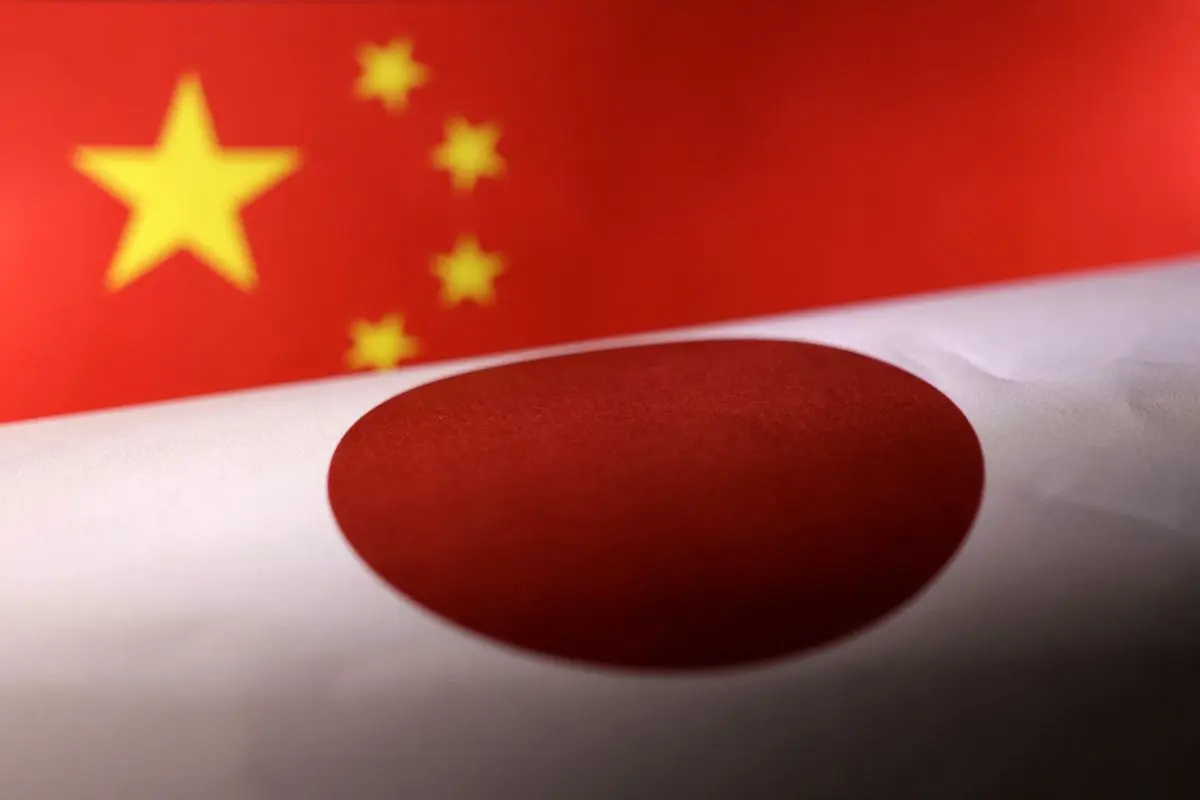
China has intensified its economic pressure on Japan by signaling that Japanese seafood may soon have “no market” in China, a warning delivered amid a sharp escalation of diplomatic tensions over statements from Japan’s leadership regarding the defense of Taiwan. The strained environment, particularly affected by China–Japan seafood trade tensions, has raised concerns across Asia’s trade and security landscape, with businesses, investors and analysts monitoring the fallout as both political rhetoric and economic threats deepen. Japan’s seafood industry, already recovering from past restrictions, now faces renewed uncertainty as Chinese public sentiment and political messaging take center stage. As Japan continues to be a critical regional partner for democratic governments and an essential contributor to global supply chains, the latest developments are reshaping expectations for corporate risk, bilateral cooperation and long-term market accessibility.
Companies evaluating trade disruptions often reference global economic insights from leading platforms such as the International Monetary Fund or review geopolitical analysis from Council on Foreign Relations when forecasting the implications of prolonged diplomatic confrontations related to China–Japan seafood trade tensions. Japan’s government is now wrestling with how to balance national security commitments with the need to protect vital export sectors.
Escalating Diplomatic Tensions Over Taiwan
The dispute gained momentum when Japan’s prime minister asserted in parliament that a hypothetical military attack on Taiwan by China could represent a direct threat to Japan’s survival, potentially justifying a military response. This statement marked one of the most explicit acknowledgments from a Japanese leader regarding Taiwan’s security relationship with Tokyo amid growing China–Japan seafood trade tensions. China reacted sharply, asserting that this comment crossed a political “red line” tied to its longstanding position on Taiwan’s sovereignty. In Beijing, public anger intensified rapidly, and political messaging became increasingly directed at pushing Japan to retract its remarks. China’s foreign ministry highlighted that Japanese seafood, regardless of prior import agreements or quality standards, would be rejected by Chinese consumers under the current atmosphere.
Japanese analysts have noted that corporate risk assessments, such as those frequently explored through JapanGov’s official economic data portal, show that escalating political disputes, including those resulting from China–Japan seafood trade tensions, often translate into shifts in consumer sentiment, reduced travel flows and interrupted commercial partnerships. Japan’s political establishment has been forced to weigh these consequences carefully, especially as prior trade disputes have historically produced multi-billion-dollar costs for its exporters.
Economic Fallout Looms Across Tourism, Exports and Regional Markets
The warning over seafood is unfolding in parallel with China’s recent advisory urging its citizens to avoid traveling to Japan. Although non-binding, the alert has had immediate economic repercussions. Airlines in China have already begun offering refunds and free rebooking for trips to Japan, signaling that travel demand may decline sharply as tensions over China–Japan seafood trade continue. Japan’s tourism sector, which relies heavily on Chinese visitors, has previously documented revenue surges worth billions of dollars during periods of normalized travel.
A renewed downturn could place substantial pressure on local economies, especially in cities heavily dependent on hospitality, retail and transportation. Trade experts monitoring regional market conditions often consult specialized resources like World Trade Organization analysis tools to gauge how political tensions, especially China–Japan seafood trade tensions, influence cross-border commerce, commodity flows and tariff risks. In addition to tourism, seafood remains a vulnerable sector due to its symbolic importance in Japan’s export identity and China’s ability to apply targeted economic leverage. Japan’s seafood industry had only recently regained partial access to China’s market following earlier restrictions tied to the release of treated wastewater at the Fukushima facility.
Many Japanese businesses now fear that prolonged tensions may lead to significant financial losses, reduced foreign demand and diminished investor confidence. These concerns extend beyond seafood, with regional manufacturers, agricultural exporters and tech suppliers considering the potential for broader retaliatory economic measures as part of ongoing China–Japan seafood trade tensions.