1. A Growing Movement of Women in Construction Faces New Federal Barriers
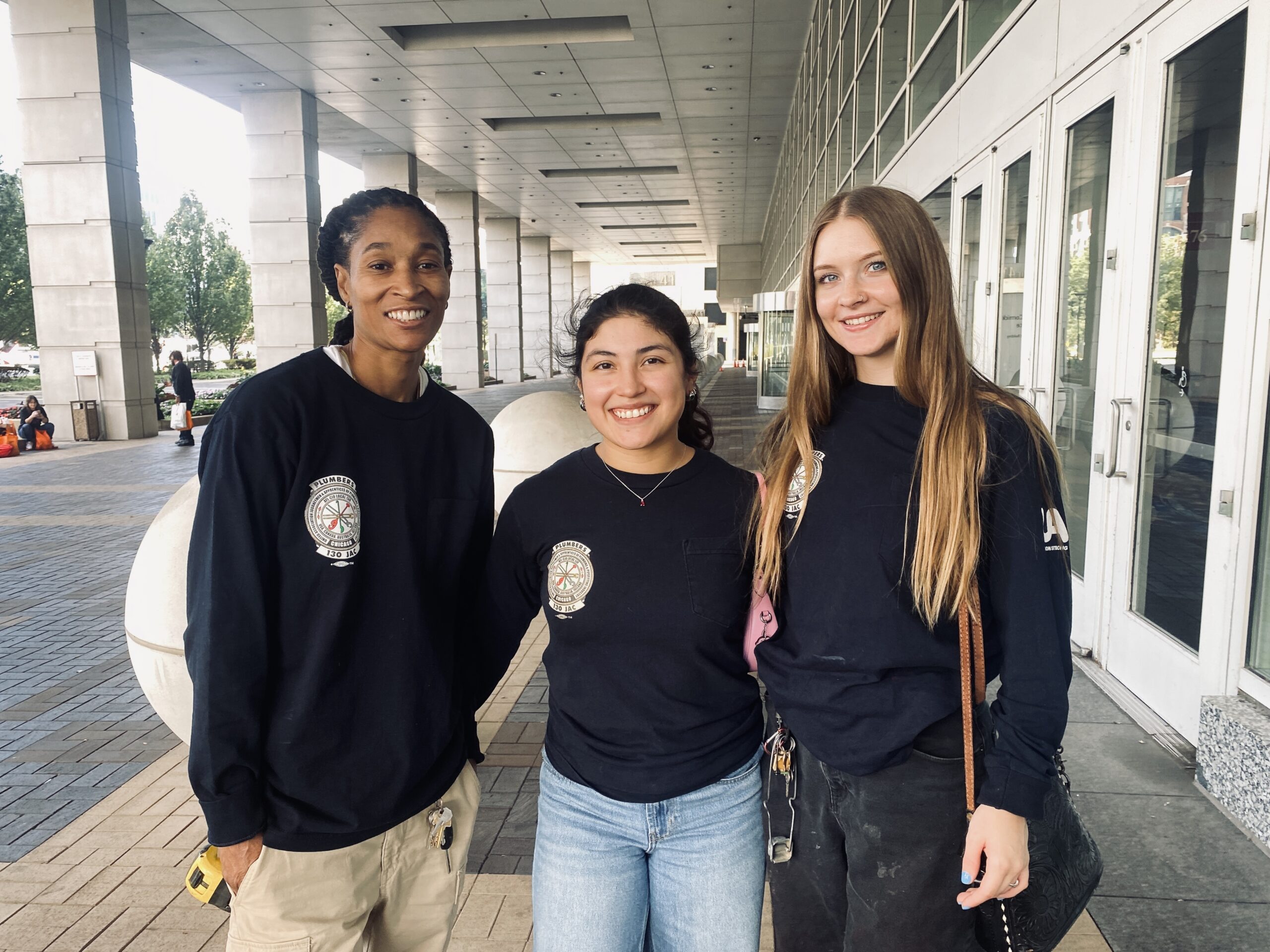
In Chicago, thousands of women in construction have been building a strong professional network. This network highlights their presence in an industry still heavily dominated by men. The annual Tradeswomen Build Nations gathering has become one of the most visible symbols of this progress. It showcases a community committed to expanding access to high-wage union roles. Organizations such as Chicago Women in Trades have been central to this momentum. They create training pipelines, mentorship networks, and entry points into apprenticeships. Their work has aligned with broader national efforts encouraging more Americans to join the skilled labor workforce. This includes government-backed apprenticeship initiatives accessible through https://www.apprenticeship.gov, where aspiring workers explore structured programs in fields such as plumbing, carpentry, and electrical work.
However, the Trump administration’s decision to dismantle longstanding diversity, equity, and inclusion frameworks has introduced a new era of uncertainty. Executive actions limiting identity-based programs and requiring federal contractors to certify compliance with anti-discrimination laws have placed nonprofits like Chicago Women in Trades in a precarious position. Many contractors now question whether collaborating with organizations dedicated to expanding opportunities for underrepresented groups could expose them to compliance risks. This tension threatens to disrupt pathways that women, particularly Black and Latina participants, have relied on to access union wages more easily and for career advancement.
2. Training Programs That Transform Careers Amid Legal and Financial Pressure
Chicago Women in Trades has developed robust training initiatives to help women succeed in fields traditionally closed to them. These free, intensive programs include technical instruction, blueprint reading, and strength conditioning. They offer support from experienced tradeswomen who guide participants through demanding assessments. For many apprentices entering unions such as plumbing, carpentry, or roofing, these programs have provided the confidence and physical preparation needed. This helps them meet rigorous entry standards. Additional educational tools, including federal career resources available at https://www.careeronestop.org, support participants. They seek information on certifications, job prospects, and skills development.
These career-shaping programs risk severe disruption under the new federal directives. With roughly 40% of the nonprofit’s annual funding previously sourced from U.S. Labor Department grants, the threat of losing federal support could undermine training cohorts. This may reduce access to union-track positions. Moreover, the certification requirement included in the executive orders has introduced the possibility of civil and criminal penalties for organizations working with federal funds. Contractors partnering with nonprofits worry that participating in women-focused training may be interpreted as identity-based programming. Consequently, they are prompted to reassess long-time collaborations that have helped diversify the workforce.
Despite these challenges, Chicago Women in Trades continues working closely with unions to ensure that women entering the trades find supportive career environments. Their mission aligns with national worker safety and labor standards promoted on osha.com which help protect new apprentices navigating complex job sites. With fewer than 5% of skilled trades roles filled by women nationwide, the nonprofit argues that removing DEI programs would halt decades of incremental progress.
3. Legal Battles, Union Decisions and a Workforce at a Crossroads
The organization has sought judicial protection from federal actions that threaten its operations. A ruling from the U.S. District Court for the Northern District of Illinois temporarily blocked both the termination of a federal grant. It also blocked the enforcement of the certification clause for Labor Department grantees. While the case advances through the appeals process, contractors and unions await clearer definitions of what constitutes unlawful DEI under the new executive framework. This lack of clarity has already influenced major decisions, such as the United Brotherhood of Carpenters’ choice to dissolve its long-standing Sisters in the Brotherhood program. That internal initiative provided mentorship and support for women navigating a male-dominated profession. Its closure signals a broader apprehension about legal risk.
Meanwhile, Chicago Women in Trades emphasizes the long-term importance of sustaining pathways for women in high-wage skilled careers. The organization highlights the impact of community, confidence building, and technical preparation. This helps women thrive on job sites where they are still often the only female worker. Through partnerships, training, and advocacy, they aim to maintain access to life-changing careers while navigating evolving federal regulations. Additional resources such as https://www.dol.gov remain essential. They help track national labor policies, updates to apprenticeship systems, and regulatory changes affecting workers across the country.
As the legal battle continues, the nonprofit underscores that the stakes extend far beyond their own survival. They argue that the future diversity of the skilled trades workforce depends on whether organizations committed to workforce equity can continue to operate without fear of punitive consequences. With women remaining significantly underrepresented in construction roles, the push to sustain DEI-aligned programs remains central. It ensures a labor force that reflects the full population and supports economic mobility for all.