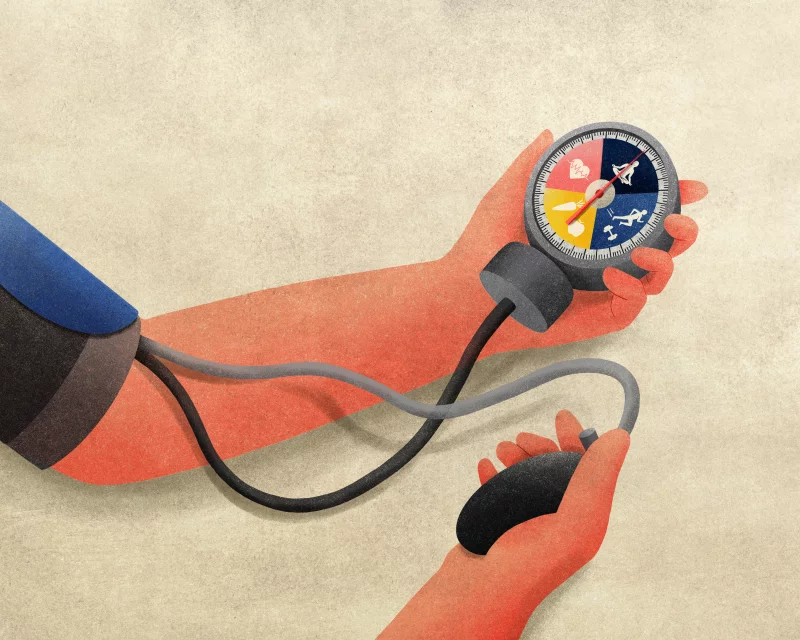
Monitoring blood pressure outside a clinical setting has become an essential tool for identifying and managing hypertension. Many people first discover an elevated reading during a routine check-up, yet a single measurement is rarely enough to confirm a diagnosis. Because blood pressure fluctuates throughout the day, tracking it over time provides a clearer and more reliable picture of cardiovascular health.
Health experts often describe hypertension as a silent condition because it can develop without noticeable symptoms while still increasing the risk of serious complications. According to guidance from the American Heart Association, consistent monitoring plays a crucial role in early detection and long-term prevention of heart disease and stroke.
Why Home Monitoring Matters
Checking your blood pressure at home can significantly improve the accuracy of diagnosis. Measurements taken in a medical office may be temporarily elevated due to stress, a phenomenon commonly known as white coat hypertension. This means that relying only on occasional clinic readings can lead to incomplete or misleading conclusions.
Home monitoring helps capture typical blood pressure levels under normal daily conditions. Organizations such as the American College of Cardiology emphasize that repeated readings over time allow healthcare providers to make better-informed decisions about whether treatment is necessary.
For individuals who have had a high or borderline reading, measuring blood pressure a few times per week can provide valuable data. These readings can then be reviewed during follow-up visits to determine whether the pattern indicates sustained hypertension or temporary fluctuation.
Proper Technique for Accurate Readings
Accurate results depend heavily on proper technique. Small mistakes, such as using the wrong cuff size or not resting before measurement, can significantly affect readings. The Centers for Disease Control and Prevention recommends avoiding caffeine, exercise, and smoking for at least 30 minutes before checking blood pressure.
Before taking a reading, sit quietly for at least five minutes with your back supported and feet flat on the floor. Your arm should be positioned at heart level, resting on a stable surface. Talking or moving during the measurement can also distort the result, so remaining still and silent is essential.
Choosing the right device is equally important. Upper-arm cuffs are generally more reliable than wrist-based monitors. The cuff should fit properly around your arm, as incorrect sizing can lead to readings that are either too high or too low.
When to Seek Medical Treatment
A diagnosis of hypertension is typically based on multiple elevated readings rather than a single result. Current clinical guidelines define high blood pressure as measurements consistently at or above 130/80. If repeated home readings fall within this range, it is important to consult a healthcare provider to discuss next steps.
Treatment decisions depend on several factors, including age, overall health, and risk of cardiovascular disease. In some cases, lifestyle changes such as improved diet, regular exercise, and stress management may be enough to bring blood pressure under control. Evidence-based dietary approaches like those supported by the National Heart, Lung, and Blood Institute highlight the benefits of balanced nutrition in reducing hypertension risk.
In other cases, medication may be recommended, particularly when blood pressure remains elevated over time. The goal of treatment is to reduce long-term risks while minimizing side effects, with care plans tailored to each individual’s needs.