CDC Panel Faces Internal Conflict Over Hepatitis B Vaccine Recommendation for Newborns
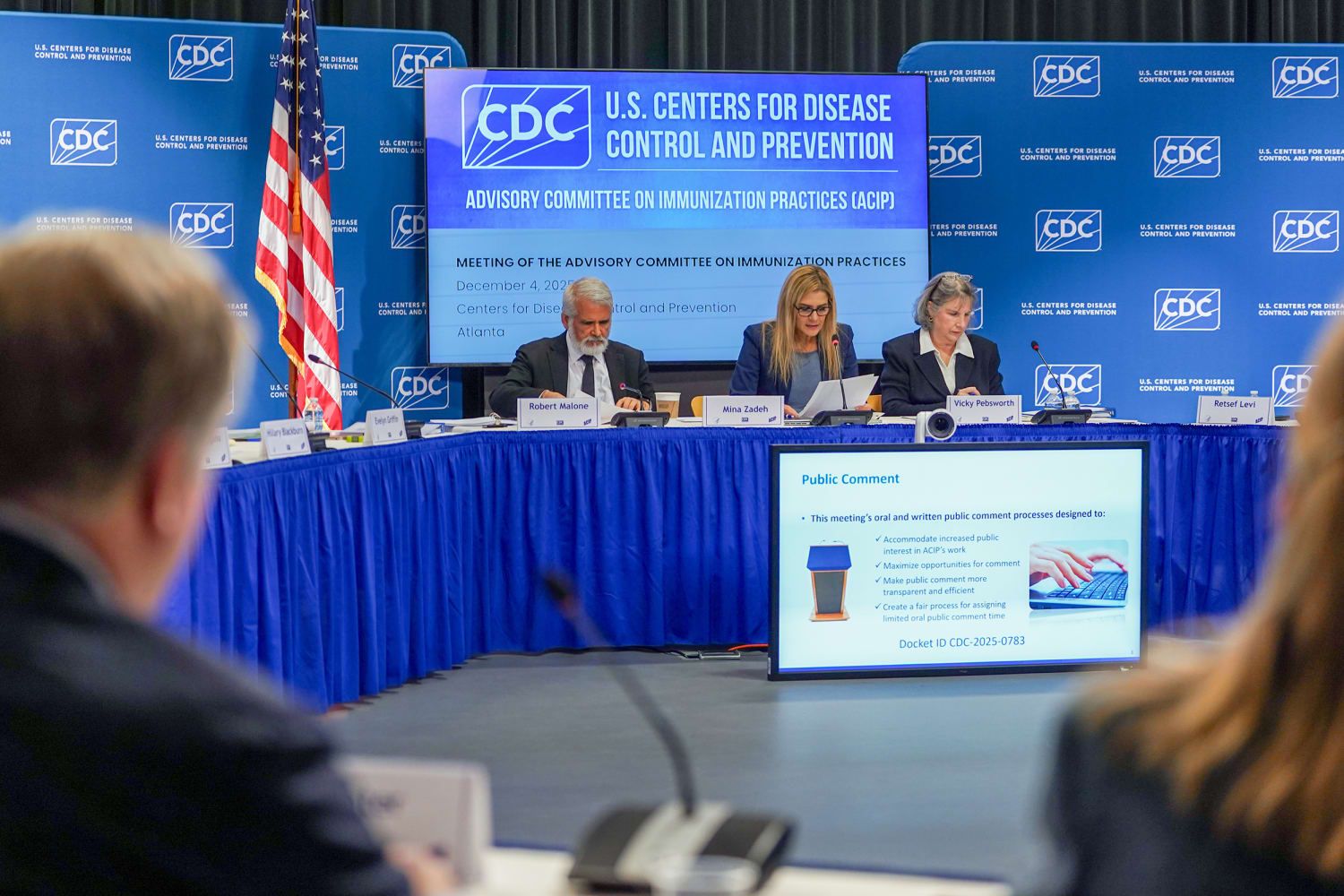
The Centers for Disease Control and Prevention’s Advisory Committee on Immunization Practices entered a contentious debate after planned votes on changes to the universal hepatitis B vaccination policy were abruptly postponed. Members expressed frustration over rapidly shifting vote language. They claimed that receiving multiple revised versions within 72 hours made it impossible to provide responsible guidance. The issue influences hospital protocols, national vaccination schedules, and insurance-covered medical care.
The policy under review would alter the current universal approach. It ensures every newborn in the U.S. receives the first dose of the hepatitis B vaccine—even infants born to mothers who test negative for the virus. Many medical experts argue that the existing recommendation prevents cases from slipping through screening gaps. It ensures long-term liver health protections for all children.
For broader context on public health research, readers often consult resources like the National Institutes of Health at, where extensive data on viral infections and immunization outcomes is published. Members who opposed the proposed changes insisted that universal vaccination remains a cornerstone of the country’s decades-long effort to eliminate hepatitis B transmission. The virus can pass at birth or through early contact with infected blood or bodily fluids. It may lead to liver cancer, cirrhosis, or death.
Intense Division Emerges Among Advisers, Physicians, and Federal Representatives
Thursday’s discussion revealed a deep divide between advisers advocating for selective vaccination based on risk and those defending the broad, longstanding policy. Some questioned whether vaccinating infants without risk factors is medically necessary. Many high-income nations follow more targeted protocols. Others emphasized that the dramatic reduction of hepatitis B in the United States is rooted in consistent application of the universal strategy.
Medical professionals also criticized the process. They noted that the committee deviated from established procedures by presenting members with shifting questions and insufficient time for peer-review-level evaluation. Nonvoting liaisons from professional groups warned that altering the policy without comprehensive evidence jeopardizes infant health and misrepresents medical ethics. Many public health experts worry that procedural instability within the committee contributes to growing uncertainty about vaccine access nationwide. Analysts and healthcare observers frequently track policy shifts through industry resources such as Health.gov at, which outlines national immunization objectives and community health standards. As internal disagreements intensified, committee members acknowledged the weight of their decisions. ACIP recommendations significantly influence how pediatricians vaccinate infants and determine insurance coverage for preventive care.
Broader Implications for U.S. Vaccination Policy and Growing Concerns
The postponement sets the stage for a crowded agenda. The committee now prepares to revisit hepatitis B policy language. They will also evaluate comparisons between the U.S. vaccine schedule and those adopted in other developed countries. A major point of interest on Friday includes discussion about aluminum adjuvants. These are used in multiple vaccines to enhance immune response. While medical consensus affirms that aluminum-containing vaccines are safe and well-studied, committee members anticipate heightened public scrutiny. This is due to rising misinformation surrounding vaccine ingredients.
Public health specialists also note that ACIP’s recent membership overhaul has complicated its relationship with national medical groups. This has weakened long-standing partnerships with organizations that typically provide essential clinical expertise. These developments could influence how future vaccine recommendations are crafted and communicated to hospitals, parents, and state health departments.
As vaccine policy trends evolve, policy analysts often reference sources that track health systems globally such as the World Health Organization at, which provides international comparisons for immunization guidelines. For families seeking general vaccine information, educational hubs like Mayo Clinic at are widely used for trustworthy medical guidance. With Friday’s session set to determine the direction of U.S. infant vaccination strategy, medical leaders across the country are watching closely. They are calling for transparency, evidence-based decisions, and restoration of public trust in the national immunization framework.