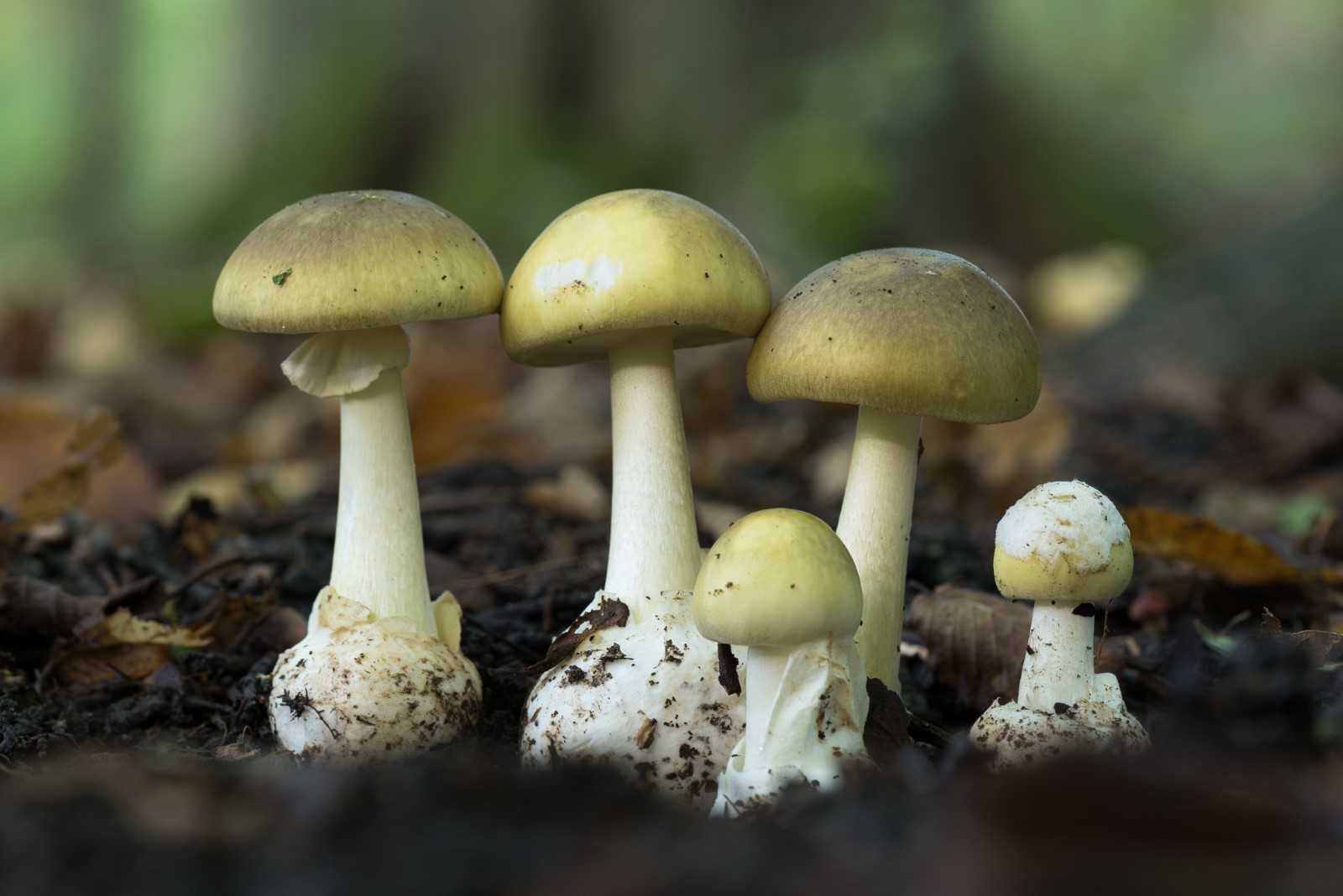
Death Cap Poisonings Surge Across California During an Exceptionally Wet Season
California officials are urging residents to avoid foraging for wild mushrooms after a surge of severe poisonings linked to the highly toxic death cap mushroom. Health authorities say that at least 21 people have suffered confirmed toxic reactions since mid-November, including one fatality and multiple cases involving life-threatening liver damage. The recent increase is being attributed to unusually wet fall and winter weather, conditions that have historically accelerated the growth of these mushrooms. Similar patterns have been documented during past rainy periods, and current climate variability may be further influencing fungal distribution across urban and suburban ecosystems. Residents looking for safety guidelines are encouraged to consult local resources such as https://www.cdph.ca.gov, which provides updated public health notices throughout the year.
The death cap, known scientifically as Amanita phalloides, is considered the world’s most dangerous mushroom. It contains toxins capable of causing catastrophic organ failure, especially in children and older adults. California specialists warn that the species is flourishing statewide, with clusters particularly concentrated in the Monterey region and the San Francisco Bay Area. Because the mushroom resembles several edible varieties, including puffballs in their early stages, the risk of accidental ingestion remains high. Environmental agencies, including https://www.nps.gov, continue to monitor fungal activity as changing weather patterns reshape habitats across the West Coast.
How Death Caps Spread and Why They Thrive Near Residential Areas
Although the species originated in Eurasia, it has expanded across multiple continents over the last century. Historical records indicate that death caps reached Central California inadvertently in the 1930s through imported European oak trees. Since then, the mushroom has colonized regions beyond forests, appearing frequently near oak, pine and other hardwoods in suburban communities. Researchers studying the phenomenon note that its adaptability allows it to grow in areas where people regularly walk, hike or garden, a factor that significantly increases exposure risk for both residents and pets. Those seeking additional ecological context can explore educational resources such as https://www.fs.fed.us, which offers information on invasive species and woodland environments.
Experts also highlight that the species’ spread is not limited to California. Over the past decade, sightings have been reported throughout the Midwest, Northeast and Mountain West, with recent documentation of specimens in Idaho. This geographic expansion has prompted scientists to examine how human-driven landscape changes and extreme weather events may contribute to the mushroom’s rapid dispersal. Local governments are encouraged to update community risk maps as they monitor the presence of toxic fungi in parks, neighborhoods and greenbelts. Travelers and outdoor enthusiasts can reference trail safety information available on https://www.recreation.gov when visiting wooded areas where misidentification could occur.
Why Death Cap Mushrooms Are So Lethal and How Poisoning Progresses
Death caps contain a potent toxin known as α-Amanitin, or AMA, a peptide resistant to heat, cold, acidity and drying. This resilience means that cooking, freezing or storing the mushroom does nothing to reduce its toxicity. Ingestion of even half of a single mushroom cap can result in fatal poisoning, with global mortality estimates reaching 50% in untreated cases. Scientists estimate that these mushrooms cause approximately 10,000 illnesses and around 100 deaths each year worldwide, though the actual number may be higher due to underreporting.
Symptoms usually appear between six and 15 hours after ingestion but can be delayed up to two days. Early signs include severe abdominal pain, persistent vomiting, watery diarrhea and extreme thirst. After this initial phase, some individuals may temporarily feel better, only to experience a sudden decline marked by profound weakness, agitation and escalating organ damage. AMA toxins attack the liver, kidneys and cardiac tissue, often causing irreversible harm. Without rapid medical intervention, coma and death can occur within four to eight days.
Treatment options remain limited. Healthcare professionals typically administer activated charcoal, high doses of penicillin, rehydration therapies and a drug called silibinin, which may help block the toxin’s absorption in liver cells. In critical cases, liver transplantation becomes the only life-saving option. Emerging studies show that an FDA-approved dye called ICG may neutralize AMA toxicity in laboratory mice, though human trials are still needed to determine safety and effectiveness.
California health officials strongly advise that residents consume only commercially sourced mushrooms and seek emergency medical care at the first sign of symptoms. Because the toxin acts quickly and often without warning, early hospitalization remains the most effective measure for preventing fatal complications.