What began as a peaceful Hanukkah celebration at Sydney’s iconic Bondi Beach rapidly descended into chaos, fear, and mass casualties, marking one of the most shocking acts of violence in recent Australian history. Families had gathered near the shoreline to mark the start of the Festival of Light, surrounded by music, food, and the warmth of community. Within minutes, the atmosphere changed irrevocably as gunfire cut through the crowd, forcing hundreds of people to flee or take cover in what had moments earlier been a place of joy.
Bondi Beach, long recognized as a symbol of openness and multicultural life in Australia, became the scene of a targeted and coordinated attack that left at least 15 people dead and dozens more injured. The incident unfolded during peak evening hours, when both locals and tourists filled the area, compounding the scale of panic and confusion. Emergency response systems were immediately activated, and the beach was locked down as authorities attempted to regain control of a rapidly deteriorating situation. Broader public safety guidance and emergency response protocols for major incidents are outlined through national frameworks available at https://www.australia.gov.au, which detail how authorities coordinate during crises of this magnitude.
Minutes of chaos that transformed a public space into a crime scene
Eyewitness accounts describe a sudden eruption of violence that left little time to react. As shots rang out, people instinctively dropped to the ground, shielding children and loved ones as bullets flew overhead. Others ran toward the sand or nearby streets, triggering traffic accidents and further injuries as vehicles collided in frantic attempts to escape the area. The soundscape of the beach shifted from festive music to screams, sirens, and chaos in a matter of seconds.
The attack unfolded across multiple locations within the Bondi area, exploiting elevation and crowd density to maximize harm. Police were confronted with an extraordinarily volatile scene, requiring immediate tactical decisions under extreme pressure. Within minutes, officers engaged the attackers, ultimately neutralizing the threat but not before extensive loss of life had occurred. The scale and speed of the response highlighted both the preparedness and the limitations of policing open public spaces. Information about law enforcement structures and counterterrorism responsibilities in New South Wales can be found through https://www.police.nsw.gov.au, which outlines operational approaches to critical incidents.
Beyond the immediate violence, the emotional trauma left behind has been profound. Survivors described scenes of people lying motionless on the grass, families separated in the confusion, and strangers desperately trying to help one another amid the danger. The psychological impact of such events often extends far beyond physical injuries, raising long-term concerns about community well-being and the safety of public gatherings.
Investigation, warning signs, and security failures under scrutiny
As investigators work to reconstruct the events leading up to the shooting, attention has turned to how the attackers were able to carry out such an assault in a country known for strict firearm regulations. Australia’s gun control framework, strengthened after the 1996 Port Arthur massacre, has significantly reduced mass shootings over the past decades. However, the Bondi Beach attack has exposed vulnerabilities related not only to firearms access but also to monitoring individuals with prior extremist associations.
Authorities are examining the attackers’ movements in the days leading up to the incident, including their temporary relocation closer to Bondi Beach and their access to multiple weapons. The presence of registered firearms and a valid recreational gun license has intensified debate over licensing oversight, storage requirements, and risk assessment processes. National discussions around gun regulation and public safety policy are frequently addressed through legislative updates and reviews published at https://www.aph.gov.au, the official site of Australia’s Parliament.
The investigation has also raised questions about intelligence-sharing and threat evaluation. While previous assessments reportedly found no immediate danger, the attack has prompted calls for more dynamic risk modeling, particularly when individuals exhibit ideological extremism combined with legal access to weapons. Security analysts argue that prevention efforts must evolve to address lone-actor or small-cell threats that operate below traditional warning thresholds.
Social impact, community resilience, and the path forward
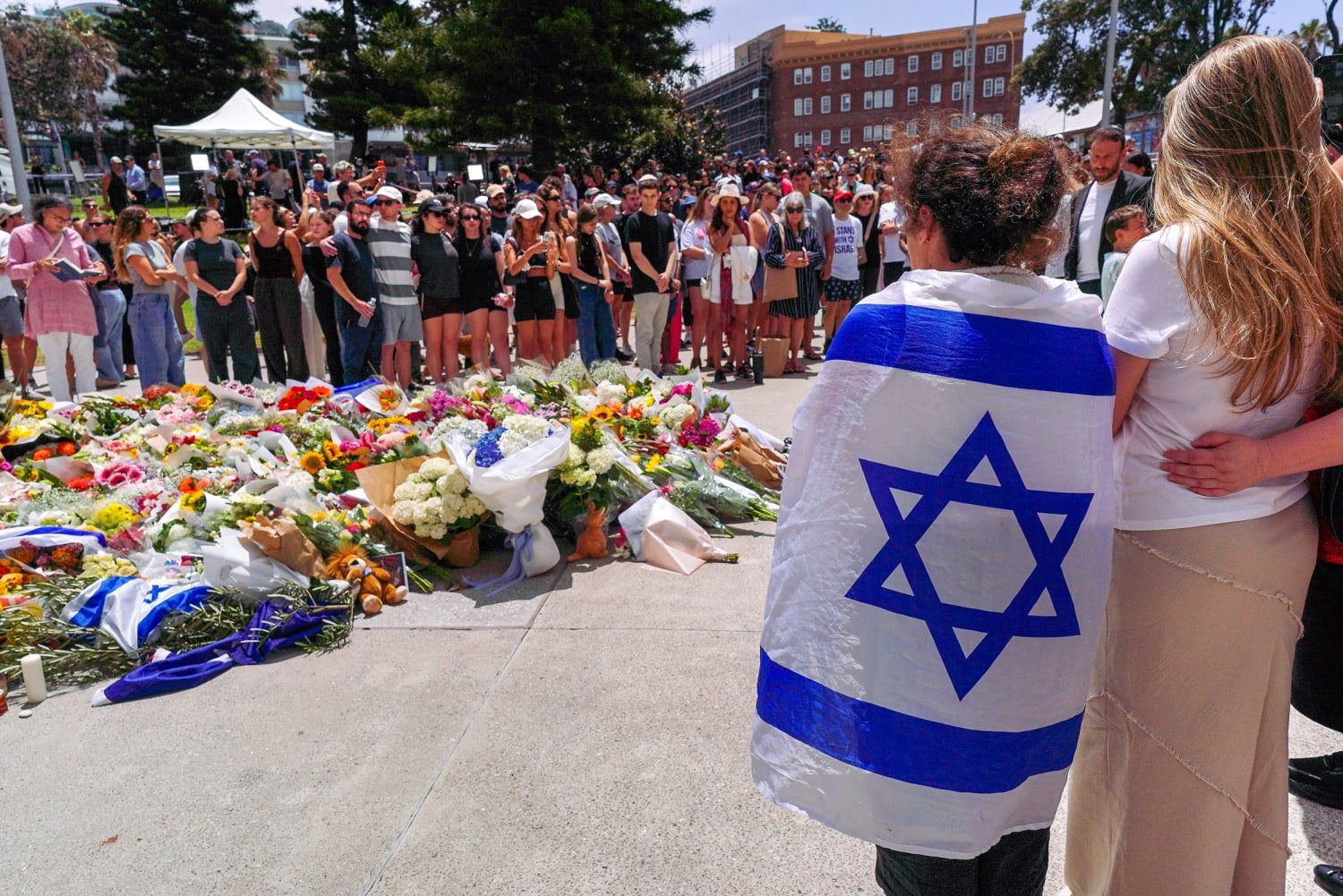
The Bondi Beach Hanukkah festival shooting has reverberated far beyond Sydney, affecting Jewish communities nationwide and prompting a broader reckoning with rising hate-driven violence. Vigils and memorials have drawn thousands, as Australians from diverse backgrounds have expressed solidarity and condemnation of antisemitism. Religious leaders, educators, and civil society groups have emphasized that protecting cultural and religious expression in public spaces is fundamental to social cohesion.
At the same time, the attack has reignited national debate over how to secure open environments without undermining the freedoms that define them. Beaches, parks, and festivals are integral to Australian life, and transforming them into heavily fortified zones carries its own social costs. Experts suggest that future strategies will need to blend visible security, intelligence-led prevention, and community engagement to reduce risk while preserving accessibility. Broader discussions on countering extremism and protecting vulnerable communities are increasingly reflected in policy resources available through https://www.homeaffairs.gov.au, which oversees national security and counterterrorism efforts.
In the aftermath of the tragedy, Bondi Beach stands as both a symbol of loss and a test of resilience. The way authorities, communities, and policymakers respond will shape public confidence for years to come. While the physical wounds may eventually heal, the challenge now lies in restoring a sense of safety and trust in public spaces that were once synonymous with celebration, openness, and shared joy.