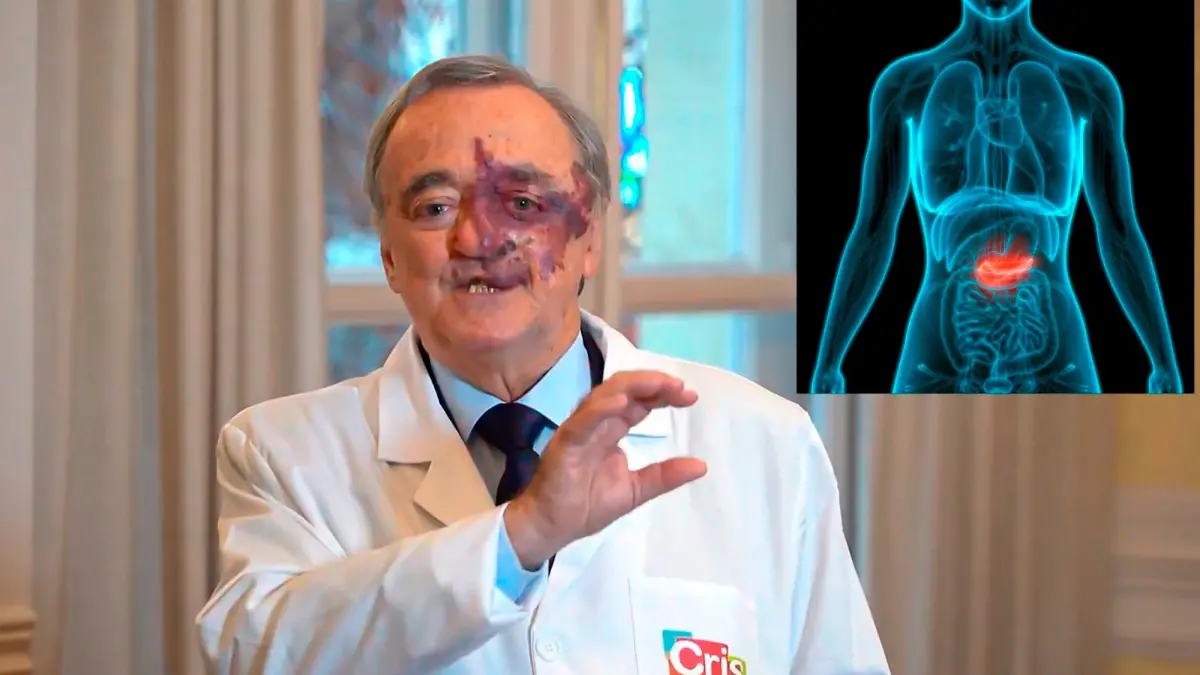
In a development that marks a before and after in the history of oncology, Dr. Mariano Barbacid and his research team have achieved the “impossible” by successfully curing pancreatic cancer in laboratory models. This milestone was made possible through the sustained financial backing of CRIS Cancer Foundation, an organization dedicated to funding innovative research that traditional systems often overlook. The study demonstrated a complete and permanent regression of pancreatic ductal adenocarcinoma—the most common and lethal form of the disease—without any adverse side effects in the subjects. For a scientific community that has spent decades searching for a crack in the armor of this specific malignancy, these results represent more than just progress; they represent a definitive proof of concept.
From Experimental Success to Human Hope
The path forward is now focused on translating these extraordinary results into a clinical setting. Pancreatic cancer is notoriously aggressive, often diagnosed in late stages when surgical intervention is no longer viable. With a global survival rate struggling to reach 8%, the urgency to move this discovery into hospitals is paramount. Researchers at the Spanish National Cancer Research Centre are now tasked with the complex duty of ensuring that the molecular strategy which worked in the lab can be safely replicated in people. This transition is the most critical phase of medical development, as it requires rigorous safety protocols and the identification of specific patient profiles who will benefit most from this targeted genetic approach.
The Mission to Secure $3.8 Million for Clinical Trials
Despite the scientific triumph, the final hurdle is financial. To move into the human testing phase, Dr. Barbacid and his team require a targeted investment of $3.8 million. These funds are essential to cover the high costs of pharmaceutical manufacturing, regulatory compliance, and the intensive monitoring required during the first phase of trials. Potential donors and supporters can contribute directly through the official project portal, where every dollar is allocated to accelerating the timeline of this research. Historically, the gap between a laboratory discovery and its application in patients—often called the “valley of death”—is where many life-saving treatments stall due to lack of capital. Dr. Barbacid’s mission is to ensure this breakthrough reaches those who need it most without further delay.
Changing the Global Prognosis of a Silent Killer
The strategy employed by the team involves a sophisticated targeting of the genetic mutations that drive tumor growth. According to the National Cancer Institute , the KRAS gene is responsible for the vast majority of pancreatic cancer cases, and it is precisely this target that Barbacid has spent a career investigating. By neutralizing the tumor’s ability to survive and repair itself, this therapy seeks to change the fundamental narrative of the disease from a terminal diagnosis to a treatable condition. The goal of the current fundraising effort is not merely to extend life by a few months, but to replicate the permanent regression seen in the lab, offering a legitimate chance at a cure for patients worldwide who currently face a dire prognosis.